Looking to join Section 8 faster? Start your application now.
📊 Cities & Areas with Relatively Shorter Section 8 Wait Times
🏆 1. Smaller Cities & Lower-Demand Areas
Smaller towns and rural counties generally have shorter waits because fewer applicants compete for vouchers.
- Midwest & Plains states often report waits of months to 1–2 years.
- Examples: rural counties in Wyoming, Nebraska, Iowa, and South Dakota typically have under 2 years.
Why this matters: Less competition and faster turnover help eligible applicants move into housing sooner.
🏙️ 2. Cities Occasionally Reporting Faster Processing
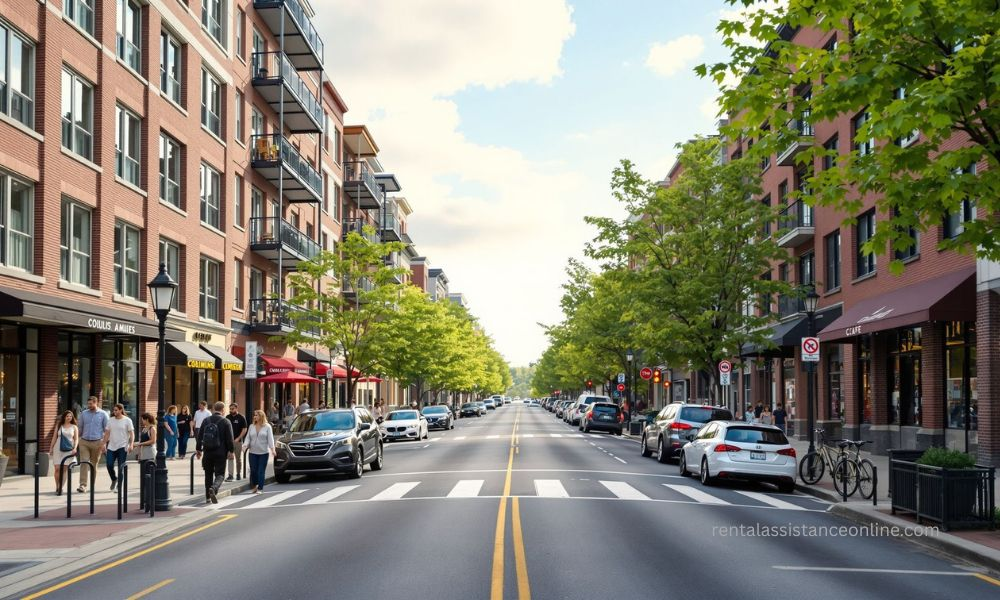
Some mid-sized metros or smaller urban areas show better-than-average timelines compared with major cities:
| City | Typical Wait | Notes |
|---|---|---|
| Columbus, OH | ~8 months | Lower demand than bigger metros; wait varies by bedroom size. |
| Dallas, TX | ~8 months | Certain periods report faster openings; lists fluctuate. |
| Buffalo, NY | 1–2 years | Shorter than NYC, especially for smaller units. |
| Des Moines, IA | 12–18 months | Demand increased recently, but still faster than in larger metros. |
⚠️ Keep in mind: timelines vary based on priority status, unit size, or applicant preferences.
🧑🌾 3. State-Level Trends
States with historically shorter Section 8 waits often include less-populated or rural states:
| State | Typical Wait (Est.) | Source |
|---|---|---|
| North Dakota | ~6 months | [Section 8 Training] |
| Wyoming | ~7–8 months | [Grants for Seniors] |
| Nebraska | ~8–9 months | [Grants for Seniors] |
| South Dakota | ~9 months | [Section 8 Training] |
| Kansas | ~9 months | [Section 8 Training] |
🏙️ Major Metros & High-Demand Areas — Longer Waits

- New York City & Los Angeles: 4–8+ years historically
- Chicago: 5–7 years typical
- Philadelphia, Seattle, Phoenix: Multi-year waits
Heavy competition, high demand, and limited voucher availability contribute to these timelines. For comparison.
📌 Tips for a Shorter Wait
- Apply to multiple PHAs (Public Housing Authorities): Smaller jurisdictions often move applicants faster.
- Monitor open lists: They open unpredictably and may close quickly; apply immediately.
- Consider smaller counties near major cities: Often shorter backlogs and less competition.
- Check for local preferences: Priority status (homelessness, veteran, disability) can reduce effective wait times.
🗓️ Key Takeaways for 2026
- Shortest waits: Smaller cities & rural areas in ND, WY, NE, SD — often under 1 year.
- Moderate waits: Mid-sized cities like Columbus, OH, and Dallas, TX — roughly 8–12 months.
- Longest waits: Major metros like NYC, LA, and Chicago — multi-year waits, often 4–8+ years.
Start your Section 8 application strategically to reduce wait times.