Home Blog Page 8

New Law Forces Landlords to Accept Tenants with Housing Assistance: A Game Changer for Renters!

0

Understanding the New Legislation

This groundbreaking law mandates that landlords cannot discriminate against potential tenants based on their reliance on housing assistance vouchers. This promotes fair housing practices and aims to address income inequality in the housing market.

  • Equal Opportunities: Housing voucher recipients now have a level playing field, reducing discrimination based on financial status.
  • Diverse Communities: Encourages a mix of housing types and income levels, leading to more integrated and culturally rich communities.
  • Economic Benefits: Stable housing reduces turnover rates, potentially benefiting landlords economically with lower vacancy rates.

The Impact on Tenants and Landlords

Benefits for Renters

The law significantly benefits renters, particularly those from marginalized communities, by providing greater access to stable housing and financial relief.

  1. Broader Options: Renters with vouchers now have access to a wider range of apartments and neighborhoods.
  2. Financial Security: Reduced rent burdens allow tenants to stabilize their finances and lower eviction risks.
  3. Improved Living Standards: More housing options enable families to move to neighborhoods with better schools and facilities.

Challenges for Landlords

While beneficial for renters, landlords face unique challenges under the new law. Overcoming these hurdles is essential for smooth implementation.

  • Adjustment Period: Landlords must learn the voucher system and manage associated paperwork.
  • Perception Shift: Education is required to overcome stereotypes about voucher holders and foster trust.
  • Requirement Compliance: Housing must meet government standards, which may require initial investments but add long-term property value.

Quotable Insights from Experts

“Adopting inclusive housing policies is not just a moral imperative but also an economic necessity.”

— Susan Richards, Director of Housing Policy at National Housing Alliance

Statistical Analysis of Housing Affordability

The table below highlights key housing affordability metrics and the potential impact of this legislation:

Metric Current Value Target Value
Unaffordable Rental Rate 40% 20%
Voucher Acceptance Rate 30% 80%
Homelessness Rate 0.17% 0.10%

Next Steps for Renters and Landlords

For Renters

  • Confirm eligibility and gather the required documents.
  • Reach out to local housing authorities for guidance on available housing options.

For Landlords

  • Learn the voucher procedures and legal requirements.
  • Attend informational sessions or consult with professionals to understand your obligations.

Conclusion

This new law reshapes rental market dynamics by eliminating economic discrimination and promoting inclusivity. Both renters and landlords stand to benefit from its proper implementation, creating a more equitable housing landscape.

Recommendation: Add infographics illustrating housing assistance processes and landlord benefits under the new law to enhance understanding.

Stay Informed and Take Action!

Understanding the impacts of housing legislation is crucial. Stay informed and take deliberate steps toward equal housing opportunities.

Learn More


Resources for Rental Assistance in Ocala and Marion County, FL

0

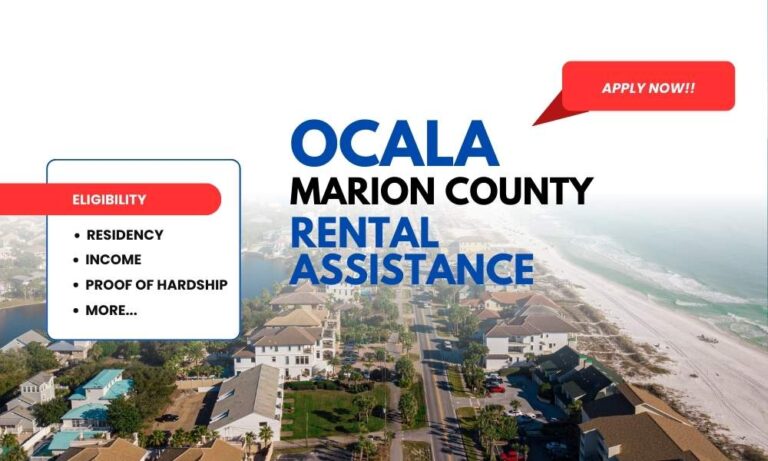
If you’re struggling to pay rent in Ocala and Marion County, Florida, several organizations offer programs to provide financial assistance. Below, we’ve outlined the key resources to help you navigate the options available for rent support:

1. Central Florida Community Action Agency

The Central Florida Community Action Agency provides emergency rent assistance and referrals to additional housing programs. They aim to prevent homelessness by addressing immediate financial needs.

  • Contact: (352) 732-3008
  • Services Offered: Emergency rent assistance, housing referrals

2. Marion County Community Services

Marion County Community Services focuses on housing development services and offers various programs to assist with rental needs.

  • Contact: (352) 671-8770
  • Services Offered: Rental assistance programs, housing development services
  • Eligibility: Varies based on the specific program. Contact them for more details.

3. Ocala Housing Authority

The Ocala Housing Authority manages the Housing Choice Voucher Program (Section 8), which helps low-income families afford rent. The program allows participants to pay 30-40% of their adjusted gross income towards rent, with subsidies covering the remainder.

  • Contact: Visit their official website or call their office for program details.
  • Services Offered: Rent subsidies for low-income families through Section 8
  • Eligibility: Based on income and household size

4. Project Hope

Project Hope provides transitional housing and essential support services for homeless families in Marion County. This program helps families get back on their feet and work towards permanent housing.

  • Contact: Reach out to their office for application details.
  • Services Offered: Transitional housing, supportive services
  • Eligibility: Homeless families

5. Marion County Homeless Council

The Marion County Homeless Council administers federal programs such as Homeless Prevention and Rapid Rehousing, offering a comprehensive range of services, including:

  • Rent assistance
  • Utility help
  • Security deposit funds

Eligibility: Low-income individuals and families at risk of homelessness.

6. United Way of Marion County

United Way offers a COVID Assistance Program, which provides up to 12 months of back rent and utility assistance to eligible applicants. This program has been instrumental in preventing evictions during financial hardships caused by the pandemic.

  • Contact: Visit their website for application details.
  • Services Offered: Back rent and utility support
  • Eligibility: Proof of financial hardship and other qualifications

7. Catholic Charities of Central Florida and St. Mark’s SVDP

Catholic Charities of Central Florida and St. Mark’s SVDP provide housing grants on a case-by-case basis. Grants may cover:

  • Rent assistance
  • Utility support

Contact: Reach out directly for specific program availability and requirements.

How to Apply

To access rental assistance, directly contact the organizations listed above. You can also reach out to Marion County Community Services at (352) 671-8770 for personalized guidance on available programs and eligibility criteria.

FAQs

How can I apply for rental assistance in Ocala and Marion Counties, Florida?

To apply for rental assistance in Ocala and Marion Counties, contact local organizations like the Central Florida Community Action Agency and Marion County Community Services. They offer various programs and can guide you through the application process.

What programs are available for rental assistance in Ocala and Marion Counties?

Residents can access several programs, including the Housing Choice Voucher Program managed by the Ocala Housing Authority and transitional housing support from Project Hope. These programs provide financial assistance and help low-income families stabilize their housing situation.

Am I eligible for rental assistance in Ocala and Marion Counties, Florida?

Eligibility for rental assistance varies by program, typically considering factors like income and family size. Contact organizations such as the Marion County Homeless Council for specific eligibility criteria tailored to your needs.

What documents do I need to apply for rental assistance in Ocala and Marion Counties?

When applying for assistance, have essential documents ready, including proof of income, rental agreements, and identification. These documents are crucial for verifying your eligibility and expediting the application process.

Can I get help with back rent and utilities in Ocala and Marion Counties, Florida?

Yes, organizations like United Way of Marion County offer programs to assist with back rent and utility payments, especially for those impacted by COVID-19. These programs aim to alleviate financial burdens and prevent evictions.

Who should I contact for emergency rental assistance in Ocala and Marion Counties?

For immediate rental assistance, reach out to the Central Florida Community Action Agency or the Marion County Community Services. They can provide urgent support and referrals to other helpful resources.

What support services are available for homeless families in Marion County?

Project Hope offers transitional housing and essential support services to help homeless families in Marion County move toward permanent housing. Contact their office directly for application details and eligibility.

Final Thoughts

Navigating rental assistance programs can feel overwhelming, but help is available. Be sure to have essential documents ready, such as proof of income, rental agreements, and identification, when contacting these organizations. With the right support, you can find the assistance you need to stabilize your housing situation.

If you have further questions, don’t hesitate to reach out to any of the organizations listed for more information or guidance.


Top 5 Warning Signs of a Section 8 Scam

0

When it comes to Section 8 housing, remember:If it sounds too good to be true, it probably is.” Recognizing the top warning signs of a Section 8 scam can protect you from falling victim to fraud. Below, we discuss the most common red flags and how to safeguard yourself when seeking affordable housing.

1. Unusual Payment Requests

Be wary if a landlord or agent requests payment through unconventional methods like gift cards, wire transfers, or cryptocurrency. Scammers prefer these options because they are difficult to trace and allow them to disappear with your money quickly.

What to Do: Legitimate Section 8 programs typically use standard payment methods, such as checks or direct deposits. Avoid transactions involving unconventional payment methods, and always confirm details with the housing authority.

2. Pressure to Act Quickly

Scammers often create a sense of urgency to manipulate potential tenants into making impulsive decisions. They might claim there are limited vouchers or that you must act immediately to secure a desirable property.

What to Do: Legitimate Section 8 processes take time. Review all documentation carefully and consult with housing officials before committing. Avoid making decisions based on pressure tactics, and always verify the offer’s authenticity.

3. Lack of Proper Documentation

A legitimate Section 8 rental requires clear documentation, including a valid Housing Assistance Payment (HAP) contract and a lease agreement outlining all terms. If a landlord or agent cannot provide these documents, it’s a red flag.

What to Do: Request official paperwork and verify its authenticity with the local Public Housing Agency (PHA). Avoid proceeding without proper documentation, as it could leave you vulnerable to fraud.

4. Substandard Living Conditions

Some scammers exploit tenants by offering unsafe or unhealthy housing conditions. Look out for signs such as broken appliances, mold, pest infestations, water leaks, or insufficient heating and cooling systems.

What to Do: Document all communication about maintenance issues and report any concerns to the appropriate housing authorities. You have a right to habitable living conditions, even under subsidized housing programs.

5. Inconsistent Information

If the landlord provides conflicting details about rent, lease terms, or other conditions, this could indicate a scam. Scammers may deliberately confuse tenants to take advantage of them.

What to Do: Document all communication and agreements. Confirm all details with the landlord and verify their accuracy with the housing authority. Inconsistencies should be a warning to proceed cautiously.

Frequently Asked Questions

How Can I Verify the Legitimacy of a Section 8 Housing Opportunity?

Contact your local housing authority to confirm any details. Avoid transactions if the payment request seems suspicious or unconventional.

What Steps Should I Take if Pressured to Act Quickly?

Pause and verify the opportunity with housing officials. Don’t rush into decisions, and ensure all documentation is authentic.

Are There Resources to Help Obtain Proper Documentation?

Yes, local housing authorities, community organizations, and online resources can guide you in obtaining proper paperwork for Section 8 rentals.

How Can I Report Substandard Living Conditions?

Contact your local housing authority or HUD to file a complaint. Ensure all issues are documented for evidence.

What Should I Do if I Find Inconsistent Information?

Verify details directly with the landlord or housing authority. Clarify any discrepancies before proceeding.

Conclusion

Protecting yourself from Section 8 scams starts with awareness. By recognizing unusual payment requests, avoiding rushed decisions, ensuring proper documentation, demanding safe living conditions, and questioning inconsistent information, you can safeguard your housing search.

Stay vigilant, informed, and proactive to avoid becoming a victim of fraud.

Stay Vigilant When Looking for Section 8 Housing

Looking for affordable housing? Contact your local housing authority for guidance and resources.

Important Links

Better Business Bureau
Federal Trade Commission
Housing and Urban Development
Consumer Financial Protection Bureau

Maximize Your Hotel Voucher: Tips for the Ultimate Luxury Stay

0

A hotel voucher can be your golden ticket to a memorable getaway. Whether you’re planning a quick weekend escape, securing transitional housing, or hunting for a cost-effective way to travel, understanding how hotel vouchers work is essential. This comprehensive article explores every facet of hotel vouchers—from their historical origins to emerging trends shaping their future—arming you with the insights needed to make the most of them.


Understanding Hotel Vouchers

To fully grasp the benefits and utility of hotel vouchers, one must first understand their nature, the different types available, and how they fit into modern travel ecosystems.

What is a Hotel Voucher?

A hotel voucher is a prepaid certificate that entitles the bearer to a specific value or service at a hotel. These vouchers function as a form of alternative payment or booking confirmation and are widely used across the tourism and hospitality industries.

They are particularly beneficial for:

  • Travel planning: They simplify the booking process and reduce out-of-pocket costs at check-in.

  • Corporate or government programs: Vouchers are often used to assist individuals in need of temporary housing or to facilitate business travel logistics.

  • Gifting and promotions: Many travel platforms and hotel brands use vouchers as part of promotional campaigns or seasonal offers.


History of Hotel Vouchers

Happy lady checking into a hotel

The concept of hotel vouchers dates back several decades, originating in the pre-digital era as physical coupons issued by travel agencies. These early vouchers were primarily used to manage group travel logistics and ensure prepaid services.

Key Historical Milestones


Time Period Development
1950s–1970s Travel agencies issue paper vouchers for tour packages.
1980s–1990s Airlines and rail services adopt voucher systems for delayed or canceled trips.
2000s Rise of e-vouchers with online booking platforms.
2010s–2020s Integration with mobile apps, QR codes, and loyalty ecosystems.

The evolution of hotel vouchers reflects broader changes in travel technology, customer expectations, and personalization.


Types of Hotel Vouchers

Hotel vouchers come in a variety of forms tailored to different needs. Understanding these types helps travelers choose the right one for their journey.

Each type serves a specific purpose and can unlock unique perks:

  • Prepaid Vouchers for Specific Hotels
    These are often issued for particular hotel properties or chains. They usually cover a full stay or certain amenities (e.g., meals, spa credits). Perfect for gift cards, corporate bookings, or prearranged vacation packages.

  • Discount Vouchers Applicable to Multiple Chains
    These vouchers offer a fixed percentage or monetary discount and are accepted across a network of partnered hotels. Travel platforms like Expedia and Booking.com frequently distribute these as part of promotional campaigns.

  • Loyalty Program Vouchers
    Earned through frequent stays or points accumulation, these vouchers incentivize brand loyalty. Marriott Bonvoy, Hilton Honors, and IHG One Rewards are well-known examples where members receive vouchers for free nights or upgrades.


Benefits of Using Hotel Vouchers

Hotel vouchers offer several advantages that can significantly enhance your travel experience—financially, logistically, and experientially.

Why Travelers Use Hotel Vouchers

  • Cost Savings
    Vouchers often include discounts or promotions that reduce the total cost of accommodation. This is especially useful during peak travel seasons when hotel rates surge.

  • Flexibility in Booking
    Many vouchers allow changes in dates without hefty penalties. This adaptability is invaluable in unpredictable times or for travelers with fluid schedules.

  • Access to Exclusive Deals
    Vouchers sometimes unlock value-added benefits like late check-outs, free breakfast, or spa access—features not always available through standard bookings.


How to Obtain Hotel Vouchers

Acquiring a hotel voucher is easier than ever, thanks to a variety of online and offline channels catering to both casual and business travelers.

Where to Get Hotel Vouchers

  • Through Travel Agencies
    Traditional travel agents often include vouchers as part of bundled travel deals. These are ideal for group bookings or travel packages to destinations like Europe or Southeast Asia.

  • Online Platforms
    Websites such as Hotwire, Agoda, and Groupon Getaways regularly offer hotel vouchers with major discounts, often as part of flash deals or seasonal campaigns.

  • Hotel Loyalty Programs
    Major hotel brands incentivize repeat stays by offering vouchers to loyal customers. These can be redeemed for free nights, upgrades, or exclusive member rates.

  • Government or Nonprofit Assistance Programs
    Vouchers are also issued as part of transitional housing initiatives by municipalities or NGOs, especially during emergencies or homelessness prevention efforts.


How to Use Hotel Vouchers

Proper usage is key to maximizing the value of your voucher and avoiding last-minute hiccups.

Steps to Redeem a Hotel Voucher

  1. Booking a Room
    Enter the voucher code at checkout on the hotel’s website or the booking platform. Ensure the terms match the selected room type and stay dates.

  2. Redeeming at Check-In
    Present the digital or physical voucher during check-in. Most hotels require an ID match with the voucher holder’s name.

  3. Reviewing Terms and Conditions
    Pay attention to blackout dates, refund policies, and service limitations. Some vouchers may be valid only on weekdays or for standard rooms.


Top Destinations for Hotel Vouchers

Hotel vouchers unlock opportunities to explore new places or return to your favorite destinations, often at a fraction of the cost.

Popular Global Destinations

These cities consistently appear on voucher platforms due to their high hotel availability and international appeal:

  • New York City, USA

  • Paris, France

  • Tokyo, Japan

  • Dubai, UAE

  • Bangkok, Thailand

Off-the-Beaten-Path Alternatives

Looking to avoid the crowds or find better deals? Consider these emerging destinations:

  • Lisbon, Portugal

  • Hoi An, Vietnam

  • Cartagena, Colombia

  • Tallinn, Estonia

  • Bansko, Bulgaria

These locations offer rich culture, great hospitality, and excellent value—especially when paired with vouchers.


Tips for Maximizing Hotel Voucher Value

Here are smart strategies to stretch every dollar from your hotel voucher and ensure a premium experience:

  • Combine with Other Discounts
    Pair your voucher with promo codes, credit card offers, or airline miles. Sites like Cashback Monitor track which booking platforms offer the best cashback deals.

  • Book Early for the Best Rooms
    The earlier you book, the better your options. Many hotels release a limited number of voucher-eligible rooms.

  • Avoid Peak Travel Seasons
    Use vouchers during shoulder seasons (spring or fall) when demand is lower, rates are better, and properties are less crowded.


Frequently Asked Questions About Hotel Vouchers

Can Vouchers Expire?

Yes, most vouchers have an expiration date—usually 6 to 12 months after issuance. Always double-check this before planning.

Are Vouchers Transferable?

Some vouchers are transferable, especially those given as gifts. However, loyalty-based or personalized vouchers often are not.

What Happens if a Voucher is Lost?

If a digital voucher is lost, you can typically retrieve it via your email or booking platform account. Physical vouchers may require you to contact the issuer directly.


Future Trends in Hotel Vouchers

As the travel industry evolves, hotel vouchers are becoming smarter, more digital, and more personalized.

What’s Next?

  • Digital Integration
    Vouchers are now seamlessly integrated into mobile apps and digital wallets, eliminating the need for paper and improving security.

  • Sustainability Initiatives
    Hotels are aligning voucher programs with green efforts. For example, some offer additional perks to guests who opt out of daily housekeeping or arrive using eco-friendly transportation.

  • Personalized Rewards
    With AI and big data, vouchers may soon be tailored to your preferences—offering custom recommendations and geo-targeted deals.

🔗 For deeper insights on how hotel vouchers are transforming hospitality, check out Skift’s travel industry reports.


Next Steps: Making the Most of Hotel Vouchers

Before you plan your next trip, follow these actionable tips to leverage your hotel voucher for maximum benefit:

  1. Compare Multiple Voucher Sources – Check travel sites, hotel chains, and loyalty apps for competing offers.

  2. Read the Fine Print Carefully – Avoid surprises by confirming blackout dates, restrictions, and redemption methods.

  3. Sign Up for Loyalty Programs – These often provide early access to voucher deals and free perks.

  4. Bundle Bookings Smartly – Combine hotel vouchers with flights, excursions, or travel insurance for all-in-one savings.

  5. Track Expiration Dates – Use a calendar reminder so your voucher doesn’t go to waste.

St. Louis Emergency Rental Assistance Program (ERAP): How to Apply Before the Deadline

0

Need Help Paying Rent in St. Louis?

The City of St. Louis has launched a $3.3 million rental assistance program to help residents avoid eviction. Eligible renters can receive up to six months of rent paid, but the application window runs from December 3 through December 16, and funds are awarded on a first-come, first-served basis.

Apply Through the FORWARD Portal

City neighborhood park representing housing stability
The ERAP program is designed to help St. Louis families remain safely housed during financial hardship.
Rental assistance application steps overview
Step-by-step process: confirm eligibility → gather documents → apply early → follow up.
Rental assistance deadline reminder
Important: The application window closes December 16. Funding is limited.

Introduction

With housing costs climbing and wages often lagging, thousands of St. Louis residents are behind on rent. In response, the city created an Emergency Rental Assistance Program (ERAP) to stabilize housing for renters at risk of eviction. This limited-time program offers up to six months of rent coverage.

Quick Eligibility Snapshot:

  • Must currently live in the rental unit
  • Must be behind on rent or at risk of eviction
  • Landlord must agree to participate
  • Income must meet Area Median Income (AMI) limits

Emergency Rental Assistance Programs

  • Landlord Cooperation Required: Your landlord must participate.
  • Covers Rent Only: Utilities and moving expenses are not covered.
  • Must Still Live in Unit: Not available for already-evicted tenants.
  • Apply Online: Submit via the FORWARD Platform between December 3–16.

Need utility help? Contact Heat Up St. Louis or Community Action agencies.


City of St. Louis Programs

  • Eligibility: All adults on lease must qualify.
  • Multilingual Access: Portal available in 68 languages.
  • Rent Only: Separate applications required for utility aid.

St. Louis County Programs

  • Timeline: December 3–16.
  • Fees Included: Covers arrears and late fees (not utilities).
  • Landlord Required: Participation mandatory.

Missouri Housing Development Commission (MHDC)

Statewide housing assistance is coordinated through
MHDC.

  • Emergency Solutions Grant (ESG) funding
  • Housing stabilization services
  • Mental health and housing partnerships

Resources Beyond Rental Assistance

Legal Support

Food Assistance


St. Patrick Center’s Housing First Initiative

St. Patrick Center
offers wraparound housing and employment support services.

  • Behavioral health services
  • Job readiness and placement
  • In-person intake required

Eviction Protections & Program Details

  • Up to 18 months total rent coverage (within FMR limits)
  • Priority for households under 80% AMI
  • Funded via federal grants and CARES Act support

What’s Next?

  1. Apply early through the FORWARD portal starting December 3.
  2. Check your income against AMI limits.
  3. Gather lease, ID, income documents.
  4. Confirm landlord participation.
  5. Seek utility aid if needed.
  6. Reach out to housing or legal support if at risk of eviction.

Final Reminder

Funding is limited, and applications are processed in the order received. If you are behind on rent in St. Louis, apply as soon as possible.

Start Your Application Now

How Direct Rental Assistance is Transforming the Housing Voucher System

0

Welcome to the exciting world of housing assistance! Whether you’re new to this topic or just need a refresher, you’re in the right place. Today, we’ll explore how direct rental assistance is shaking up the traditional housing voucher system. Whether you’re a tenant, landlord, or just someone interested in housing policy, this conversation is for you.

Rethinking Housing Vouchers

The housing voucher system, primarily known through programs like the Section 8 Housing Choice Voucher Program, has served millions of Americans over the years. It gives families the power to choose where they want to live rather than being restricted to public housing. However, despite its successes, there’s always room for improvement.

The Need for Change

The existing system, while beneficial, has faced several challenges:

  • Inaccessibility: Long waiting lists and complicated procedures often deter potential beneficiaries.
  • Landlord Hesitance: Many landlords are wary of participating due to perceived bureaucratic red tape.
  • Inefficiency: Delays in payment processing often affect tenants and landlords alike.

This is where direct rental assistance comes in. By directly addressing some of these issues, it’s not just a tweak to an old system but a potential game-changer.

Direct Rental Assistance: A Breath of Fresh Air

Direct rental assistance aims to simplify and streamline the rental aid process. Here’s how it’s redefining the landscape:

Simplified Processes

Direct rental assistance makes it easier for families to access help by reducing bureaucratic hurdles. According to the National Low Income Housing Coalition, simplifying these processes means more people can quickly get the aid they need, transforming how quickly and effectively housing support is delivered.

Building Bridges with Landlords

One admirable goal of direct rental assistance is to foster better relationships with landlords. By ensuring that payments are made on time and minimizing paperwork, landlords are more likely to participate in these programs. This cooperation can result in more housing options for tenants and less financial risk for property owners.

Timely Assistance

When payments are processed faster, tenants can enjoy more stable housing. Direct rental assistance prioritizes efficiency, which benefits everyone involved. Tenants can avoid late fees, landlords receive payments punctually, and the overall experience is less stressful.

Real-World Impacts

Now, you might be wondering, “What does this mean for me or someone I know?” Let’s break it down:

For Tenants

  • Faster Access to Funds: Direct assistance ensures that you can get help when you need it, reducing the risk of housing instability.
  • Diverse Housing Options: With more landlords participating, you have a broader selection of homes to choose from.

For Landlords

  • Guaranteed Payments: No more worrying about delayed vouchers. Direct assistance means you’re paid directly and on time.
  • Less Paperwork: A streamlined system reduces administrative burdens, making participation more attractive and feasible.

This shift towards a more direct approach offers practical benefits and aligns with the overarching goal of fair and accessible housing for all.

Looking Ahead: The Future of Housing Assistance

It’s an exciting time to be involved in or learn about housing policy. The transition to direct rental assistance reflects a broader trend of making aid more accessible and efficient. With ongoing advancements, there’s hope that the housing market will become more inclusive and responsive to the needs of its most vulnerable members.

We hope this article has demystified direct rental assistance and its potential to make a real difference in people’s lives. Whether you’re a tenant looking for stability or a landlord seeking reliable tenants, this evolution in the housing voucher system offers promising possibilities for all involved.

Thank you for joining this conversation on transforming the housing landscape. Feel free to reach out with any questions or share your experiences. Together, we can continue to advocate for a brighter, more equitable future in housing.

Unlock Affordable Housing Opportunities Today!

Learn how Section 8 HUD Housing Vouchers can help you find safe, affordable housing for you and your family. Take the first step towards a brighter future!

Learn More

Rental Assistance Program Unravels: Company Ordered to Pay Up After Major Investigation Shocker

0

Hey there! Today, I want to discuss a pretty surprising turn of events at a company involved with rental assistance programs. A major investigation has revealed some shocking details, and the company in question has been ordered to make reparations. Let’s dive into what happened and what it means for renters like you and me.

What Happened?

Recently, a major investigation uncovered some unsavory activities within a company that was supposed to help people find rental assistance. The company’s conduct didn’t just raise eyebrows; it also led to a court order demanding they pay up for their wrongdoings.

This company was under scrutiny because of widespread complaints about mismanagement and suspected fraud. Ultimately, the investigation proved that these suspicions were, unfortunately, accurate. The charges against the company ranged from misappropriation of funds to not fulfilling commitments to clients.

Implications for Renters

The first question that probably comes to mind is: What does this mean for renters who depend on this program? Well, the consequences can vary, but they certainly affect people who are counting on the assistance. Let’s break it down:

Disrupted Assistance

  • Some renters may face delays in getting the help they need.
  • There could be a reassessment of the application process, which might complicate matters in the short term.

Lack of Trust

  • This incident might make renters wary of other assistance programs.
  • It highlights the need for transparency and accountability in rental assistance initiatives.

Legal Repercussions

  • Those directly affected might be eligible for compensation depending on their involvement.
  • The case sets a precedent for future accountability in housing aid programs.

What Can Renters Do Now?

If you find yourself in a similar predicament or want to be proactive, here are some steps you can take:

Verify Assistance Programs

Before enrolling in any rental assistance program, do some homework to ensure its legitimacy. Look for reviews, check with local housing authorities, and, if possible, get a second opinion from someone who has used the service.

Stay Informed

To stay current with the latest news about rental assistance programs, subscribe to local housing authority newsletters or join community forums where these issues are discussed.

Contact Local Authorities

If you’re currently affected by this issue, reach out to your local housing authority for guidance and support. They can provide information on alternative programs and how you might receive assistance in the interim.

Learning from the Incident

This situation is undoubtedly a wake-up call for everyone involved in the housing sector—tenants, companies, and officials alike. We must understand these programs are lifelines for many, and ensuring their integrity is vital.

For Companies

It’s a reminder of the importance of transparency and accountability. Companies should always uphold ethical practices, as misuse of power or mismanagement can lead to severe legal consequences and damage to reputation.

For Tenants

Stay vigilant and aware of where your rental assistance is coming from. Engaging with reliable sources and maintaining skepticism about too-good-to-be-true offers will help protect you.

For Regulators

This case calls for more stringent monitoring of assistance programs to prevent similar issues in the future.

Final Thoughts

While this news is certainly a setback, it’s also an opportunity to improve our systems and processes, ensuring that rental assistance programs genuinely serve the people who need them the most. By staying informed and proactive, we can help mend the trust that has been broken and build a stronger, more reliable framework for the future.

If you’d like to explore similar topics further, consider visiting the U.S. Department of Housing and Urban Development (HUD) website. It offers a wealth of information on housing assistance programs, their updates, and how they work.

Feel free to reach out if you have any questions or need further insights into rental assistance programs and how to navigate the current situation. I’m here to help!

Washington State’s Groundbreaking Plan to Revolutionize Homelessness Through Permanent Supportive Housing

0

Introduction to Washington State’s Bold Initiative

Imagine a community where everyone has a home, where homelessness is a dilemma of the past. Washington State is embarking on an ambitious and, quite frankly, revolutionary plan to tackle the issue of homelessness by implementing a concept known as Permanent Supportive Housing (PSH). This initiative not only aims to provide a roof over people’s heads but also to integrate essential support services to help stabilize their lives.

Understanding Permanent Supportive Housing

Understanding Permanent Supportive Housing

What is Permanent Supportive Housing?

Permanent Supportive Housing is a comprehensive approach combining affordable housing with on-site supportive services. This model is designed specifically for individuals experiencing long-term homelessness and those with disabilities or other serious challenges. The idea is to provide stability and support, allowing people to rebuild their lives at their own pace.

Core Components of the PSH Model

Why Washington State’s Plan is a Game-Changer

Washington State’s strategy is transformative because it seeks to address the root causes of homelessness rather than simply managing its symptoms. Here’s how:

A Community-Centric Approach

A Community-Centric Approach

The state’s initiative emphasizes a community-centric model that revolves around compassion and understanding. This approach acknowledges the unique circumstances and challenges faced by each individual, fostering a supportive environment that promotes self-sufficiency.

Strategic Partnerships

Collaboration is a key component of this plan. Washington State is partnering with local governments, non-profit organizations, healthcare providers, and other community-based organizations. This multi-level cooperation ensures a seamless and efficient delivery of housing and services to those in need.

The Impact of Permanent Supportive Housing

The potential impact of this initiative is monumental. Successful PSH programs in other areas have demonstrated significant improvements in participants’ well-being and life stability.

Ending the Cycle of Homelessness

By providing both housing and support services, PSH addresses the underlying issues that contribute to homelessness. This dual approach helps to break the cycle, offering individuals a real opportunity to improve their life circumstances.

Benefits to the Community

Benefits to the Community

The benefits are not limited to the individuals directly involved. Communities as a whole see reduced costs in public services such as law enforcement and emergency healthcare, which are often strained by homelessness-related needs. Additionally, neighborhoods become safer and more vibrant as people transition into permanent homes.

Stories of Hope

While statistics and strategies are important, it’s the stories of real people that truly showcase the success of PSH. Individuals who once faced insurmountable challenges are now building new lives filled with purpose and stability. These success stories not only inspire but also highlight the potential of Washington State’s plan to make a tangible difference.

The Path Forward

Ongoing Commitment and Adaptation

Adopting an effective approach to homelessness requires ongoing commitment. As Washington State moves forward with its PSH initiative, continuous evaluation and adaptation of strategies will be crucial. Learning from challenges and successes will ensure the program’s effectiveness and sustainability in the long run.

Community Involvement and Support

For this initiative to reach its full potential, community support is essential. Awareness, advocacy, and volunteer opportunities enable individuals and groups to contribute to positive outcomes. Together, we can work towards a future where homelessness is no longer an insurmountable issue.

Conclusion

Washington State’s groundbreaking plan to revolutionize homelessness through Permanent Supportive Housing is a beacon of hope and innovation. By addressing both housing needs and the underlying causes of homelessness, the state is paving the way for a transformative and lasting solution. This initiative is not just about ending homelessness; it’s about fostering a community where everyone has the opportunity to thrive

Washington’s Visionary Plan for Permanent Supportive Housing

Washington State is setting a new standard in combating homelessness with its innovative approach to Permanent Supportive Housing. Learn more about this groundbreaking plan to provide stability and transformative support for those in need.

Explore the Plan

Washington’s Groundbreaking Apple Health and Homes Initiative: Revolutionizing Statewide Health and Housing Solutions

0

Washington’s Groundbreaking Apple Health and Homes Initiative: Revolutionizing Statewide Health and Housing Solutions

Imagine you’re having a conversation with a trusted friend or colleague. They’ve just mentioned a major new initiative in Washington that’s changing the landscape of both health and housing simultaneously. You’d want an explanation that’s easy to digest and engages your interest, right? That’s precisely how I’ll break down the Apple Health and Homes Initiative for you.

What Is the Apple Health and Homes Initiative?

What Is the Apple Health and Homes Initiative

The Apple Health and Homes Initiative represents a forward-thinking effort by the state of Washington to bridge gaps between healthcare and housing for its residents. This innovative program aims to ensure that individuals not only have access to healthcare services but also have stable housing — two essential pillars for a healthy life.

The Vision Behind the Initiative

The initiative operates on a key insight: health and housing are deeply intertwined. Those who struggle with housing stability often find it challenging to maintain consistent healthcare coverage or treatments. By addressing these areas together, Washington seeks to provide an integrated solution that acknowledges the synergy between health and living conditions.

Key Components of the Initiative

Here’s how the Apple Health and Homes Initiative plans to make a difference:

  • Comprehensive Care Management: Providing personalized health management plans that address both medical needs and housing stability.
  • Supportive Housing Services: Offering resources that ensure individuals have access to safe, stable housing while receiving necessary healthcare support.
  • Community Integration: Collaborating with local organizations and stakeholders to deliver services that are both effective and culturally sensitive.

Who Benefits from the Initiative?

Who Benefits from the Initiative

The primary beneficiaries of this program are those who are experiencing homelessness or housing instability and are also enrolled in Apple Health, Washington’s Medicaid program. However, the ripple effects are expected to extend beyond these individuals, benefiting communities by alleviating healthcare system burdens and improving public health outcomes.

Why Is This Initiative So Revolutionary?

Now, you might be wondering, what makes this program stand out? Let’s explore some reasons why the Apple Health and Homes Initiative is seen as a game-changer:

  • Holistic Approach: By factoring in social determinants such as housing, the initiative takes comprehensive steps toward addressing root causes rather than just the symptoms of health issues.
  • Cost-Effective Solutions: By reducing emergency room visits and hospitalizations through preventive care and stable housing solutions, the initiative aims to be financially wise while extending quality care.
  • Empowering Individuals: When people have stable housing, they are empowered to focus on other aspects of their lives, such as employment, education, and personal well-being.

Implementing the Initiative: What to Expect

Of course, such an ambitious program requires careful planning and execution. Washington plans to implement the Apple Health and Homes Initiative through a phased approach, continually evaluating outcomes, and adjusting strategies to ensure the program meets its goals.

Collaboration with Local Partners

Collaboration with Local Partners

Partnerships with local organizations such as King County Housing Authority and other community groups will be crucial. These partners bring unique insights and resources that can be instrumental in addressing specific community needs.

Feedback and Iteration

An essential component of the initiative’s success will be the ongoing feedback mechanisms. By listening to the communities it serves, the program can adapt and evolve to remain effective and relevant.

Looking Forward: The Potential Impact of the Initiative

The Apple Health and Homes Initiative is positioned to set a new standard for how states can address intertwined issues of health and housing. As Washington paves the way, other states might look towards this model to craft their solutions, creating a broader impact on the national healthcare landscape.

This initiative emphasizes Washington’s commitment to improving the lives of its citizens, acknowledging that health doesn’t exist in a vacuum but thrives through a combination of stable environments and accessible healthcare services.

How Can You Get Involved?

As with any transformative initiative, community support and engagement are crucial. If you’re interested in learning more or participating, consider reaching out to local advocacy groups or contacting state representatives to express support for programs that build healthier, more stable futures for everyone.

By spreading awareness and pressing for continued funding and support, you can contribute to sustaining and growing efforts like these that work to create healthier communities.

Conclusion

The Apple Health and Homes Initiative is an ambitious and necessary step for Washington State, potentially serving as a pioneering model for others to follow. It represents not just a state program but a commitment to seeing individuals and communities thrive through integrated solutions aligning health and housing.

So, the next time you’re having a conversation about healthcare or housing, perhaps you’ll bring up Washington’s Apple Health and Homes Initiative as a beacon of innovative policy-making that prioritizes the well-being of its citizens on multiple fronts.

Discover Washington’s Apple Health and Homes Initiative

Washington’s innovative Apple Health and Homes initiative is setting new standards for integrated health and housing support. Explore how this program is transforming lives across the state with comprehensive, accessible care.

Learn More

How Section 811 Project Rental Assistance Transforms Lives in Washington State

0

What is Section 811 Project Rental Assistance in Washington?

Section 811 Project Rental Assistance (PRA) is a HUD-funded program that provides deep, project-based rental subsidies for extremely low-income, non-elderly adults with disabilities. In Washington State, residents typically pay no more than 30% of their income toward rent, while coordinated Medicaid-linked services help ensure long-term housing stability and full community integration.

Washington State rental assistance overview

For many adults living with disabilities in Washington, securing safe, affordable housing has long felt out of reach — caught between limited income, rising rents, and a shortage of supportive, community-based options. The Section 811 Project Rental Assistance (PRA) program is changing that reality — one home, one neighborhood, and one life at a time.

In Washington State, this program represents more than a subsidy. It’s a coordinated effort between federal, state, and local partners to ensure that extremely low-income adults with disabilities can live independently in integrated communities — not institutions, not isolation, but real homes. And if you’re someone who’s also searching for emergency housing assistance, it helps to know how programs like Section 811 fit into the bigger picture of long-term stability.

What Is Section 811 Project Rental Assistance?

The Section 811 Project Rental Assistance (PRA) program is a federal initiative funded by the U.S. Department of Housing and Urban Development (HUD). In Washington, it is administered by the Washington State Department of Commerce in partnership with the Washington State Department of Social and Health Services (DSHS).

Mission: Expand affordable, integrated rental housing for extremely low-income adults with disabilities.

Unlike tenant-based vouchers that move with a resident, Section 811 PRA subsidies are tied to specific units within multifamily housing developments often financed through Low-Income Housing Tax Credits (LIHTC), the Washington Housing Trust Fund, and other public sources.

Affordable integrated housing community Washington

How the Rental Assistance Works

The program bridges the gap between what a tenant can afford and the approved rent for the unit. Residents typically pay no more than 30% of their income toward rent. The Section 811 PRA subsidy covers the remainder.

This ensures predictable housing costs, protection against sudden rent spikes, and long-term affordability. Importantly, no more than 25% of the units in a property can be designated for persons with disabilities, promoting inclusion and preventing segregation.

Who Qualifies for Section 811 PRA in Washington?

  • At least one non-elderly adult (18–61) with a disability
  • Income at or below 30% of Area Median Income (AMI)
  • Eligibility for Medicaid and DSHS services
  • Referral through coordinated service systems

This coordinated approach ensures residents have access not only to housing — but also to the services they need to maintain stability.

Supportive housing eligibility Washington State

How Is the Program Growing Across Washington?

Washington State has steadily expanded its Section 811 PRA portfolio. In 2024, HUD awarded Washington nearly $8 million to support 158 new subsidized units, adding to more than 130 units already funded statewide.

These homes are located across urban and rural communities, signaling strong state-level commitment to inclusive housing policy and long-term stability.

New affordable housing development Washington State

Why Is Section 811 PRA Different From Other Housing Programs?

Feature Section 811 PRA Housing Choice Voucher Traditional LIHTC
Target Population Adults with disabilities General low-income General low-income
Rent Structure ~30% of income ~30% of income Restricted flat rent
Service Coordination Built-in Not built-in Not built-in

What Real-Life Impact Does Section 811 Have?

For years, Jamie struggled with unstable housing due to a chronic disability and limited income. After referral through a DSHS coordinator, he moved into a Section 811 PRA unit where rent was income-based and services were coordinated.

“It was a positive way for me to adapt back into society and be on my own again. I really appreciate that.”

Within months, stability replaced uncertainty — demonstrating how housing becomes a foundation for independence.

Resident enjoying stable independent living Washington

Why Does Stable Housing Change Everything?

Financial Stability

Capping rent at 30% of income allows residents to afford food, medication, and transportation — reducing chronic financial stress.

Health Outcomes

Stable housing reduces emergency visits and institutional placements while improving long-term care continuity.

Community Integration

Mixed-population housing reduces stigma and increases social connection, strengthening neighborhood ties.

What Challenges Remain?

Limited unit supply remains the biggest barrier, with demand often exceeding availability. Development timelines, service coordination, and geographic distribution can also impact access. Even so, Washington’s continued expansion signals long-term institutional support.

Frequently Asked Questions About Section 811 PRA

What is Section 811 Project Rental Assistance?

A HUD-funded program providing rental subsidies for extremely low-income adults with disabilities, with residents paying no more than 30% of income.

How is it different from Section 8 vouchers?

Section 811 PRA is project-based, disability-focused, and includes coordinated services. Housing Choice Vouchers are tenant-based and broader in scope.

Who qualifies?

Non-elderly adults with disabilities earning at or below 30% AMI and eligible for Medicaid/DSHS services.

How many units exist in Washington?

More than 300 units have been funded across multiple HUD awards, including 158 recently supported units.

Explore Housing Assistance Options

Learn more about eligibility, availability, and supportive housing resources in Washington State.

Check Available Programs

Conclusion: Housing as a Stability Strategy

Section 811 Project Rental Assistance is more than a housing subsidy — it’s a stability strategy. By combining deep affordability, integrated housing, and coordinated services, Washington State is helping adults with disabilities move from uncertainty to independence. For individuals like Jamie, that means more than a roof overhead. It means belonging. It means dignity. It means home.