Home Blog

Applying for Emergency Rental Assistance in Detroit, MI (2026)

0

Quick Answer

What should Detroit renters do when rent is past due?

Act on two tracks today: apply for Michigan State Emergency Relief (SER) if a housing emergency applies, and call Detroit’s Housing Helpline at 866-313-2520 if you have an eviction notice, summons, or court date. SER can consider rent arrears, deposits, first month’s rent, moving costs, and certain court costs under its rules; Detroit’s Right to Counsel notice says the Helpline connects people facing eviction with free legal help before court. Neither route promises funding, approval, or a legal outcome. If you are unsure where to start, this guide on emergency programs when facing eviction covers the parallel steps that give you the most options.

Key takeaways

Start with the notice. Keep every demand, summons, complaint, ledger, text, and receipt. Deadlines matter.
SER is statewide. Apply through MI Bridges and submit verification quickly; the state decides eligibility case by case.
Legal help is urgent help. Detroit’s Helpline and UCHC can help people navigate eviction and housing stability.
Verify old CERA pages. Do not assume a COVID-era page is a current application; use the currently documented routes below.
How to apply for Detroit rental assistance programs
Detroit renters facing eviction should pursue legal screening and rental assistance applications at the same time — not one after the other.

If eviction may be next: take these steps now

  1. Read the paper you received and keep a copy. A notice is not the same thing as a court summons and complaint. If a case is filed, note the court date and bring the entire packet with you.
  2. Call 866-313-2520 before court. The City of Detroit says its Right to Counsel program offers free legal help before court for people facing eviction. Ask what documents the intake team needs and whether there are other housing-stability referrals for your situation.
  3. Apply for SER and save your confirmation. Michigan permits a MI Bridges application for an SER-covered service. Include the emergency you are trying to resolve, such as rent arrears or relocation, and respond to document requests.
  4. Do not ignore a summons or court date. Michigan Legal Help explains that defenses and counterclaims need to be raised in your answer. Its self-help tool can help prepare an answer; a lawyer can advise on facts specific to your case.
  5. Document unsafe conditions and communications. Save repair requests, photos, inspection reports, receipts, lease messages, and payment proof. Michigan Legal Help says evidence can matter when a tenant raises a defense or counterclaim.

Important: Michigan Legal Help explains that, without an eviction order, a landlord cannot use force, remove property, change or add locks, block access, or cause a utility shutoff to keep a tenant out. If you believe that is happening, seek legal help promptly and review its illegal-eviction guidance. This article is general information, not legal advice.

Current Detroit-area help routes

Michigan State Emergency Relief

SER is the strongest documented government route for a qualifying housing emergency. Current MDHHS policy allows eligible relocation services to include rent arrearage, security deposit, first month’s rent, moving expenses, and some eviction-related court costs.

Apply through MI Bridges. Review the SER eligibility information; household income, assets, emergency type, and other rules are considered. MDHHS lists a 10-day approval/denial time limit.

Detroit Housing Helpline and Right to Counsel

For Detroit renters facing eviction, the City of Detroit directs callers to free legal help before court through the Housing Helpline. This is an intake and legal-support route, not a stated cash grant.

Call 866-313-2520. Have your court papers, lease, rent balance information, and contact details ready.

Wayne Metro screening and navigation

Wayne Metro‘s Connect Center screens people for programs, schedules appointments, and helps navigate resources. Its Housing page lists stability, homeless, domestic-violence, veteran, water, and energy services. What is available depends on the program and screening.

Use the Universal Application or call 313-388-9799. The application is for Wayne County residents.

United Community Housing Coalition

UCHC provides free services to income-eligible Detroit families and individuals and describes eviction defense, Right to Counsel, case management, referrals, and housing-stability advice. Its public site does not promise direct rent payments.

Check UCHC’s current intake information and ask about eviction defense or housing-stability support.

Compare the options before you apply

Route Best use What to expect
SER / MI Bridges Qualifying housing emergency State application, verification, and individual decision; MDHHS lists a 10-day approval/denial time limit.
Detroit Helpline Eviction notice, summons, or court date Legal-help and prevention intake before court; bring case details.
Wayne Metro Wayne County screening and referrals Universal application or Connect Center screening for fit and availability.
DHC PBV waitlists Longer-term affordable housing search Property-based waitlists; applying does not ensure eligibility or occupancy.
Michigan 211 Finding local agencies Referral directory; each organization sets its own rules and capacity.

For a broader look at how emergency rental assistance works across the country in 2026 — including how to pursue multiple applications simultaneously — this guide on getting emergency rental assistance in 2026 covers the patchwork of state and local options that have replaced the federal ERA program.

Detroit rental assistance application documents checklist
Having a complete document packet ready before contacting providers can significantly reduce application delays and improve your chances of a timely decision.

Build a document packet before you call or apply

Requirements vary, but preparing a clear packet reduces back-and-forth. MDHHS asks applicants to provide household information and verification as needed; DHC likewise says household income, assets, expenses, and composition are verified. Gather originals or readable photos of:

  • Photo ID and current contact information for household members.
  • Lease, rental agreement, or other proof of where you live.
  • Rent ledger, written balance, demand for possession, late notice, summons, complaint, judgment, or payment plan.
  • Income proof for the household: recent pay stubs, benefit letters, unemployment records, or a written explanation of income change.
  • Bank, cash-asset, expense, and household-composition information if the application asks for it.
  • Proof of the emergency, such as job-loss information, medical expense records, utility shutoff notices, or a move-in cost statement, when relevant.
  • Repair requests, photos, inspection reports, messages, and receipts if conditions or repairs relate to the case.

Never alter a document. If something is missing, submit what you have, explain the gap honestly, and ask the program how to supply the rest. This step-by-step guide on how to prevent eviction before your landlord files covers how to keep a contemporaneous record that helps in court and with assistance providers.

A practical application sequence

  1. Put the court date, notice deadline, and shutoff/move deadline on a calendar.
  2. Call the Detroit Housing Helpline if eviction is involved; separately apply for SER through MI Bridges if your emergency fits the program.
  3. Complete the Wayne Metro Universal Application for Wayne County screening, then use Michigan 211 to identify additional local agencies.
  4. Upload or deliver requested documents, save confirmation numbers, and write down the date, program, and person you spoke with.
  5. Follow every instruction from the court and legal-help provider. Keep going to hearings unless the court tells you otherwise.
  6. For a longer-term housing option, review DHC project-based waitlists. Do not count on an HCV application right now: DHC states its HCV waiting list is closed.

How to follow through after an application

Applying is only the beginning. Make a one-page timeline with the date you applied, the program name, your confirmation number, any uploaded documents, the person or office you contacted, and the next promised action. That record is useful when you call back, speak with a legal advocate, or need to show a court that you acted quickly. It also helps prevent a missed request when several organizations are involved.

When you speak with an intake worker

State the exact need: rent arrears, a deposit, first month’s rent, a move, a court case, or a utility emergency. Ask which documents are needed, where to upload them, and whether the program needs landlord information. A precise request makes it easier for the worker to identify the correct service.

When you receive a document request

Send readable, complete copies and keep a duplicate. If you cannot get a document by the deadline, ask the program what substitute proof it will accept. Do not assume a pending application pauses a lease deadline, court deadline, or an eviction case.

When court is already scheduled

Bring your packet, application confirmation, payment records, and evidence of any repair or notice issue. Michigan Legal Help advises tenants to raise defenses or counterclaims in the answer and to gather evidence right away; legal help can explain how that guidance fits your facts.

When one route cannot help

Ask for a referral rather than stopping at one denial or waitlist. Michigan 211 is designed to connect people with local eviction-prevention, legal, and housing resources, while Wayne Metro can screen Wayne County residents for program fit. Capacity can differ by agency and day.

Rent assistance and legal defense solve different problems, so pursue both when a case is pending. Michigan Legal Help explains common defenses and counterclaims, including issues involving required notice, repairs, improper service, retaliation, or an illegal lockout. A defense depends on the facts, the lease, and evidence; do not assume one applies because a list mentions it.

Start with Michigan Legal Help’s eviction guidance, consult its illegal-eviction guidance if a landlord has locked you out or interfered with access, call 866-313-2520 for Detroit’s Helpline, and consult UCHC’s current intake information. Bring every document to any legal intake, mediation, or hearing. Get any agreement with a landlord in writing and keep a signed copy.

When a CERA page appears in search results

Detroit renters may still encounter COVID Emergency Rental Assistance (CERA) pages, PDFs, or posts in search results. Because the current primary sources reviewed for this guide do not identify a current CERA application path, verify any CERA page directly with the named agency before relying on it. For a present-day housing emergency, start with the currently documented routes in this guide: SER through MI Bridges, Detroit’s Helpline, Wayne Metro screening, UCHC, and Michigan 211. For longer-term affordability, check DHC’s PBV listings; DHC currently says its standard HCV waiting list is closed. This overview of how federal emergency rental assistance worked explains why most of those old portals are no longer active.

Detroit rental-assistance FAQs

Can SER pay back rent in Detroit?

Current MDHHS SER policy lists rent arrearage among possible relocation services when requirements are met. Approval, amount, and payment timing depend on the state’s review; apply through MI Bridges and provide verification promptly.

I have a summons from 36th District Court. What should I do first?

Read the summons and complaint, preserve the court date, call Detroit’s Helpline at 866-313-2520 for legal-help intake, and review Michigan Legal Help’s answer and evidence guidance. Do not skip the hearing just because you applied for assistance.

Is Detroit Section 8 open?

DHC says its HCV waiting list is currently closed. Its Project Based Voucher page separately says it is accepting online waitlist applications for specific contracted properties. Check the current listing and each property’s eligibility rules.

Can Wayne Metro guarantee rent money?

No. Wayne Metro offers screening, navigation, and a range of program services, but availability and eligibility vary. Use its Universal Application or call 313-388-9799 to learn what may fit your household.

Affiliate disclosure: This guide may contain an affiliate link. If you choose to use it, we may earn a commission at no extra cost to you. Free government and nonprofit resources above should be considered first. The linked service is not government assistance and is not endorsed by the City of Detroit, Michigan, or any agency listed here.

Need one place to organize your next steps?

After you have contacted the free public and nonprofit resources above, you can explore an optional paid tool to help organize housing-related tasks and information. Review its terms, cost, and fit carefully; it does not provide government benefits or guarantee an outcome.

Explore the optional resource

Sources accessed July 23, 2026: City of Detroit; Wayne Metro; Michigan MDHHS; Detroit Housing Commission; United Community Housing Coalition; Michigan Legal Help eviction defenses; Michigan Legal Help illegal evictions; and Michigan 211.


Florida Rental Assistance Programs in 2026: How to Get Help With Rent

0
Quick Answer

Is rental assistance still available in Florida?

Yes. Although statewide pandemic programs have ended, many Florida cities and counties continue offering rental assistance through local housing agencies, community development offices, and nonprofit organizations. Funding is often limited, so applying early and submitting complete documentation gives you the best chance of receiving assistance.

Find Florida Rental Assistance →

What Rental Assistance Looks Like in Florida Today

Florida rental assistance programs in 2025
Local governments throughout Florida continue operating rental assistance programs that help eligible households avoid eviction and remain safely housed.

For many Florida renters, monthly housing costs continue to rise faster than household income. Higher rents, insurance costs, food prices, and utility bills have made it increasingly difficult for working families, seniors, and individuals living on fixed incomes to remain financially stable.

While the large statewide emergency rental programs created during the COVID-19 pandemic have ended, rental assistance has not disappeared. Instead, Florida has shifted toward county and city-based housing assistance programs that provide targeted help to eligible residents experiencing financial hardship.

Today’s assistance programs frequently include emergency rent payments, utility assistance, eviction prevention services, housing counseling, and referrals to additional community resources. Because many programs operate with limited annual funding, application windows often open for only short periods before closing again.

Apply Early

Many Florida rental assistance programs close once funding has been fully committed. Preparing your paperwork before application periods open can improve your chances of receiving assistance.

How Florida Rental Assistance Has Changed

From Federal Emergency Aid to Local Programs

Florida’s rental assistance system has evolved considerably since the height of the pandemic. Earlier statewide initiatives have largely been replaced by locally administered programs that allow counties and municipalities to respond to the housing needs of their own communities.

Many local governments now combine federal housing grants, state housing funds, and community partnerships to provide emergency rental assistance, utility assistance, and housing stabilization services throughout the year.

ERA Funding

Emergency Rental Assistance funding helped millions of renters nationwide during the pandemic and provided the framework many local Florida programs continue using today.

Local Administration

Many counties now administer their own housing assistance programs based on local funding availability and community priorities.

Housing Stability

Modern programs often combine rental assistance with housing counseling, financial education, and case management to improve long-term housing stability.

Limited Enrollment

Many Florida programs accept applications only during scheduled enrollment periods or while funding remains available.

Editorial Tip: Do not assume a program is closed permanently because applications are unavailable today. Many Florida housing programs reopen several times each year as new funding becomes available.

Need Help Finding Rental Assistance?

Browse Florida rental assistance programs, affordable housing resources, and emergency financial assistance opportunities available throughout the state.

Explore Florida Programs →

Major Local Rental Assistance Programs in Florida

Several cities and counties continue offering emergency rental assistance through locally funded housing programs. The next section covers some of the most active programs, including Seminole County, Miramar, Tamarac, North Bay Village, and Panama City.

Major Local Rental Assistance Programs in Florida

Although statewide emergency rental assistance has ended, many Florida communities continue offering local programs funded through city, county, state, and federal housing initiatives. Because these programs frequently open and close as funding changes, checking availability regularly is essential.

Program Available Assistance Primary Focus
Seminole County Emergency rental assistance and utility support Eviction prevention
North Bay Village Housing assistance loans Essential workers
Tamarac Rent, mortgage and utility assistance Housing stabilization
Miramar Move-in expenses and rental assistance New housing assistance
Panama City SHIP Rental deposits, utilities and eviction prevention Income-qualified households

Because local funding changes throughout the year, applicants should contact their city or county housing office directly to verify current application periods and eligibility requirements before preparing an application.

Who Qualifies for Florida Rental Assistance?

Who qualifies for Florida rental assistance
Eligibility requirements generally include residency, financial hardship, household income, and documentation supporting your application.

Every housing assistance program establishes its own eligibility requirements, but many Florida programs evaluate similar factors when determining whether an applicant qualifies for financial assistance.

Financial Hardship

Applicants are generally expected to demonstrate that an unexpected financial event has affected their ability to pay rent or qualifying housing expenses.

Income Eligibility

Most local housing programs use household income guidelines based on Area Median Income (AMI) or other funding requirements.

Florida Residency

Applicants usually need documentation showing residency within the city or county administering the assistance program.

Housing Need

Applicants may be required to provide documentation showing overdue rent, an eviction notice, or another circumstance demonstrating housing instability.

Common Application Documents

  • Government-issued photo identification
  • Current lease agreement
  • Recent pay stubs or other income verification
  • Tax returns or unemployment documentation when applicable
  • Past-due rent notice or eviction notice
  • Recent utility bills if requesting utility assistance
  • Landlord contact information

Pro Tip: Gather every required document before an application period opens. Many Florida programs receive more applications than they can fund, and incomplete applications often experience the longest delays.

Stay Updated on Florida Housing Programs

Funding opportunities change throughout the year. Receive updates about rental assistance, affordable housing, and utility assistance programs available across Florida.

Get Florida Housing Updates →

How to Apply for Florida Rental Assistance

How to apply for Florida rental assistance
Preparing your paperwork before applications open can help reduce delays and improve your chances of receiving assistance.

Many Florida rental assistance programs accept applications only during scheduled enrollment periods or while funding remains available. Preparing your documents in advance and monitoring reopening dates can help you apply before funding is exhausted.

Step 1: Watch Application Dates

Many county and city housing programs reopen several times each year. Visit your local housing agency regularly to check whether applications are currently being accepted.

Step 2: Gather Your Documents

Prepare your photo identification, lease agreement, proof of income, landlord information, and any documentation showing financial hardship before beginning your application.

Step 3: Submit a Complete Application

Complete every section carefully and upload all requested documents. Missing paperwork is one of the most common reasons applications are delayed.

Step 4: Monitor Your Application

Check your email and voicemail frequently after applying. Respond promptly if additional documentation or verification is requested.

Preparation Saves Time

Applicants who prepare their paperwork before enrollment periods begin are often able to submit complete applications much faster.

What Assistance May Be Available?

Type of Assistance Potential Support
Past-Due Rent Emergency payments for eligible households.
Future Rent Limited ongoing assistance through certain local programs.
Security Deposits Available through selected housing stability programs.
Utility Bills Electric, water, gas, and qualifying utility expenses may be covered.
Housing Counseling Budgeting, case management, and housing stability services.

Editorial Tip: You may contact more than one housing provider to determine which programs currently have funding available. However, assistance generally cannot be received from multiple programs for the same rental obligation.

Need Help Finding Florida Rental Assistance?

Stay informed about rental assistance openings, affordable housing programs, and emergency financial assistance available throughout Florida.

Get Rental Assistance Updates →

Frequently Asked Questions

Can I apply for more than one Florida rental assistance program?

You may apply to multiple programs, but most agencies do not allow duplicate assistance for the same rent period. Always disclose any other applications you have submitted.

Do I need an eviction notice to qualify?

Not always. Some programs assist households experiencing financial hardship before eviction proceedings begin, while others may request documentation showing a risk of housing instability.

Can rental assistance help with utility bills?

Many Florida housing programs include qualifying utility expenses in addition to rental assistance, depending on available funding and program rules.

What if my county is not accepting applications?

Funding availability changes throughout the year. Continue monitoring your local housing agency and explore other county, city, nonprofit, and community assistance programs.

How long does approval take?

Processing times vary by agency and funding availability. Applications that include all required documentation are generally processed more efficiently than incomplete submissions.

Take the Next Step Toward Housing Stability

Explore Florida Rental Assistance Programs

Whether you’re facing temporary financial hardship or looking for affordable housing resources, Rental Assistance Online helps connect Florida renters with housing assistance programs throughout the state.

  • ✓ Emergency rental assistance resources
  • ✓ Affordable housing information
  • ✓ Utility assistance programs
  • ✓ Housing stability guides

Find Florida Rental Assistance →

Continue Exploring Rental Assistance Resources


Editorial Note: Rental assistance funding, eligibility requirements, and application periods change frequently. Always verify current program information with the local agency administering the assistance before submitting your application.

EOAC Rental Assistance 2026: How to Apply and Qualify for Help in Texas

0
Quick Answer

What is the EOAC Rental Assistance Program?

The Economic Opportunities Advancement Corporation (EOAC) provides emergency rental assistance for eligible households across nine Central Texas counties: McLennan, Bosque, Freestone, Hill, Falls, Ellis, Navarro, Johnson, and Limestone. Qualified renters may receive help with past-due rent, current housing costs, and, in some cases, utility expenses to reduce the risk of eviction and housing instability.

Find Rental Assistance Programs →

What Is EOAC Rental Assistance?

How to apply for EOAC Rental Assistance in 2026
EOAC helps eligible Texas households facing financial hardship remain safely housed through emergency rental assistance and related support services.

Keeping up with monthly rent has become increasingly difficult for many Texas families. Rising housing costs, inflation, unexpected medical expenses, and job interruptions have left thousands of renters in McLennan County and surrounding areas searching for short-term financial relief before they lose their homes.

EOAC continues to provide housing assistance through programs designed to prevent evictions and promote long-term housing stability. Rather than offering one-time financial aid alone, EOAC connects residents with multiple community resources that support families during difficult financial periods. For a detailed overview of how EOAC fits into the broader Waco-area rental assistance landscape, this guide to EOAC rental assistance in Waco, Texas covers current program availability and how to start.

Serving Central Texas for decades, EOAC works with federal, state, and local partners to administer programs that assist qualifying households with emergency housing expenses while helping families regain financial stability. It operates alongside other county-level programs — including those coordinated through the Texas Department of Housing and Community Affairs (TDHCA) and the statewide 2-1-1 Texas referral network — to connect households with the right assistance at the right time.

Housing Stability Starts Early

Applying for assistance before eviction proceedings begin often provides more options for households experiencing temporary financial hardship. EOAC also notes that high application volume can temporarily pause intake in some counties — contacting them early improves your odds.

About the Economic Opportunities Advancement Corporation

EOAC is a community action agency headquartered in Waco, Texas, that serves nine counties throughout the Heart of Texas region: McLennan, Bosque, Freestone, Hill, Falls, Ellis, Navarro, Johnson, and Limestone. Its mission extends beyond emergency financial assistance by helping individuals and families build greater long-term self-sufficiency through education, housing support, and community services.

EOAC does not always run a single, continuously open rental assistance program. Instead, it partners with city and county agencies to administer assistance when program funding is available. The most reliable way to confirm current intake status is to contact EOAC’s community services office directly or check current Waco and McLennan County rental assistance resources for the latest program information.

Emergency Rental Assistance

Financial assistance may be available for qualifying renters experiencing temporary hardship that threatens their ability to remain housed. EOAC partners with the City of Waco and McLennan County when funding is allocated for rental programs.

Utility Assistance

EOAC administers energy and utility assistance programs for residents of Bosque, Ellis, Falls, Freestone, Hill, Limestone, McLennan, and Navarro counties. Household income must generally be at or below 150% of federal poverty guidelines.

Family Services

Additional community programs include Head Start and Early Head Start (serving McLennan and Falls counties), senior services, weatherization assistance, and supportive resources that strengthen household stability for low-income families.

Community Partnerships

EOAC works with local governments, nonprofit organizations, landlords, and community agencies to coordinate housing assistance across its service area. Partners include the National Community Action Partnership and local bodies administering state and federal housing funds.

Editorial Tip: Rental assistance funding is limited and may vary throughout the year. EOAC has temporarily paused McLennan County intake at times due to high application volume — check their website and social media for the latest status before applying. Applying as soon as financial hardship begins can improve your chances of receiving assistance before available funds are exhausted.

Need Help Paying Rent?

Explore rental assistance programs, affordable housing resources, and financial assistance opportunities available for Texas renters — including current programs near Waco and throughout Central Texas.

Explore Housing Resources →

EOAC Rental Assistance Eligibility

Eligibility depends on household income, residency within EOAC’s service counties, financial hardship, and available funding. The following section explains who qualifies, what documentation is required, and how to prepare a successful application.

Who Qualifies for EOAC Rental Assistance?

EOAC Rental Assistance 2026 application requirements
Applicants must generally meet income, residency, and financial hardship requirements to qualify for EOAC rental assistance.

EOAC reviews every application individually to determine eligibility based on program requirements and available funding. While individual programs may have additional criteria, most applicants are evaluated using household income, residency within one of EOAC’s nine service counties, documented financial hardship, and housing stability needs.

Household Income

Many EOAC housing programs serve households with incomes at or below established HUD Area Median Income (AMI) limits. Utility assistance programs typically require income at or below 150% of the federal poverty guidelines. Some funding sources prioritize households with the lowest incomes.

Residency Requirements

Applicants generally must live within one of EOAC’s nine service counties: McLennan, Bosque, Freestone, Hill, Falls, Ellis, Navarro, Johnson, or Limestone. You must provide documentation verifying your current address and rental obligation.

Financial Hardship

Applicants should be prepared to document circumstances such as job loss, reduced work hours, medical expenses, or other financial hardships affecting their ability to pay rent. A written statement explaining what changed and when can strengthen an application.

Risk of Housing Instability

Priority may be given to households facing eviction, past-due rent, or other situations that place them at immediate risk of losing stable housing. Renters with an active Notice to Vacate or eviction citation should notify EOAC immediately during intake.

Documents You’ll Typically Need

  • Government-issued photo ID for all household members aged 18 and older
  • Birth certificates for all household members
  • Current signed lease agreement
  • Proof of household income for at least the last 30 days (pay stubs, award letters, benefit statements)
  • Past-due rent or eviction notices, if applicable
  • Current utility bills when requesting utility assistance
  • Landlord contact information and a current rent ledger

Pro Tip: Review your application carefully before submitting. Missing documents and incomplete forms are among the most common reasons housing assistance applications are delayed or denied. Having digital copies of all documents stored on your phone makes uploading faster when intake windows open.

How to Apply for EOAC Rental Assistance

Preparing your documents before starting the application can help reduce processing delays. EOAC may request additional information during the review process, so applicants should monitor their email, phone, or mail for updates after submitting. Because EOAC periodically pauses intake in high-demand counties, confirm the application portal is open before you begin. You can also call 2-1-1 to find out which Waco-area programs are currently accepting applications alongside EOAC.

Step 1: Gather Your Documents

Collect photo IDs, birth certificates, income documentation, your lease agreement, landlord contact details, and any documents showing financial hardship. Having complete digital copies ready will speed up the process significantly.

Step 2: Confirm Intake Is Open

Check the EOAC website and social media before applying, as intake in McLennan County may be temporarily paused due to high application volume. Call the community services office or use 2-1-1 to confirm current status and alternate options.

Step 3: Submit Your Application

Complete the application carefully and attach every required document before submitting your request. EOAC accepts applications at its central office (500 Franklin Ave, Waco, TX 76701) and periodically at community locations. Retain copies of everything you submit.

Step 4: Follow Up Promptly

Respond promptly to any requests for additional information so your application can continue moving through the review process. Check your email and voicemail daily — unanswered requests can result in your application being closed.

Application Timelines and What to Expect

EOAC accepts applications as funding becomes available. Processing times vary depending on application volume, documentation completeness, and funding availability. Applicants experiencing urgent housing emergencies should notify EOAC during the application process if immediate assistance is needed.

If EOAC is not currently accepting applications or cannot assist with your specific need, the Waco and McLennan County rental assistance guide lists additional local organizations — including Caritas of Waco and the Salvation Army — that provide emergency rent and utility help in the same area. The statewide TDHCA Help for Texans locator is also worth checking for TBRA-funded providers in your county.

Stay Updated on Texas Rental Assistance

Receive updates about rental assistance programs across Texas, housing resources, and emergency financial assistance available in Central Texas and statewide.

Get Housing Updates →

What EOAC Rental Assistance May Cover

Depending on the funding source and your household’s circumstances, EOAC may assist with several housing-related expenses. Available benefits vary throughout the year and are subject to program guidelines and available funding.

Housing Expense Potential Assistance
Past-Due Rent Emergency assistance may be available to help prevent eviction when EOAC rental programs are funded and accepting applications.
Current or Future Rent Short-term rental assistance may be available for qualifying households depending on current program guidelines.
Utility Bills EOAC’s energy assistance programs serve residents of Bosque, Ellis, Falls, Freestone, Hill, Limestone, McLennan, and Navarro counties at or below 150% of federal poverty guidelines.
Housing Stability Services Case management, referrals to legal aid, and supportive housing services may also be available to help stabilize households beyond the immediate financial crisis.
Apply Before Funds Run Out

Housing assistance programs often operate with limited annual funding that can be exhausted quickly during periods of high demand. Early applications that include complete documentation generally have the greatest opportunity for timely review and approval.

Editorial Tip: Even if you have been denied previously, changes in household income, employment status, or family size may affect your eligibility. Ask EOAC whether you qualify to submit a new application under the current program guidelines. Also confirm whether free legal screening through Lone Star Legal Aid (800-733-8394) can help protect your rights while your application is being reviewed.

Frequently Asked Questions

Who can apply for EOAC rental assistance?

Eligibility generally depends on residency within one of EOAC’s nine service counties (McLennan, Bosque, Freestone, Hill, Falls, Ellis, Navarro, Johnson, or Limestone), household income at or below applicable AMI limits, documented financial hardship, and available program funding.

Does EOAC help with utility bills?

Yes. EOAC administers energy assistance programs for residents of Bosque, Ellis, Falls, Freestone, Hill, Limestone, McLennan, and Navarro counties. Households must generally have income at or below 150% of federal poverty guidelines. Availability depends on current funding and program guidelines.

How long does the application process take?

Processing times vary based on application volume, funding availability, and whether all required documentation has been submitted. EOAC may also temporarily pause intake in high-demand counties. Submitting a complete packet from the start is the most effective way to minimize delays.

Can I apply again if I was previously denied?

In some situations, yes. Applicants experiencing changes in income, employment, or family circumstances may qualify under updated eligibility requirements. Contact EOAC directly to ask whether a new application is appropriate for your current situation.

What should I do if I am facing eviction?

Apply for assistance as soon as possible and notify EOAC about your housing emergency during intake. Maintain communication with your landlord while your application is being reviewed. Also contact Lone Star Legal Aid at 800-733-8394 for free legal screening — a rental assistance application does not automatically stop an eviction proceeding.

Continue Exploring Texas Housing Resources

If EOAC funding is temporarily unavailable, additional rental assistance programs may be available through local housing agencies, nonprofit organizations, and community action agencies throughout Texas. The City of Waco and McLennan County EOAC rental assistance program history provides context on how funding has flowed through the county in past cycles.

Take the Next Step Toward Housing Stability

Find Rental Assistance Before an Eviction Becomes a Crisis

Rental Assistance Online helps renters locate housing assistance programs, emergency rental aid, utility assistance, and affordable housing resources across Texas and throughout the United States.

  • Emergency rental assistance resources
  • Affordable housing information
  • Utility assistance programs
  • Housing stability guides

Explore Housing Assistance →


Editorial Note: EOAC program funding, eligibility requirements, and application procedures may change throughout the year — including temporary intake pauses during periods of high demand. Always verify current information directly with EOAC or through 2-1-1 before submitting an application or relying on program availability.

Jordan Park Waiting List 2026: How to Apply for Affordable Housing in St. Petersburg, Florida

0
Quick Answer

How do you apply for the Jordan Park waiting list?

The Jordan Park Apartments Project-Based Voucher waiting list is currently open. The St. Petersburg Housing Authority (SPHA) is accepting pre-applications online at waitlistcheck.com/FL3385-4859 through September 3, 2026 at 5:00 PM EST — or until 1,500 qualified applications are received, whichever comes first. Prepare all required documents now and apply as soon as possible, as this window may close early.

Get Affordable Housing Updates →

What Is Jordan Park?

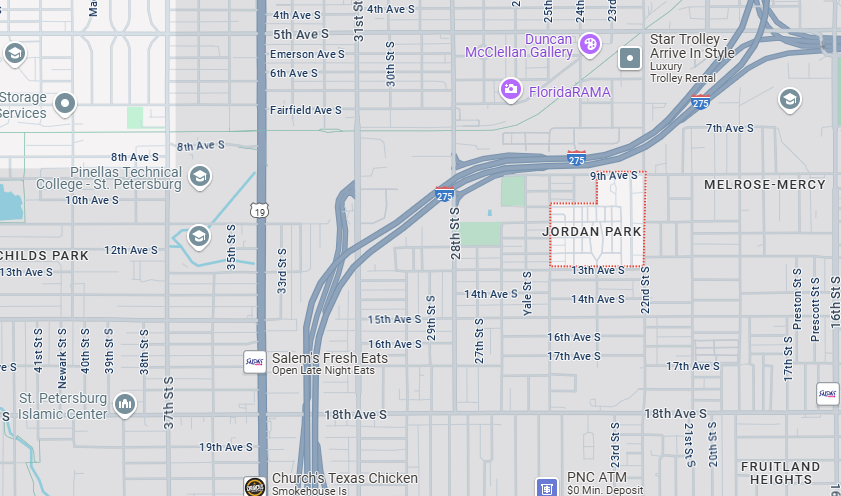
Jordan Park affordable housing community in St. Petersburg Florida
Jordan Park is one of St. Petersburg’s best-known affordable housing communities, offering convenient access to schools, transportation, shopping, and essential community services.

Jordan Park has served St. Petersburg families for generations. Originally established in 1939 as the city’s first public housing community for African Americans, the neighborhood has continued to evolve while remaining one of the area’s most recognized affordable housing communities.

Today, the community provides housing opportunities for families, seniors, and individuals with disabilities through properties managed by SPHA. The program provides Section 8 Project-Based Vouchers (PBVs) — rental subsidies attached to specific apartments at Jordan Park rather than portable vouchers that travel with the tenant. Modern redevelopment projects have added updated apartments, improved accessibility, and enhanced community amenities while preserving Jordan Park’s historic importance.

Its location near downtown St. Petersburg places residents close to schools, grocery stores, healthcare providers, employment opportunities, public transportation, and community resources, making it one of the most sought-after affordable housing communities in Pinellas County. For broader rental assistance options in the area, the Pinellas County Emergency Rental Assistance Program covers additional programs available to St. Petersburg residents.

Waiting List Now Open — Deadline: September 3, 2026

SPHA is accepting pre-applications at waitlistcheck.com/FL3385-4859 through 5:00 PM EST on September 3, 2026, or until 1,500 qualified applications are received — whichever comes first. Do not wait until the final day.

Housing Options at Jordan Park

Jordan Park includes several housing options designed to serve different household sizes and needs. Available unit types depend on current vacancies, redevelopment phases, and family composition. The current 2026 opening is for the Jordan Park Apartments PBV Waiting List; applicants with households of more than six members are not eligible for this opening.

Family Apartments

Jordan Park offers apartments designed for qualifying low-income households and families. Unit sizes available depend on current vacancies and program phases. The current opening is limited to households of up to six members.

Senior Housing

Certain properties at Jordan Park are intended for older adults and include features that promote independent living and convenient access to nearby services throughout St. Petersburg.

Accessible Units

Accessible apartments are available for qualifying applicants with disabilities when appropriate units become available. SPHA provides reasonable accommodations during the application process — call (727) 323-3171 for assistance.

Community Amenities

Residents benefit from nearby schools, parks, healthcare facilities, public transportation, and neighborhood services. Jordan Park’s downtown-adjacent location is one of the community’s most valued features.

Editorial Tip: The current Jordan Park waiting list opened July 29, 2026, and closes September 3, 2026 — or earlier if 1,500 applications are received first. Previous openings have closed in as little as three days. Gather your identification, income documents, and household information right now and apply at waitlistcheck.com/FL3385-4859 before this window closes.

Apply Now While the Waiting List Is Open

Pre-applications for Jordan Park Apartments are being accepted online through September 3, 2026. Applications for the Section 8 HCV program at SPHA are currently closed separately — this Jordan Park PBV opening is a distinct opportunity.

Find Housing Resources →

Understanding the Jordan Park Waiting List

SPHA periodically opens the Jordan Park waiting list to accept new applications. The current 2026 opening is for the Jordan Park Apartments Project-Based Voucher (PBV) Waiting List, administered under the Section 8 PBV program. Project-Based Vouchers differ from portable Housing Choice Vouchers — the subsidy stays with the Jordan Park apartment rather than traveling with you if you move. The U.S. Department of Housing and Urban Development (HUD) sets the income limits and program rules that govern the Jordan Park PBV program.

Jordan Park Waiting List Eligibility

Jordan Park waiting list affordable housing in St. Petersburg Florida
Jordan Park offers affordable housing opportunities for qualifying low-income families, seniors, and individuals with disabilities through the St. Petersburg Housing Authority.

Applicants must meet eligibility requirements established by SPHA before being placed on the Jordan Park waiting list. For the current 2026 opening, income must not exceed 60% of the Area Median Income (AMI) for Pinellas County as determined by HUD annually. Eligibility is also based on family size (maximum six household members for this opening), citizenship or eligible immigration status, and background screening. Pinellas County residents receive a preference under the current opening.

Income Requirements

For the current 2026 opening, applicants must have household income at or below 60% AMI for Pinellas County as established annually by HUD. The Tampa–St. Petersburg–Clearwater area AMI is approximately $72,700 for a family of four, making the 60% threshold roughly $43,620 for a family of four. Confirm current HUD limits at stpeteha.org.

Household Size

Family size must be appropriate for the available unit type. For the current 2026 opening, only households with a maximum of six members may apply. Applications submitted with more than six household members will be considered ineligible. Only one application per family may be submitted.

Background Screening

Applicants should expect background screening as part of SPHA’s eligibility review before admission into the community. Applicants with certain criminal history may be disqualified depending on program policies.

Priority Categories

The current 2026 opening gives preference to households who live in Pinellas County. Additional priority categories under SPHA policies may include seniors, veterans, persons with disabilities, or households displaced from SPHA-owned properties.

Documents You’ll Want Ready

  • Government-issued identification for all adult household members
  • Social Security cards for all household members
  • Birth certificates for all household members
  • Current income verification (pay stubs, benefit award letters, or tax documents)
  • Proof of current Pinellas County residency (to claim the county preference)
  • Veteran or disability documentation, if applicable

Pro Tip: Many applicants miss their opportunity because they cannot gather documents before the waiting list closes. Previous Jordan Park openings have closed in as few as three days. Store digital copies of all required documents on your phone or in secure cloud storage so you can apply immediately when a window opens — including this one.

How to Apply for the Jordan Park Waiting List

The current 2026 opening is online only at waitlistcheck.com/FL3385-4859. No pre-applications will be accepted after 5:00 PM EST on September 3, 2026. For accessibility accommodations, contact SPHA at (727) 323-3171 before the deadline.

Step 1: Prepare Right Now

Gather your government-issued ID, Social Security cards, birth certificates, income documentation, and proof of Pinellas County residency. Store digital copies for fast uploading. Do not wait until September 3 — the list closes early once 1,500 applications are received.

Step 2: Complete the Online Pre-Application

Visit waitlistcheck.com/FL3385-4859 and complete the pre-application with accurate household information, income details, and contact information. Only one application per family may be submitted — submitting duplicates may result in disqualification.

Step 3: Upload and Submit

Upload all requested documentation before submitting your pre-application and save your confirmation number. If you need help applying in person or require a reasonable accommodation, contact SPHA at (727) 323-3171 as soon as possible.

Step 4: Keep Your Information Current

Keep your mailing address, phone number, and email current while your application remains on the waiting list. Notify SPHA in writing of any changes. Failure to update contact information can result in missed notifications or removal from the list.

What Happens After You Apply?

After submitting a pre-application, households are placed on the waiting list until a unit becomes available. Selection timing depends on housing availability, family size, eligibility, and applicable preference categories — including the Pinellas County residency preference. SPHA staff do not inform applicants of their ranking on the list. Applicants can check their status at stpeteha.org/check-application-status or at waitlistcheck.com. Respond promptly to any requests for updated information or interviews to avoid removal from the list.

Common Application Mistakes

  • Waiting until the final day to apply — the list can close early once 1,500 applications are received.
  • Submitting incomplete pre-applications or uploading unreadable documents.
  • Submitting more than one application per family, which may result in disqualification.
  • Applying with more than six household members, which makes the application ineligible.
  • Failing to update your address, phone number, or email after submitting.
  • Ignoring requests from SPHA for additional documentation or interviews.

The 2026 Jordan Park Waiting List Is Open Now

Pre-applications are being accepted online at waitlistcheck.com/FL3385-4859 through September 3, 2026 at 5:00 PM EST. Stay informed about future openings for Florida public housing and St. Petersburg rental assistance programs.

Get Housing Alerts →

Why Jordan Park Affordable Housing Matters

Affordable housing continues to be one of Florida’s greatest challenges. As rental prices have increased across the state — with over 40% of Florida renters spending more than 30% of their income on rent — demand for public housing has remained extremely high. Communities like Jordan Park provide stable, affordable homes for families, seniors, veterans, and individuals with disabilities who qualify for assistance. SPHA currently provides housing opportunities for approximately 4,000 qualifying low-income households across its three program types.

If you are not able to apply for Jordan Park or need immediate rental help while on a waiting list, the Florida rent deposit assistance guide and the Pinellas County Emergency Rental Assistance Program cover additional options available to St. Petersburg residents right now.

1,500 Applications — Then It Closes

The 2026 Jordan Park waiting list closes at 5:00 PM on September 3, 2026 — or as soon as 1,500 qualified pre-applications are received. Apply now at waitlistcheck.com/FL3385-4859.

Editorial Tip: Waiting periods after placement on the list vary widely depending on household size, housing availability, and program priorities. Keeping your application current — and notifying SPHA in writing of any address, phone, or household changes — is one of the most important steps you can take while waiting for a unit to become available.

Frequently Asked Questions

Is the Jordan Park waiting list open right now?

Yes. As of July 29, 2026, SPHA is accepting pre-applications for the Jordan Park Apartments PBV Waiting List online at waitlistcheck.com/FL3385-4859. The closing date is September 3, 2026 at 5:00 PM EST, or once 1,500 qualified applications are received — whichever comes first.

How long is the Jordan Park waiting list?

Waiting times vary depending on unit availability, applicant preferences, and housing demand. Some applicants may wait several months; others may remain on the list considerably longer. SPHA does not inform applicants of their current ranking. Check status at stpeteha.org or waitlistcheck.com.

Do Pinellas County residents get priority?

Yes. For the current 2026 opening, SPHA gives preference to households who live in Pinellas County. Additional preference categories may apply for seniors, veterans, persons with disabilities, and households displaced from SPHA-owned properties.

What happens if my address changes after I apply?

Notify SPHA immediately in writing. Failure to update your contact information could result in missed notifications or removal from the waiting list. You can also update information through the waitlistcheck.com portal.

What is the difference between Jordan Park PBV and the SPHA Section 8 HCV waiting list?

Jordan Park uses Project-Based Vouchers (PBVs), which are attached to specific apartments at Jordan Park — the subsidy does not travel with you if you move. The SPHA Housing Choice Voucher (HCV/Section 8) program is separate and currently closed. These are two different programs with different application processes and portals.

Additional Florida Housing Resources

While waiting for a Jordan Park unit or exploring other affordable housing options, the following resources may help:

Take the Next Step Toward Affordable Housing

Apply for Jordan Park Before the September 3, 2026 Deadline

The 2026 Jordan Park waiting list is open now. Pre-applications are being accepted at waitlistcheck.com/FL3385-4859 until September 3, 2026 at 5:00 PM EST — or until 1,500 qualified applications are received. Stay informed about future openings and other Florida affordable housing opportunities through Rental Assistance Online.

  • Public housing waiting list updates
  • Affordable housing opportunities
  • Florida rental assistance programs
  • Housing application guidance

Get Housing Alerts →


Editorial Note: Waiting list schedules, eligibility requirements, and housing availability are determined by the St. Petersburg Housing Authority and may change without notice. The current Jordan Park PBV waiting list opened July 29, 2026, and closes September 3, 2026 at 5:00 PM EST or once 1,500 applications are received. Always review official SPHA announcements at stpeteha.org for the most current application information before submitting.

Temporary Housing Near UC Health: Comfortable Options for Patients and Families

0

Quick Answer

Where can families find temporary housing near UC Health?

Temporary housing near UC Health can include furnished apartments, extended-stay suites, hotels, and short-term rentals designed for patients and families needing convenient access to medical care. The best option depends on stay length, budget, transportation needs, and required amenities such as kitchens, laundry, and flexible booking.

Get Temporary Housing Help

Temporary Housing Near UC Health: Why Location Matters

Temporary Housing Near UC Health helps patients and families find convenient medical stay options
Temporary housing near UC Health can help families stay closer to important medical appointments and treatment locations.

Finding temporary housing near UC Health can make medical journeys easier for patients and caregivers. When treatment requires frequent appointments, procedures, or extended recovery periods, staying nearby can reduce travel challenges and provide a more comfortable daily routine.

UC Health serves patients throughout the Cincinnati region, while Cincinnati Children’s Hospital Medical Center provides specialized pediatric care for children and families. Families traveling for treatment often look for accommodations that provide convenience, privacy, and the ability to maintain normal routines during an uncertain time.

Choosing the right temporary home requires more than finding the closest available room. Factors such as transportation access, kitchen facilities, length of stay, accessibility features, and total cost can all affect whether an accommodation works for your situation.

Families researching housing support options may also find additional resources through Rental Assistance Online guides, including information about rental assistance programs and short-term housing resources.

Temporary Housing Near UC Health Options to Consider

UC Health

Medical care network serving patients throughout the Cincinnati area.

Cincinnati Children’s Hospital Medical Center

Pediatric healthcare provider supporting children and families.

Furnished Apartments

A practical option for families needing more space and household features.

Extended Stay Hotels

Suites with kitchenettes and longer booking flexibility.

Short-Term Rentals

Flexible accommodations for stays lasting days or weeks.

Family Support Resources

Community and financial assistance resources may help reduce housing stress.

Temporary Housing Near UC Health: Choosing the Right Accommodation

Location and Transportation

For patients and caregivers, location is often the priority. A nearby accommodation can reduce commuting time and make it easier to attend appointments, visit loved ones, and manage unexpected schedule changes.

Before booking, consider parking availability, public transportation access, and travel distance to UC Health facilities. A slightly higher nightly rate may be worthwhile if it reduces transportation costs and daily stress.

Amenities That Improve Longer Stays

Medical stays can last longer than expected, making everyday amenities important. Features such as a kitchen, laundry access, Wi-Fi, parking, and separate living areas can improve comfort and reduce expenses.

3 Key Factors

Location, flexibility, and amenities should guide your temporary housing decision.

Temporary Housing Near UC Health: Furnished and Flexible Living Solutions

Temporary Housing Near UC Health with fully furnished accommodations for patients and families
Fully furnished temporary housing near UC Health can provide a move-in-ready space during medical stays.

Why Furnished Housing Can Be Helpful

Fully furnished accommodations are popular among families traveling for medical care because they eliminate many of the challenges associated with relocating temporarily. Instead of purchasing furniture, kitchen supplies, or household items, guests can move into a space that is already prepared for daily living.

This type of housing can be especially useful for extended medical stays. A furnished apartment or suite may provide separate sleeping and living areas, allowing caregivers and patients to maintain privacy and comfort.

Flexible Lease Terms for Changing Medical Schedules

Medical treatment schedules can change quickly. Flexible temporary housing arrangements allow families to adjust their stay length when appointments are extended, or recovery requires additional time.

When comparing housing options, ask about cancellation policies, extension options, deposits, included utilities, and payment schedules. These details can prevent unexpected costs during an already stressful period.

Families exploring broader housing assistance resources can also review information about rental assistance programs and other support options available through Rental Assistance Online.

Temporary Housing Near UC Health: Budget-Friendly Choices for Families

Temporary Housing Near UC Health budget-friendly options for families during medical stays
Affordable temporary housing near UC Health can help families manage costs while staying close to care.

Medical expenses, transportation costs, and time away from work can make temporary housing difficult for families. Finding affordable accommodations without sacrificing basic comfort is an important part of planning a longer stay.

Ways Families Can Reduce Housing Costs

  • Compare weekly and monthly rates instead of only nightly pricing.
  • Look for accommodations with kitchens to reduce restaurant expenses.
  • Ask property managers about extended-stay discounts or flexible arrangements.
  • Consider locations slightly outside the immediate hospital area if transportation remains practical.

Family-Friendly Features to Look For

Families staying near hospitals often need more than a place to sleep. Useful features may include laundry facilities, kitchen access, reliable internet, parking, and enough space for caregivers who are spending long periods away from home.

Before committing to a rental, review photos carefully, read current guest feedback when available, and confirm the exact amenities included in the price.

Editorial Team Pro Tip: Create a checklist before contacting housing providers. Knowing your expected stay length, transportation needs, budget range, and required amenities can make the search process faster and more effective.

Need Help Finding Temporary Housing Near UC Health?

Connect with resources that can help you explore available temporary housing options.

Explore Housing Resources

Temporary Housing Near UC Health: Comparing Common Options

Housing Type Best For Advantages Considerations
Furnished Apartments Longer stays Kitchen access, more space, home-like environment May require planning
Extended Stay Hotels Short or medium stays Flexible booking and included services Less living space than apartments
Short-Term Rentals Families needing flexibility Many locations and property types Amenities vary by property

Temporary Housing Near UC Health: Frequently Asked Questions

What is the best type of temporary housing near UC Health?

The best temporary housing near UC Health depends on your stay length, budget, and personal needs. Furnished apartments may work well for extended stays, while hotels and short-term rentals may be better for shorter visits or families needing flexible booking.

How long can someone stay in temporary housing near UC Health?

Temporary housing stays can range from a few nights to several months depending on the property, availability, and agreement terms. Families should confirm extension policies and pricing before booking if medical treatment schedules may change.

What amenities should families look for?

Important amenities may include kitchen facilities, laundry access, parking, internet service, accessible features, and enough living space for caregivers. These features can make longer medical stays more manageable and comfortable.

Are there affordable temporary housing options near UC Health?

Yes. Families can compare options such as extended-stay hotels, furnished rentals, and short-term accommodations to find a solution that fits their budget. Comparing weekly or monthly rates may help reduce overall costs.

How can families start finding temporary housing?

Start by identifying your expected stay length, budget, transportation needs, and required amenities. Then compare available housing options, review policies, and contact providers to confirm availability.

Temporary Housing Near UC Health: Finding the Right Solution

Finding temporary housing near UC Health can provide valuable support for patients and families managing medical appointments, treatments, and extended stays. The right accommodation can reduce travel stress while creating a comfortable place to rest and maintain daily routines.

Whether you choose a furnished apartment, extended-stay hotel, or another short-term option, focus on the features that matter most for your situation. Location, flexibility, affordability, and comfort should guide your decision.

For additional housing information and assistance resources, explore Rental Assistance Online guides covering topics such as rental support programs and housing assistance benefits.

Find Temporary Housing Near UC Health Today

Finding a comfortable place to stay during medical care does not have to be overwhelming. Get connected with resources that can help you explore temporary housing options based on your needs.

  • Explore flexible housing solutions
  • Compare accommodations for your stay length
  • Find options that fit your budget and needs
  • Connect with housing resources faster

Request Temporary Housing Information

Pet-Friendly Short-Term Rentals in Cincinnati: The Complete Guide to Finding the Perfect Stay With Your Pet

0

Quick Answer

How can you find pet-friendly short-term rentals in Cincinnati?

The easiest way to find pet-friendly short-term rentals in Cincinnati is to compare listings across trusted vacation rental platforms, carefully review each property’s pet policy, budget for pet fees, and prioritize rentals near parks and pet-friendly amenities. Reading recent guest reviews and communicating directly with hosts can also help you avoid surprises before booking.

Why Pet-Friendly Short-Term Rentals in Cincinnati Are Growing in Popularity

Pet-Friendly Short-Term Rentals in Cincinnati pet policy guide
Understanding pet policies before booking helps prevent unexpected fees and restrictions.

Finding Pet-Friendly Short-Term Rentals in Cincinnati has become much easier over the past few years as more property owners recognize that travelers want to bring their pets along. Whether you are relocating temporarily, taking an extended vacation, working remotely, or visiting family, traveling with your pet can make your trip significantly more enjoyable.

However, not every rental advertising itself as “pet friendly” offers the same experience. Some properties welcome nearly every breed and size, while others impose strict weight limits, breed restrictions, or additional cleaning requirements. Understanding these policies before booking helps prevent unnecessary stress after you arrive.

Before choosing a rental, spend time comparing listings, reading recent reviews, and reviewing every section of the property’s house rules. Doing this can help you avoid unexpected deposits, nightly pet charges, or limitations on the number of animals allowed.

You should also explore additional housing resources available through Rental Assistance Online, including guides about rental assistance programs, housing resources in Florida, and other affordable housing opportunities that may help reduce your overall housing costs.


Pet-Friendly Short-Term Rentals in Cincinnati: Essential Resources

Airbnb Search thousands of Cincinnati properties using pet-friendly filters and communicate directly with hosts before booking.
Vrbo: Ideal for travelers needing entire homes with fenced yards or additional outdoor space for pets.
BringFido Specializes in accommodations, restaurants, attractions, and activities that welcome pets.
PetsWelcome: Useful for comparing pet policies across vacation rentals and extended-stay accommodations.
Cincinnati Parks: Explore dog-friendly parks and walking trails near your rental for convenient daily exercise.
Local Property Managers: Many local managers offer flexible lease terms and can recommend rentals suitable for pets.

Understanding Pet Policies for Pet-Friendly Short-Term Rentals in Cincinnati

One of the most important parts of booking a rental is reviewing the property’s complete pet policy before confirming your reservation.

Many travelers assume every listing marked as “pets allowed” follows similar rules, but that is rarely the case. Policies differ significantly between hosts and management companies.

As you compare properties, pay close attention to:

  • Maximum number of pets allowed.
  • Weight or breed restrictions.
  • Refundable or non-refundable pet deposits.
  • Nightly or weekly pet fees.
  • Rules regarding furniture and bedding.
  • Leash requirements for shared spaces.
  • Requirements for crating pets when left alone.

Many hosts appreciate proactive communication. If your pet is well-trained, housebroken, and accustomed to travel, letting the property owner know before arrival may increase your chances of approval.

Data Highlight

Avoiding unexpected pet fees starts with reading every listing carefully.

Even a few minutes reviewing house rules can help prevent additional charges after check-in and ensure your vacation begins smoothly.

Setting Your Budget for Pet-Friendly Short-Term Rentals in Cincinnati

Budgeting for Pet-Friendly Short-Term Rentals in Cincinnati
Creating a realistic budget helps you compare rentals with confidence.

Budgeting for accommodations involves more than comparing nightly rates. Travelers bringing pets should also estimate cleaning charges, security deposits, parking fees, and potential pet surcharges before making a reservation.

A detailed budget also makes it easier to compare properties offering additional amenities such as fenced yards, nearby walking trails, complimentary pet supplies, or larger living spaces that improve your pet’s comfort during an extended stay.

Finding the Best Pet-Friendly Short-Term Rentals in Cincinnati Through Trusted Platforms

Once you have established your budget, the next step is choosing where to search. Using multiple rental platforms gives you a broader selection of properties and allows you to compare pricing, amenities, cancellation policies, and pet rules before making a reservation.

Start your search with well-known vacation rental websites that provide dedicated pet-friendly filters. These tools allow you to narrow results based on your travel dates, preferred neighborhoods, number of guests, and whether pets are welcome.

Compare Multiple Listing Platforms

Instead of relying on one website, compare listings across several platforms. Sometimes the same property appears on multiple sites with different pricing, cancellation terms, or promotional discounts.

  • Airbnb offers apartments, condos, guest suites, and private homes throughout Cincinnati.
  • Vrbo specializes in entire homes that often include fenced yards and larger outdoor areas.
  • BringFido highlights accommodations specifically welcoming pets and often includes nearby attractions.
  • PetsWelcome provides another way to compare pet policies before booking.

Reading the complete listing description is just as important as reviewing the photos. Look carefully for information regarding pet deposits, cleaning fees, maximum pet sizes, and any restrictions on leaving pets unattended inside the property.

Pro Tip from the Editorial Team:
Always send the property owner a message before booking if you have questions about your pet. A quick conversation can clarify breed restrictions, outdoor space availability, and any house rules that may not appear in the listing.


Choosing Amenities That Improve Pet-Friendly Short-Term Rentals in Cincinnati

Amenities for Pet-Friendly Short-Term Rentals in Cincinnati
The right amenities can make your stay far more comfortable for both you and your pet.

Not every pet-friendly rental provides the same level of comfort. Looking beyond the nightly rate often helps you identify properties that deliver better value throughout your stay.

Outdoor Space

If your pet enjoys spending time outside, prioritize rentals with fenced yards, patios, balconies, or easy access to nearby green spaces. Having a convenient outdoor area makes daily routines much easier.

Nearby Parks

Cincinnati offers numerous parks and walking trails that are popular with pet owners. Staying near these areas provides opportunities for exercise and helps your pet adjust more quickly to an unfamiliar environment.

Pet Supplies

Some hosts provide food bowls, waste bags, pet beds, towels, or treats as part of the rental. While these extras may seem small, they can reduce the amount you need to pack.

Cleaning Supplies

Accidents can happen during travel. Rentals stocked with pet-safe cleaning supplies allow guests to quickly clean up minor messes while helping maintain a positive relationship with the property owner.

Need Help Finding Affordable Housing Resources?

Rental Assistance Online provides information about housing programs, rental assistance, and affordable housing resources available across the United States.

Check Your Housing Options


Reading Reviews Before Booking Pet-Friendly Short-Term Rentals in Cincinnati

Guest reviews often reveal details that cannot be found in the property description. Travelers who have already stayed at the rental frequently discuss cleanliness, neighborhood safety, host responsiveness, and whether the property truly accommodates pets comfortably.

Look for recurring comments instead of focusing on one isolated review. If multiple guests mention excessive pet fees, poor communication, or misleading photographs, consider exploring another property.

Positive reviews mentioning spacious outdoor areas, quiet neighborhoods, convenient walking routes, and responsive hosts usually indicate a more enjoyable experience.

Questions Worth Asking Before Booking

  • Are pets allowed on furniture?
  • Is there a fenced yard?
  • Can pets be left alone inside the rental?
  • Are there nearby walking trails?
  • Is there an additional cleaning fee?
  • Are multiple pets permitted?
  • Does the neighborhood have sidewalks?

Gathering this information beforehand helps you avoid surprises after arrival and ensures your pet remains comfortable throughout the trip.


Preparing Your Pet for Pet-Friendly Short-Term Rentals in Cincinnati

Preparing your pet before traveling is just as important as selecting the right rental. A little planning can reduce anxiety and help both you and your companion settle in quickly.

  1. Schedule a veterinary checkup if your pet has not traveled recently.
  2. Bring vaccination records if required by your destination.
  3. Pack familiar blankets and favorite toys.
  4. Carry enough food and medication for the entire trip.
  5. Update identification tags with current contact information.
  6. Bring a leash, waste bags, food bowls, and portable water containers.
  7. Allow your pet time to explore the new surroundings after arrival.

Maintaining your pet’s regular feeding schedule and walking routine also helps reduce stress during travel.

Exploring Pet-Friendly Activities Near Pet-Friendly Short-Term Rentals in Cincinnati

One of the biggest advantages of choosing pet-friendly short-term rentals in Cincinnati is having easy access to attractions that welcome both residents and visitors traveling with pets. Planning a few pet-friendly outings before your trip can make your stay more enjoyable while helping your companion stay active and relaxed.

Many neighborhoods throughout Cincinnati feature walking paths, dog parks, outdoor dining patios, and public green spaces where pets are welcome when properly leashed. Choosing accommodations close to these attractions minimizes travel time and gives your pet more opportunities for exercise.

Before visiting any attraction, verify its current pet policy and hours of operation, as individual businesses and public spaces may update their rules throughout the year.

Activity Why It Is Worth Visiting Ideal For
Dog Parks Open areas where pets can exercise and socialize. Daily exercise
Riverfront Walking Trails Scenic walks suitable for morning or evening outings. Leisure walks
Outdoor Cafes Many patios welcome well-behaved pets. Dining
Local Markets Some outdoor markets allow pets while shopping. Weekend outings
Neighborhood Parks Great places for shorter walks throughout the day. Quick exercise

Frequently Asked Questions About Pet-Friendly Short-Term Rentals in Cincinnati

Do all pet-friendly rentals charge additional fees?

Not always. Some hosts include pets in the standard nightly rate, while others charge cleaning fees, refundable deposits, or nightly pet fees. Always review the listing before booking.

Are there breed or weight restrictions?

Many properties establish breed, size, or weight limitations. Contact the property owner if your pet falls outside the listed guidelines.

How far in advance should I reserve a pet-friendly rental?

Booking several weeks or months ahead generally provides more choices, especially during holidays, major sporting events, and summer travel seasons.

What should I bring for my pet?

Pack food, medications, bowls, waste bags, a leash, favorite toys, bedding, and copies of vaccination records if needed.

Can I leave my pet alone inside the rental?

Some hosts permit it while others prohibit unattended pets. Verify this policy before your stay to avoid violating the rental agreement.


Final Thoughts on Pet-Friendly Short-Term Rentals in Cincinnati

Finding the right pet-friendly short-term rental in Cincinnati becomes much easier when you begin planning early, compare several booking platforms, understand each property’s pet policy, and choose accommodations that match both your needs and your pet’s comfort.

Whether you are visiting Cincinnati for work, relocating temporarily, or enjoying a vacation, taking time to research amenities, review guest feedback, and communicate with property owners can help you avoid unexpected costs and enjoy a smoother travel experience.

For additional housing resources, affordable housing information, and rental assistance guides, continue exploring the articles available throughout Rental Assistance Online.

Ready to Find Housing Resources?

Rental Assistance Online provides helpful housing information, rental assistance guides, and educational resources designed to help renters make informed decisions.

Compare pet-friendly rental options.

Learn about affordable housing programs.

Explore rental assistance resources nationwide.

Stay informed with practical housing tips.

Harris County Emergency Rental Assistance: How to Get Help With Rent in 2026

0
Quick Answer

What is the Harris County Emergency Rental Assistance Program?

The Harris County Emergency Rental Assistance Program (ERAP) helps eligible renters experiencing financial hardship by providing assistance with past-due rent, qualifying utility bills, and other housing-related expenses when funding is available. Administered through Harris County Housing and Community Development and partner agencies, the program generally requires applicants to have an active Notice to Vacate or eviction case with a court cause number before applying. Submitting a complete application as early as possible can improve your chances of receiving help before funds are exhausted.

Find Rental Assistance Programs →

Understanding Harris County Emergency Rental Assistance

Harris County Emergency Rental Assistance Program
Emergency rental assistance programs help eligible Harris County households remain safely housed during periods of financial hardship.

For many Harris County renters, keeping up with monthly housing costs has become increasingly difficult. Rising rental prices, unexpected medical expenses, reduced work hours, and other financial challenges can quickly place households at risk of eviction or utility disconnection.

The Harris County Emergency Rental Assistance Program (ERAP) was created to help eligible households facing these challenges. Depending on program funding and eligibility requirements, assistance may include overdue rent, qualifying utility expenses, and other housing stability services designed to help residents remain in their homes.

The program is administered with support from partner agencies including BakerRipley, Catholic Charities of the Archdiocese of Galveston-Houston, and The Alliance, which together have helped distribute over $290 million in assistance to more than 73,000 Harris County households. Because funding availability changes throughout the year, applicants are encouraged to begin the process as soon as financial hardship occurs rather than waiting until an eviction notice or utility shutoff arrives.

An important eligibility note: the current ERAP program generally requires applicants to have received a Notice to Vacate or have an active eviction case with a court cause number before applying. If you are behind on rent but have not yet received a notice, contact 2-1-1 Texas for referrals to programs that may assist earlier in the process.

$290 Million+

The City of Houston, Harris County, and the State of Texas have collectively provided over $290 million in rental assistance to more than 73,000 households since 2021. Rental assistance funding is often limited — applying as soon as hardship occurs may improve your chances of receiving help before funds are exhausted.

How Harris County Emergency Rental Assistance Helps Renters

The Harris County Emergency Rental Assistance Program is designed to reduce housing instability by helping qualifying renters catch up on essential housing expenses while connecting them with additional community resources.

Rental Assistance

Financial assistance may be available for eligible households with past-due rent. The program generally pays approved amounts directly to participating landlords rather than to tenants, meaning your landlord must agree to participate in the process.

Utility Assistance

Some qualifying utility expenses — including electricity, gas, and water — may also be covered through available funding to help households remain safely housed and avoid disconnection.

Housing Stability Services

Applicants may also be connected with housing counseling, nonprofit organizations, legal aid referrals, and additional community resources that support long-term housing stability beyond the immediate crisis.

Eviction Prevention

By helping eligible renters address housing-related expenses before they become unmanageable, the program supports efforts to reduce eviction risk. Lone Star Legal Aid also provides free legal screening for income-eligible renters facing eviction in Harris County.

Editorial Tip: If you’re struggling to pay rent, don’t wait until your landlord files for eviction. Contact rental assistance providers as soon as possible and begin gathering the documents needed for your application. Also ask your landlord in writing whether they will cooperate with the provider’s payment process — landlord participation is typically required for funds to be released.

Looking for Emergency Rental Assistance?

Explore rental assistance programs, housing resources, and financial assistance opportunities available throughout Texas — including current programs in Harris County and surrounding areas.

Explore Housing Resources →

Who May Qualify for Harris County Rental Assistance?

Eligibility depends on several factors, including household income, residency within Harris County, financial hardship, and program funding. The current program is specifically designed for renters who have received a Notice to Vacate or have an active eviction court case. If you do not yet have a notice, use Texas statewide rental assistance resources or call 2-1-1 to find programs that may assist earlier in the process.

Who qualifies for Harris County emergency rental assistance
Eligibility is generally based on residency, household income, financial hardship, and available program funding.

Who Qualifies for Harris County Emergency Rental Assistance?

Eligibility requirements may change as funding sources evolve. Most Harris County rental assistance programs review household income, residency, financial hardship, and the risk of housing instability when determining whether an applicant qualifies. Priority assistance may be available for households experiencing severe financial hardship or those facing an immediate risk of eviction.

Income Requirements

Applicants are generally required to meet household income limits established by the program. Income guidelines are often based on household size and HUD’s Area Median Income (AMI) thresholds, with most programs targeting households at or below 80% AMI.

Residency

Applicants must typically reside within Harris County and provide documentation verifying their current address and rental obligations. Renters in the City of Houston may also access programs administered separately through the City of Houston Housing and Community Development Department.

Financial Hardship

Programs generally require documentation showing that the household experienced a financial hardship — such as job loss, reduced income, or unexpected medical expenses — affecting its ability to pay rent or qualifying utility expenses.

Active Notice or Eviction Case

Unlike some programs that assist renters before an eviction is filed, the current Harris County ERAP generally requires applicants to provide a copy of a Notice to Vacate or an active eviction case file number. If you have been served with a court citation, that court cause number is required documentation.

Documents You Will Usually Need

  • Government-issued photo identification for all adult household members
  • Current signed lease agreement
  • Proof of household income (pay stubs, benefit letters, or tax records)
  • Notice to Vacate or eviction citation with court case or cause number
  • Current rent ledger showing balance owed and payment history
  • Recent utility bills when requesting utility assistance
  • Landlord name, contact information, and willingness to participate in the payment process

For additional context on what to expect during the application and review process, this overview of how housing assistance in Harris County works explains each stage in plain language.

How to Apply for Harris County Rental Assistance

How to apply for Harris County rental assistance
Preparing your documents before applying can help reduce delays during the review process.

Applying for rental assistance is most straightforward when you prepare your paperwork in advance. Completing every section of the application and responding quickly to requests for additional documentation can help keep your application moving. The program processes applications in the order received, so submitting promptly matters.

Step 1: Gather Your Documents

Collect your government-issued ID, proof of income, current lease, rent ledger, Notice to Vacate or court cause number, utility bills if applicable, and written confirmation that your landlord is willing to participate in the payment process.

Step 2: Submit Your Application

Complete the rental assistance application carefully and upload every required document before submitting. Applications with missing documents are typically delayed or denied. Confirm that you meet the program’s active notice or eviction case requirement before applying.

Step 3: Landlord Verification

Your landlord will be contacted to verify your tenancy and participate in the payment process if your application is approved. Funds are paid directly to the landlord or utility provider, not to the tenant. If your landlord refuses to participate, ask your case manager whether alternatives exist.

Step 4: Monitor and Respond

Monitor your application regularly and respond promptly if additional information is requested. Check your email and voicemail daily. Applications where requested information goes unanswered are typically closed without assistance being issued.

While waiting for a decision, also contact the TDHCA Help for Texans portal and 2-1-1 to identify additional local providers. Applying to multiple eligible programs simultaneously gives you the best chance of receiving help before your court date. For a detailed walkthrough of the process, see this step-by-step guide to Harris County rental assistance for tenants and landlords.

Housing Expenses That May Be Covered

Depending on eligibility and available funding, Harris County rental assistance programs may help cover several housing-related expenses. Coverage limits and program rules change as funding cycles evolve, so always confirm current details directly with the administering agency.

Expense Potential Assistance
Past-Due Rent May be covered for eligible households with a Notice to Vacate or active eviction case.
Future Rent Limited forward-looking rental assistance may be available depending on current program rules and remaining funds.
Utility Bills Some qualifying utility expenses — electricity, gas, and water — may be eligible for coverage.
Late Fees Certain programs may assist with eligible housing-related charges; confirm with your case manager.

Pro Tip: Keep copies of every document you submit and check your email or phone regularly. Responding quickly to requests from your case manager can help avoid unnecessary delays. Keep a written log of every contact — date, name, reference number, and what was discussed — so you have a record if your case needs to be escalated.

Stay Updated on Rental Assistance Programs

Funding opportunities change throughout the year. Stay informed about rental assistance programs, housing resources, and financial assistance available across Texas.

Get Housing Assistance Updates →

What to Do if You’re Facing Eviction in Harris County

If you have received an eviction notice or are behind on your rent, do not wait to seek assistance. Contact your landlord, begin applying for rental assistance, seek free legal screening, and keep copies of every document you submit. Acting quickly may increase your options while assistance funding is still available.

Communicate With Your Landlord

Let your landlord know in writing that you are applying for rental assistance. Some assistance providers require landlords to verify tenancy before funds can be distributed. Ask whether your landlord will complete the required provider payment forms.

Keep Your Records Organized

Save copies of your lease, rent ledger, utility bills, application confirmations, emails, and any court documents you receive. Digital copies stored securely are especially helpful when you need to upload documents quickly.

Continue Monitoring Your Application

Check your email and voicemail regularly. Respond promptly if additional documentation is requested by your case manager. Missing a request deadline can result in your application being closed without assistance being issued.

Seek Legal Aid Alongside Assistance

A rental assistance application does not automatically stop an eviction proceeding. Seek free legal screening through Lone Star Legal Aid (800-733-8394) or the Houston Eviction Advocacy Center (346-771-7260) while your application is being reviewed. For more on emergency housing steps in Houston, see this guide on emergency housing resources in Houston.

Take Action Early

Submitting a complete application early gives you more opportunities to receive assistance before available funding is exhausted. The program processes older applications first — so submitting promptly matters.

Frequently Asked Questions About Harris County ERAP

Who qualifies for Harris County Emergency Rental Assistance?

The current program is designed for Harris County renters who have received a Notice to Vacate or have an active eviction court case with a cause number. Eligibility also generally requires meeting household income limits (typically 80% AMI), demonstrating financial hardship, and having a landlord willing to participate in the payment process.

Can I receive assistance for utility bills?

Some rental assistance programs also provide help with qualifying utility expenses such as electricity, gas, and water. Availability depends on the funding source and current program guidelines. Confirm with your case manager whether your specific utility needs are covered under the current program rules.

How long does the application process take?

Processing times vary depending on application volume, funding availability, and whether all required documentation has been submitted correctly. The program works through applications in order of receipt. Missing documents are a leading cause of delays — submitting a complete packet from the start is the most effective way to speed up review.

Does applying for rental assistance stop my eviction?

No. A rental assistance application does not automatically pause or stop an eviction proceeding. You must attend all court hearings unless qualified legal counsel advises otherwise. Contact Lone Star Legal Aid at 800-733-8394 for free legal screening alongside your assistance application.

What happens if my application is denied?

If you are not approved, ask the organization whether additional documentation can be submitted or whether other local housing assistance programs may be available. Contact 2-1-1 Texas (dial 2-1-1 or 877-541-7905) to identify other current providers by ZIP code, and check the TDHCA Help for Texans locator for additional options across the state.

Take the Next Step Toward Housing Stability

Explore Rental Assistance Resources Across Texas

Whether you’re behind on rent or preparing for unexpected financial challenges, Rental Assistance Online helps connect renters with housing resources, emergency assistance programs, and community organizations throughout Texas.

  • Emergency rental assistance programs
    Affordable housing resources
    Utility assistance information
    Housing stability guides

Find Rental Assistance Today →

Additional Rental Assistance Resources

Explore more housing assistance information and Texas-specific programs:


Editorial Note: Rental assistance programs, eligibility requirements, funding availability, and application procedures may change over time. Always verify current program information with the agency administering the assistance — including Harris County HCD’s housing stabilization page — before submitting your application.

Anaheim Rental Assistance Programs: How to Get Help With Rent and Utilities

0
Quick Answer

How can Anaheim residents get emergency rental assistance?

Anaheim renters experiencing financial hardship may qualify for rental assistance, utility assistance, eviction prevention services, and housing support through the City of Anaheim and local nonprofit partners. Because funding availability changes throughout the year, applicants should apply as early as possible and prepare all required documentation before submitting an application.

Find Rental Assistance Programs →

Emergency Rental Assistance in Anaheim

Anaheim Rental Assistance Program
Emergency rental assistance programs help eligible Anaheim households remain safely housed during periods of financial hardship.

Housing costs throughout Southern California continue placing pressure on many renters, making it difficult for households to keep up with monthly rent and utility bills. Unexpected events such as job loss, reduced work hours, medical expenses, or family emergencies can quickly place tenants at risk of eviction or housing instability.

Anaheim offers housing assistance through its Housing Authority and community partners that work together to help eligible residents avoid eviction, stabilize their housing, and connect with additional support services. Depending on program availability, assistance may include rental payments, utility assistance, housing counseling, referrals, and eviction prevention services.

Because available funding may change throughout the year, applicants should contact assistance providers as soon as financial hardship begins rather than waiting until an eviction hearing or utility shutoff notice is issued.

Apply Early

Many rental assistance programs review applications in the order they are received. Applying early may improve your chances of receiving help before available funding is exhausted.

Understanding the Anaheim Rental Assistance Program

Originally developed to help households recover from the financial effects of the COVID-19 pandemic, Anaheim’s rental assistance programs have evolved into broader housing stability initiatives. Today, eligible residents may be connected with rental assistance, utility support, housing counseling, and referrals through partnerships between local government agencies and nonprofit organizations.

Rental Assistance

Financial assistance may be available for eligible households struggling to keep up with rent because of temporary financial hardship.

Utility Assistance

Some programs may also help eligible households with qualifying utility expenses to reduce the risk of housing instability.

Housing Counseling

Case managers can often connect applicants with budgeting assistance, housing resources, financial education, and community referrals.

Eviction Prevention

Many assistance programs focus on helping renters remain safely housed before housing instability becomes a larger crisis.

Editorial Tip: Do not wait until you receive an eviction judgment before asking for help. Contact housing assistance providers as soon as you realize you may have difficulty paying rent.

Need Help Finding Rental Assistance?

Explore rental assistance programs, affordable housing resources, and financial assistance opportunities available throughout California.

Explore Housing Resources →

Who May Qualify for Rental Assistance?

While eligibility requirements vary by funding source and program, many rental assistance providers review household income, residency, financial hardship, and the risk of housing instability when determining eligibility. In the next section, we’ll look at common qualification requirements, required documents, and the application process.

Who qualifies for Anaheim rental assistance
Eligibility is generally based on residency, financial hardship, household income, and the risk of losing housing.

Although every funding source has its own requirements, Anaheim rental assistance programs generally focus on helping households experiencing temporary financial hardship. Applicants are typically asked to demonstrate that they live in Anaheim, have experienced a qualifying financial setback, and are at risk of eviction or housing instability.

Income Guidelines

Many housing programs consider household income as part of the eligibility review. Income limits may vary depending on the funding source supporting each program.

Anaheim Residency

Applicants are generally expected to live within the City of Anaheim and provide documentation confirming residency.

Financial Hardship

Programs often require documentation showing reduced income, unemployment, medical expenses, or another hardship that has affected the household’s ability to pay rent or utilities.

Housing Instability

Applicants may be asked to provide a late rent notice, eviction notice, utility disconnection notice, or other documentation demonstrating the need for assistance.

Documents You’ll Usually Need

  • Government-issued photo identification
  • Current lease agreement
  • Proof of household income
  • Recent pay stubs, unemployment benefits, or other income documentation
  • Past-due rent or utility notices, if applicable
  • Landlord contact information
  • Utility bills when requesting utility assistance

How to Apply for Anaheim Rental Assistance

The City of Anaheim and its nonprofit partners use an application process designed to identify households most in need of assistance. Preparing your paperwork before you begin can help avoid unnecessary delays.

Step 1

Review the current eligibility requirements and confirm that the rental assistance program is accepting applications.

Step 2

Gather all required documents before beginning your application, including income verification, identification, and housing records.

Step 3

Complete the application carefully and upload all requested documentation. Missing information may delay the review process.

Step 4

Monitor your email and phone for requests from your case manager and respond promptly if additional documentation is requested.

Expenses That May Be Covered

Depending on the funding source and your eligibility, assistance programs may help cover several housing-related expenses designed to improve housing stability.

Expense Potential Assistance
Past-Due Rent Rental assistance for eligible households based on available funding.
Current or Future Rent Some programs may provide limited ongoing assistance when funding permits.
Utilities Electricity, gas, water, and certain utility-related expenses may qualify through participating programs.
Housing Stabilization Case management, referrals, and supportive housing services may also be available.

Pro Tip: If you receive an eviction notice after submitting your application, notify your case manager immediately. Updated information may affect how your application is prioritized.

Stay Updated on Rental Assistance Programs

Funding opportunities change throughout the year. Stay informed about rental assistance, affordable housing programs, and financial assistance resources available in California.

Get Housing Assistance Updates →

What to Do if You’re Facing Eviction

If you’ve received a pay-or-quit notice or have been notified of an upcoming eviction hearing, take action immediately. Waiting until the final stages of the eviction process can reduce the number of assistance programs available. Contact your landlord, continue applying for rental assistance, and keep copies of every document you submit.

Talk With Your Landlord

Let your landlord know that you are actively applying for rental assistance. Some housing programs require landlords to verify tenancy before assistance can be approved.

Keep Every Record

Save copies of your lease, payment history, utility bills, application confirmations, emails, and any notices you receive. Organized records can simplify the review process.

Respond Quickly

If an agency requests additional documentation, provide it as soon as possible. Delayed responses may slow your application or result in it being closed.

Seek Housing Counseling

Housing counselors may help explain available programs, budgeting strategies, landlord communication, and additional community resources that support long-term housing stability.

Act Before Deadlines Pass

The sooner you begin contacting assistance providers, the more opportunities you may have to resolve housing challenges before they become larger financial problems.

Additional Housing Resources

Rental assistance is only one part of Anaheim’s housing support network. Depending on your situation, you may also qualify for additional services that help improve long-term housing stability.

  • Affordable housing programs
  • Housing counseling services
  • Utility assistance programs
  • Eviction prevention resources
  • Financial education programs
  • Community nonprofit assistance

Editorial Tip: Assistance programs frequently operate with limited funding. Even if one organization cannot help, ask whether it can refer you to another local agency that is currently accepting applications.

Need Help Finding Housing Assistance?

Explore additional rental assistance programs, affordable housing resources, and financial assistance opportunities available throughout California.

Explore Available Programs →

Frequently Asked Questions

Who qualifies for Anaheim rental assistance?

Eligibility depends on the individual program. Most providers review residency, household income, financial hardship, and available funding before approving assistance.

Can I apply to more than one rental assistance program?

Yes. Many applicants contact multiple organizations because funding availability and eligibility requirements differ from one provider to another.

Will rental assistance pay all of my rent?

Not necessarily. Assistance amounts depend on available funding, program rules, and your individual circumstances.

Can utility assistance help prevent eviction?

In many cases, reducing utility expenses may improve household finances and help renters remain current on housing costs while pursuing additional assistance.

Should I wait until I receive an eviction notice?

No. Contact housing assistance providers as soon as you experience financial hardship. Early applications often provide more opportunities than waiting until court proceedings begin.

Take the Next Step Toward Housing Stability

Find Rental Assistance and Housing Resources

Whether you’re behind on rent, facing financial hardship, or searching for affordable housing resources, Rental Assistance Online helps connect renters with programs available throughout California and across the United States.

  • ✓ Emergency rental assistance information
  • ✓ Affordable housing resources
  • ✓ Utility assistance guides
  • ✓ Housing stability programs

Find Rental Assistance Today →

Continue Exploring Rental Assistance Online

Learn more about rental assistance and affordable housing programs by visiting these additional resources:


Editorial Note: Rental assistance programs, funding availability, eligibility requirements, and application procedures may change over time. Always confirm current program information directly with the organization administering the assistance before submitting an application.

Marion County Rental Assistance: Emergency Rent Help in Indianapolis

0
Quick Answer

Where can Indianapolis residents get emergency rental assistance?

Residents of Indianapolis and Marion County who are struggling to pay rent may qualify for assistance through Township Trustee offices, local nonprofit organizations, housing stability programs, and utility assistance initiatives. Although Indiana’s pandemic-era rental assistance programs have ended, several local resources continue helping eligible households avoid eviction and utility disconnection.

Find Rental Assistance Programs →

Emergency Rental Assistance in Marion County

Township emergency rental assistance in Indianapolis
Township Trustee offices and local nonprofit organizations continue providing emergency housing assistance for qualifying Marion County residents.

Finding rental assistance in Indianapolis has changed considerably since statewide emergency pandemic funding ended. Today, Marion County relies on a network of Township Trustee offices, housing organizations, nonprofit agencies, and utility assistance programs that work together to help prevent homelessness and keep families safely housed.

Whether you’re behind on rent, facing an eviction notice, or struggling to keep utilities connected, acting quickly is essential. Many programs have limited funding, and assistance is often awarded on a first-come, first-served basis after eligibility has been verified.

Rather than depending on one source of funding, housing advocates often recommend contacting several organizations at the same time. Combining rental assistance, utility assistance, housing counseling, and legal support may improve your chances of remaining in your home during a financial emergency.

Apply Early

Emergency assistance funds are frequently limited. Applying as soon as you experience financial hardship can increase your chances of receiving help before court proceedings or utility disconnections occur.

Why More Indianapolis Renters Need Help

Housing costs throughout Marion County have continued rising while many household budgets remain under pressure from inflation, medical expenses, and unexpected financial setbacks. Even a temporary loss of income can quickly create rent arrears that become difficult to overcome without assistance.

Higher Monthly Housing Costs

Rent increases have placed additional pressure on household budgets, leaving many families with little financial flexibility when unexpected expenses arise.

Unexpected Financial Emergencies

Medical bills, reduced work hours, job loss, and family emergencies can quickly create housing instability even for households that previously maintained consistent rent payments.

Utility Costs

Falling behind on electric, gas, or water bills can increase overall financial stress and make it even harder for households to remain current on rent obligations.

Limited Emergency Funding

Many local assistance providers operate with finite budgets. Applicants who prepare documentation early and contact multiple organizations often have more options than those who wait.

Editorial Tip: If you receive an eviction notice, do not delay seeking assistance. Continue communicating with your landlord while simultaneously applying for rental assistance and asking about legal resources available in your community.

Need Help Finding Financial Assistance?

Discover rental assistance programs, housing resources, utility assistance, and nonprofit organizations serving renters throughout Indiana.

Explore Available Programs →

Current Rental Assistance Options in Marion County

Several organizations throughout Indianapolis may provide financial assistance or housing stability services depending on eligibility, available funding, and individual circumstances. In the next section, we’ll compare the primary programs, explain what each offers, and outline the documentation commonly requested during the application process.

Program Who May Qualify Potential Assistance
Township Trustee Assistance Residents of their local township experiencing financial hardship. Emergency rent, mortgage, and limited utility assistance when eligibility requirements are met.
Energy Assistance Programs Eligible households needing help with heating or utility expenses. Utility payment assistance that may help households remain safely housed.
Rapid Re-Housing Programs Households experiencing or at immediate risk of homelessness. Short-term rental assistance, housing stabilization, and case management.
Community Nonprofits Individuals and families meeting organization-specific requirements. Emergency financial assistance, housing referrals, and supportive services.

Township Trustee Emergency Assistance

Indianapolis utility and rental assistance support
Township Trustee offices may provide emergency assistance for qualifying residents facing housing instability or utility disconnection.

Township Trustee offices remain an important source of emergency assistance for many Marion County residents experiencing financial hardship. Depending on eligibility and available resources, trustee offices may assist with rent, mortgage payments, utilities, food, or other necessities.

Applicants should contact the Trustee office serving the township where they live. Eligibility requirements, documentation, and available funding can differ by township, so confirming current application procedures before visiting an office is recommended.

Documents Commonly Requested

  • Government-issued photo identification
  • Proof of Marion County residency
  • Current lease agreement or mortgage statement
  • Past-due rent or utility notices
  • Recent pay stubs or benefit statements
  • Bank statements if requested
  • Landlord contact information

Utility Assistance Can Help Prevent Eviction

Falling behind on utility bills can place additional strain on already tight household budgets. In some situations, preventing utility disconnection may improve housing stability while renters continue working with landlords and housing assistance organizations.

Many community organizations coordinate utility assistance alongside rental assistance, allowing households to address multiple financial challenges through a single application or referral process.

Pro Tip: If you qualify for utility assistance, ask whether the organization also offers rental assistance or can refer you to another local agency. Many housing providers coordinate services through community partnerships.

Looking for More Housing Resources?

Browse additional rental assistance programs, affordable housing resources, and financial assistance guides for Indiana residents.

Get Housing Assistance Updates →

Nonprofit Organizations Serving Indianapolis Renters

When government assistance is unavailable, or funding has been exhausted, nonprofit organizations may provide additional support through housing counseling, emergency financial assistance, eviction prevention services, and referrals to community resources.

Programs and eligibility vary by organization, and available funding changes throughout the year. Contacting multiple providers and preparing your documentation before applying can help streamline the process.

How to Apply for Rental Assistance in Marion County

If you are behind on rent or worried about losing your housing, begin contacting assistance providers immediately. Waiting until an eviction hearing is scheduled can reduce your options, especially if funding has already been exhausted.

Although every organization has different eligibility requirements, most programs follow a similar application process and require documentation to verify financial hardship.

Step 1: Gather Your Documents

  • Government-issued photo ID
  • Current lease agreement
  • Proof of Marion County residency
  • Proof of household income
  • Recent pay stubs or benefit letters
  • Past-due rent or utility notices
  • Landlord contact information

Step 2: Contact Multiple Agencies

Do not rely on a single program. Contact Township Trustees, nonprofit organizations, housing providers, and community assistance agencies to learn which programs currently have funding available.

Step 3: Complete Every Application

Submit complete and accurate information. Missing documentation or incomplete applications can delay processing and reduce your chances of receiving assistance.

Step 4: Respond Quickly

If an agency contacts you for additional paperwork or verification, respond promptly to avoid unnecessary delays or application closure.

Preparation Matters

Having your documents organized before applying can help speed up eligibility reviews and reduce delays during the application process.

What to Do if You Receive an Eviction Notice

Receiving an eviction notice does not automatically mean you will lose your housing immediately, but it does mean you should act without delay. Continue communicating with your landlord while seeking rental assistance and responding to any court notices you receive.

  • Read every notice carefully.
  • Keep copies of all paperwork.
  • Notify your landlord that you are seeking assistance.
  • Continue applying for available housing programs.
  • Ask about legal aid services available in your area.

Editorial Tip: Rental assistance applications do not automatically stop eviction proceedings. Continue attending scheduled court hearings and follow all deadlines while pursuing financial assistance.

Stay Informed About New Assistance Programs

Funding opportunities change throughout the year. Stay informed about rental assistance programs, affordable housing resources, and emergency financial assistance available in Indiana.

Get Rental Assistance Updates →

Frequently Asked Questions

Who can apply for rental assistance in Marion County?

Eligibility varies by program. Most organizations review residency, household income, financial hardship, available funding, and housing status before approving assistance.

Can I apply to more than one assistance program?

Yes. Because funding availability differs between organizations, many applicants contact multiple agencies to determine which programs are accepting applications.

Does rental assistance guarantee my rent will be paid?

No. Approval depends on eligibility requirements, available funding, and each organization’s program guidelines.

Can utility assistance help prevent eviction?

In some situations, reducing utility expenses may help households stabilize their finances while working with landlords and housing assistance providers.

Take the Next Step Toward Housing Stability

Explore Rental Assistance Resources Across Indiana

Finding the right program starts with knowing where to look. Explore state and local rental assistance resources, affordable housing programs, utility assistance, and nonprofit organizations serving Indiana renters.

  • ✓ Emergency rental assistance resources
  • ✓ Affordable housing information
  • ✓ Utility assistance programs
  • ✓ Housing stability guides

Find Rental Assistance Today →

Continue Exploring Rental Assistance Resources

You can learn more about emergency housing assistance by visiting these additional resources on Rental Assistance Online:


Editorial Note: Assistance programs, eligibility requirements, and available funding change frequently. Contact each organization directly to verify current application procedures and program availability before applying.

Asheville Rental Assistance: Emergency Help for Tenants Facing Eviction

0
Quick Answer

Where can Asheville renters find emergency rental assistance?

Renters in Asheville who are struggling to pay rent should begin by contacting local nonprofit organizations, churches, housing agencies, and 2-1-1 for available emergency assistance. Funding is often limited and awarded on a first-come, first-served basis, making it important to apply as early as possible and prepare all required documents before submitting an application.

Find Emergency Rental Assistance →

Emergency Rental Assistance in Asheville

Applying for emergency rental assistance in Asheville
Many Asheville households continue searching for emergency rental assistance as housing costs remain high and affordable housing options remain limited.

Across Asheville and Buncombe County, many renters continue facing financial hardship as rising housing costs, inflation, and unexpected life events place increasing pressure on household budgets. Although many federal pandemic-era rental assistance programs have ended, local nonprofits, charitable organizations, faith-based groups, and housing agencies continue working to help eligible residents avoid eviction whenever funding is available.

Emergency rental assistance is designed to provide short-term financial relief for households experiencing temporary hardship. Depending on the organization, assistance may include overdue rent, security deposits, utility assistance, case management, housing counseling, or referrals to additional community resources.

Because available funding frequently changes throughout the year, applicants should contact multiple organizations instead of relying on a single program. Many providers receive far more requests than they can immediately approve, making early applications especially important.

Apply Early

Emergency rental assistance funds can become exhausted quickly. Contacting providers as soon as financial hardship begins may improve your chances of receiving help before an eviction case progresses.

Why More Renters Are Seeking Assistance

Housing affordability continues to be one of the biggest challenges facing renters throughout western North Carolina. While every household’s circumstances are different, several common factors have contributed to increased demand for emergency housing assistance.

Higher Housing Costs

Rental prices have increased significantly over recent years, making it more difficult for many households to keep pace with monthly housing expenses.

Unexpected Financial Hardship

Job loss, reduced work hours, illness, medical expenses, or family emergencies can quickly create financial strain that makes paying rent difficult.

Limited Affordable Housing

When affordable rental units are scarce, households often spend a larger share of their income on housing, leaving little room for unexpected expenses.

Increased Demand for Assistance

Many local housing organizations continue receiving more requests for assistance than available funding can support, making early applications especially important.

Editorial Tip: Do not wait until an eviction hearing has been scheduled before seeking help. Contact local housing organizations as soon as you realize you may have difficulty paying rent. Early communication with both your landlord and assistance providers often creates more options than waiting until the situation becomes urgent.

Need Help Finding Rental Assistance?

Explore housing assistance resources, emergency programs, and nonprofit organizations that may be able to help eligible renters in your area.

Explore Assistance Programs →

Where to Begin Looking for Help

Although assistance programs vary by location and funding availability, renters should begin by contacting local housing organizations, community action agencies, charitable organizations, and faith-based assistance programs serving Buncombe County. Preparing identification, proof of income, a current lease, and documentation of financial hardship before contacting providers can help speed up the application process.

You can also explore additional housing resources, rental assistance guides, and state-specific programs throughout the Rental Assistance Online website, including information about North Carolina rental assistance programs, affordable housing resources, and emergency financial assistance options.

How to Apply for Emergency Rental Assistance

Preparing documents for emergency rental assistance
Preparing your paperwork before contacting assistance providers can help reduce delays during the application process.

While every organization has its own eligibility rules, most emergency rental assistance providers follow a similar application process. Having the required documents ready before applying can improve your chances of completing an application quickly.

1. Gather Your Documents

  • Government-issued photo identification
  • Current lease agreement
  • Proof of household income
  • Recent pay stubs or benefit letters
  • Past-due rent notice, if applicable
  • Landlord contact information

2. Contact Multiple Organizations

Funding is limited and may change throughout the month. Contacting several nonprofit organizations, churches, housing agencies, and community assistance programs can increase your chances of finding available assistance.

3. Complete Every Application Carefully

Review each application before submitting it. Missing signatures, incomplete documentation, or incorrect information can delay eligibility reviews.

4. Follow Up

Many organizations receive a high volume of requests. Respond promptly to phone calls or emails requesting additional information and keep copies of every document you submit.

Be Prepared

Applicants who organize their paperwork before applying are often able to complete applications faster and avoid unnecessary processing delays.

Organizations That May Provide Rental Assistance

Emergency rental assistance availability changes frequently, but renters should consider contacting several types of community organizations for help.

Organization Services May Include
Community Action Agencies Emergency financial assistance Rent, utilities, referrals
Faith-Based Organizations Emergency assistance Limited rental assistance, food, counseling
Housing Nonprofits Housing stability services Case management and eviction prevention
Local Government Programs Housing assistance Emergency grants when funding is available

Pro Tip: If one organization has exhausted its funding, ask whether it can refer you to another local provider. Many community organizations work together and may know which agencies are currently accepting applications.

Stay Updated on New Rental Assistance Programs

Funding opportunities open and close throughout the year. Stay informed about new emergency housing assistance programs and local resources.

Get Rental Assistance Updates →

What to Do If You Receive an Eviction Notice

Receiving an eviction notice can be overwhelming, but acting quickly may provide more options. Even if you have applied for emergency rental assistance, continue responding to any notices from your landlord and attend any scheduled court hearings. Rental assistance applications do not automatically stop an eviction proceeding.

Communicate With Your Landlord

Let your landlord know if you are applying for rental assistance. Some assistance providers require landlords to participate before payments can be issued.

Keep Every Document

Save copies of your lease, payment receipts, eviction notices, emails, and all correspondence with assistance providers. Organized records can make the application process much easier.

Seek Legal Assistance

If you have received court papers or an eviction hearing date, contact a legal aid organization serving your community as soon as possible to determine whether free legal assistance is available.

Continue Looking for Assistance

Do not stop after contacting one organization. Funding availability changes frequently, and another local agency may have resources available even if one provider has exhausted its budget.

Additional Housing Resources

Emergency rental assistance is only one option for households experiencing financial hardship. Depending on your circumstances, you may also qualify for utility assistance, affordable housing programs, housing counseling, food assistance, or other community support services.

  • Emergency rental assistance programs
  • Affordable housing resources
  • Utility assistance programs
  • Housing counseling services
  • Homelessness prevention programs
  • Financial assistance from local nonprofit organizations

Helpful Reminder

Many organizations review applications in the order they are received. Applying early, providing complete documentation, and responding quickly to requests for additional information can help avoid unnecessary delays.

Frequently Asked Questions

Who qualifies for emergency rental assistance?

Eligibility varies by organization. Most programs review household income, residency, financial hardship, lease status, and available funding before approving assistance.

Can I apply to more than one program?

Yes. Many renters contact multiple nonprofit organizations and housing agencies to determine which programs currently have available funding.

Does emergency rental assistance guarantee my rent will be paid?

No. Assistance depends on available funding, eligibility requirements, and program guidelines. Submitting an application does not guarantee approval.

Should I wait until I receive an eviction notice before applying?

No. Contact assistance providers as soon as you begin experiencing financial hardship. Applying early often provides more opportunities than waiting until eviction proceedings begin.

Take the Next Step Toward Housing Stability

Explore Rental Assistance Resources Today

Finding help starts with knowing where to look. Browse state-specific rental assistance programs, nonprofit resources, affordable housing information, and financial assistance guides designed to help renters facing housing instability.

  • ✓ Emergency rental assistance information
  • ✓ Affordable housing resources
  • ✓ Housing stability guides
  • ✓ State-by-state assistance programs

Find Rental Assistance Near You →

Continue Exploring Rental Assistance Resources

For additional housing assistance information, visit these helpful resources on Rental Assistance Online:


Editorial Note: Rental assistance availability changes frequently and depends on funding, eligibility requirements, and local program administration. Always contact the organization directly to verify current application status and documentation requirements before applying.