1. Berkeley County Emergency Rental Assistance ProgramBerkeley County received $6.89 million from the U.S. Treasury Department to assist residents unable to pay rent and utilities due to the COVID-19 pandemic. This program helps individuals and families who have experienced financial hardship during the pandemic.
2. Section 8 Voucher Program
The Section 8 Voucher Program provides rental subsidies for low-income families. Under this program:
Tenants pay between 30% to 40% of their monthly-adjusted gross income for rent and utilities.
The Housing Retention Program offers grants of up to $8,000 to Berkeley residents at risk of losing their housing due to unpaid rent or other fees owed to landlords. This program aims to prevent eviction and promote housing stability.
For assistance, eligible residents should contact the Eviction Defense Center at (510) 452-4541.
How to Apply for Rental Assistance
Residents seeking emergency rental assistance can apply through the following options:
Online Application: Submit your application using the Berkeley County website.
By Phone: Call the Emergency Rental Assistance Hotline at (843) 377-8507.
Additional Resources
Berkeley County’s Resource Connection Center offers services to help individuals and families increase financial stability. Residents can schedule an appointment to explore resources, including housing assistance.
For more information, contact the Resource Connection Center at (843) 761-6033.
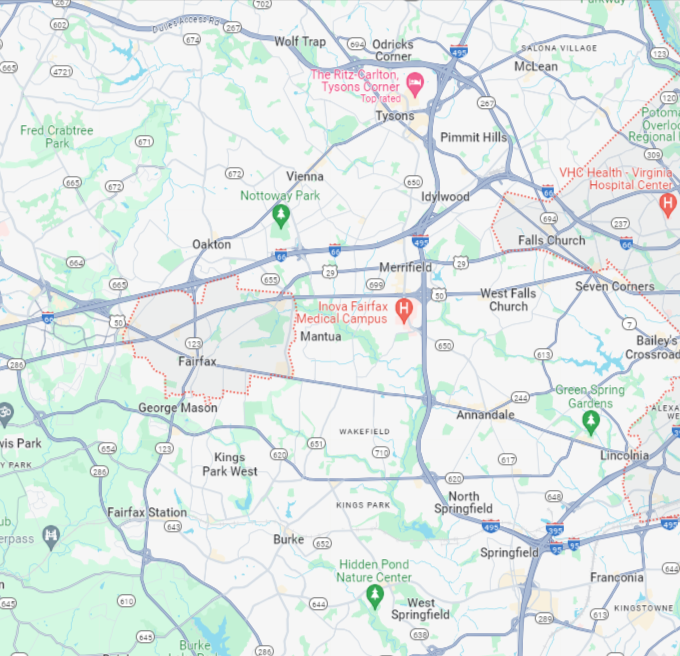
Fairfax County Emergency Rental Assistance Program
The Fairfax County Emergency Rental Assistance Program is a crucial resource designed to provide financial aid to individuals and families who are struggling to pay their rent due to the COVID-19 pandemic. In light of widespread job losses and financial hardships, this program aims to prevent homelessness and support those in need within the Fairfax County area. This article will outline the key details, eligibility requirements, and application process for the Fairfax County Emergency Rental Assistance Program.
I. What is the Fairfax County Emergency Rental Assistance Program?
The government of Fairfax County established the Fairfax County Emergency Rental Assistance Program to provide financial assistance to eligible households facing rental challenges. Just like other non-profit programs, such as churches in the Fairfax County area, the program’s primary goal is to prevent eviction and homelessness by offering direct relief to tenants struggling to make rent payments.
II. Eligibility Requirements:
To be eligible for the Fairfax County Emergency Rental Assistance Program, applicants must meet certain criteria. The following requirements are taken into consideration when determining eligibility:
Income Criteria: Applicants must provide evidence of experiencing financial hardship, such as a job loss, reduced work hours, or significant medical expenses. Household income must be at or below 80% of the Area Median Income (AMI) for Fairfax County.
Residency: Applicants must be legal residents of Fairfax County and have a rental agreement or lease in their name.
Rental Arrears: To qualify for the program, applicants must have unpaid rent or utilities that are either due or in arrears.
Programs
Fairfax County Rental Assistance Program Eligibility
To apply for the Fairfax County Emergency Rental Assistance Program, applicants must follow a specific application process. The steps include:
Gather Required Documents: Applicants must gather essential documents such as proof of income, rental agreement or lease, utility bills, and documentation of financial hardship due to COVID-19.
Complete Application Form: Fill out the application form provided by the program, ensuring all
III. Application Process:
To apply for the Fairfax County Emergency Rental Assistance Program, eligible individuals and families must follow these steps:
Gather Required Documents: Before beginning the application process, gather the necessary documents, including proof of identity, proof of residency, proof of income, and documentation related to COVID-19 financial hardships.
Complete the Application: Visit the official Fairfax County Emergency Rental Assistance Program, the application form accurately, and provide all required information.
Submit Supporting Documents: Along with the completed application, submit all the required supporting documents mentioned in the guidelines. Depending on individual circumstances, this may include pay stubs, bank statements, unemployment documentation, or medical invoices.
Await Application Approval: Once the application and supporting documents are submitted, they will be reviewed by program officials. Eligible applicants will receive an approval notice detailing the amount of rental assistance they qualify for.
Disbursement of Funds: Approved applicants will receive the rental assistance funds directly, either by check or direct deposit. The funds can be used to pay rent or utilities, as specified in the program guidelines.
IV. Program Benefits and Assistance:
The Fairfax County Emergency Rental Assistance Program provides financial support to approved applicants to cover a variety of housing-related costs, including:
Rental Payments: The program offers assistance in paying for current or overdue rent, helping individuals and families avoid eviction and secure stable housing.
Utility Expenses: Eligible applicants can receive financial aid for utility bills, such as electricity, water, and gas.
Housing Stability Support: In addition to direct financial assistance, the program may offer counselling and support services to promote housing stability and financial well-being.
Conclusion:
The Fairfax County Emergency Rental Assistance Program is a valuable resource for individuals and families facing rent-related difficulties due to the COVID-19 pandemic. By providing financial support and counseling services, the program aims to help those in need maintain housing stability and prevent homelessness. If you or someone you know meets the eligibility criteria, it is highly recommended that you explore this program and apply for assistance. Remember, staying informed and seeking support is crucial during these challenging times.
Understanding Virginia’s Emergency Rental Assistance Program (ERAP) and Its Benefits
The Virginia Rent Relief Program (RRP) aims to ensure housing stability across the Commonwealth during the ongoing coronavirus pandemic by providing financial assistance to qualifying families.
Overview of the Virginia Rent Relief Program (RRP)
The Virginia Rent Relief Program (RRP) provides financial aid for rent payments, including past-due rent, with the possibility of renewal based on funding availability and household needs. This assistance is non-repayable.
Answers to Commonly Asked Questions About the Program
Key Features of RRP
Available to both tenants and landlords through a single application process.
Support is accessible via the RRP Support Center at 1-833-RENT-RELIEF (1-833-736-8735).
Applications can be monitored through Gov2Go or by contacting the Support Center.
Emergency eviction assistance is available by calling 1-833-NOEvict (1-833-663-8428) or visiting evictionhelpline.org.
Important Deadlines
New applications were no longer accepted as of May 15, 2022, at 11:59 p.m. Applications submitted before this date will be processed based on priority criteria, such as:
Household income below 50% of the Area Median Income (AMI).
At least one household member unemployed for 90 days prior to application.
As of March 31, 2022, the program had delivered nearly $713 million in rent relief to over 141,330 households statewide.
Prioritization Criteria
The RRP focuses on serving economically disadvantaged communities and ensuring equitable rent assistance distribution:
Priority for households at risk of eviction, earning ≤ 50% of AMI, or with prolonged unemployment.
By July 2021, over 79% of households served earned ≤ 30% of AMI, and 67% had children under eight.
Efforts to assist minority-led households: 52% of beneficiaries were black-led households, compared to 23% white-led households.
Local Initiatives in Chesterfield and Fairfax Counties
Chesterfield and Fairfax Counties operate unique rent relief programs tailored to their communities. Notable details include:
Chesterfield County: Managed by ACTS, the program has paused new applications but continues distributing available funds. Contact the Chesterfield-Colonial Heights Department of Social Services for updates.
Fairfax County: Implements its distinct emergency rental assistance programs; residents should reach out to local authorities for information.
Resources and Outreach
The RRP Outreach and Engagement grant aims to help households and landlords with limited internet access or language barriers. Resources include:
Don’t wait until it’s too late. Get the help and resources you need to protect your home and rights. The Eviction Defense Center is here to support you every step of the way.
The importance of one’s own home has never been greater. Our houses have always been a safe haven for us, but in the midst of the COVID pandemic, they have also functioned as our virtual classroom, workplace, marketplace, and gathering place.
Although moratoriums have protected tenants from eviction and temporary assistance has helped some tenants afford rent payments, bills continue to pile each month, leaving families unsure how they will pay arrears and landlords without income. Some tenants received assistance, while others did not.
Those Who We Serve
Due to the COVID pandemic, many Kansans, notably those in Wichita, have had difficulty paying or collecting rent, utilities, or internet service. These Kansans receive aid from KERA.
Funding Source(s)
The Kansas Emergency Rental Assistance (KERA) program is funded by the federal Coronavirus Response and Relief Supplemental Appropriations Act of 2021 and the American Rescue Plan Act of 2021. The majority of these money will be disbursed through the KERA program, which Governor Kelly has authorized the Kansas Housing Resources Corporation (KHRC) to administer.
A Comprehensive Program Outline
The Kansas Emergency Rental Aid (KERA) program assists homes that have fallen on hard times financially due to the COVID pandemic by assisting with rent payments, energy bills, and internet access. Tenants and landlords will both submit their applications online. If the applicant’s request is approved, the landlord or service provider will receive funding directly from KERA and credit the applicant’s account accordingly. Successful applicants may be eligible for financial assistance for up to 18 months.
The Eligibility Criteria
To be considered, applicants must meet all of the following requirements:
Tenant rents their home.
In either 2020 or 2021, the tenant’s household income did not exceed 80% of the median income in their area.
During the COVID pandemic, at least one member of the leased household had poor financial difficulties. Employment loss, a decrease in household income, or significant COVID-related expenses (such as medical bills, the cost of personal protective equipment, the cost of child care, equipment or internet costs to enable online work or schooling, and so on) can all contribute to a person’s level of hardship.
At least one member of the renter household is unsure where they will live or is at risk of being homeless if they do not receive housing assistance.
The applicant is able to provide valid identification.
The applicants must not have received assistance from any other organizations for the identical costs and time period for which they are seeking KERA assistance.
The Application Procedure
Both the landlord and the tenant must complete their respective online certifications at the same time.
Both the landlord and the tenant are notified when an application is handled.
If the application is approved, KHRC will send the funds directly to the landlord and/or service provider (s).
The landlord and/or the service provider apply the aid to the tenant’s account (s).
APPLY NOW
What is the scope of aid?
Up to 18 months of unpaid household rent, current and previous.
Even if the household does not have rental arrears, you can borrow up to three months of estimated household rent at a time.
Residential utility or home energy bills that are past due for tenants (electric, gas, water, sewer, and trash services), even though the family does not have rental arrears.
Past due or expected internet charges for tenants, paid in one lump sum of $900 if the tenant household is also eligible for assistance with past-due rental or utility payments.
Additional payments associated with past-due rent or utility bills, such as reasonable late fines, rental security deposits, application or screening costs, pet fees, utility fees, parking fees, garage fees, and/or legal fees, may be repaid.
Please keep in mind that all expenses must have been billed or charged by April 1, 2020, or later.
What are rental assistance programs in Louisville, KY and how do they help?
Rental assistance programs in Louisville, KY help eligible low-income households stay housed by offering financial support, vouchers (like Section 8), and community-based emergency aid. If you’re behind on rent or at risk of homelessness, Louisville rental assistance options may help stabilize your housing while you work through a longer-term plan.
Section 8 (Housing Choice Voucher): A federal rental assistance program that provides eligible households with a voucher, with part of the rent paid directly to a participating landlord.
Homeless (program definition): Generally refers to individuals without a fixed, regular, and adequate nighttime residence, including those staying in shelters, motels/hotels, or doubled up due to economic hardship (depending on program rules).
Proof of Income: Documents (like pay stubs, tax returns, or benefits statements) used to verify household income and determine eligibility for rental assistance programs.
Rental Assistance Programs in Louisville, KY: A Closer Look
Rental assistance programs in Louisville, KY provide financial support to low-income individuals and families who are struggling to pay their rent. These programs are designed to help prevent homelessness and ensure that individuals have access to safe and stable housing.
One of the main rental assistance programs in Louisville is the Louisville Metro Housing Authority’s Housing Choice Voucher Program, also known as Section 8. This program provides eligible participants with vouchers.
Rental assistance Louisville, KY programs may include vouchers and emergency rent support to prevent homelessness.
Jefferson County, KY Housing Context for Louisville Rental Assistance
Jefferson County, Kentucky, the most populous county in the state, is home to a diverse population. According to the latest available data, as of 2020, the population of Jefferson County was approximately 767,216 individuals. This makes Jefferson County the most populous county in Kentucky, accounting for about 16% of the state’s total population.
In terms of median income, the statistics for Kentucky as a whole indicate that the median income for the state was $52,295 in 2020. However, it is important to note the disparity between metropolitan and non-metropolitan areas. In metropolitan areas of Kentucky, the median income was $53,195, slightly higher than the state median.
Louisville, KY Rental Assistance Eligibility Criteria
To be eligible for rental assistance in Jefferson County, Kentucky, individuals must meet certain criteria set by the federal assistance program. The program defines “homeless” as individuals who lack a fixed, regular, and adequate nighttime residence or those who are residing in a temporary shelter. This includes people staying in motels, hotels, or those who are doubled up with friends or family due to economic hardship.
To qualify for rental assistance, individuals must demonstrate that they are unable to afford housing without assistance. This could include individuals whose income is below a certain threshold or those who are experiencing financial hardship. Documentation of income and financial circumstances may be required as part of the eligibility process.
Various types of housing situations may qualify for rental assistance, such as renting an apartment, a house, or even a mobile home. The assistance program aims to provide affordable housing options to those in need, ensuring that individuals have a safe and stable place to live.
Additionally, applicants may need to provide additional documentation, such as identification, proof of residency, and social security numbers for all household members, to verify their eligibility for rental assistance. It is essential to carefully review and follow the specific requirements and guidelines of the federal assistance program and Jefferson County, Kentucky, to determine eligibility for rental assistance.
Applying for financial assistance to pay rent in Louisville, KY often requires proof of income, ID, and housing documents.
Need help confirming Louisville rental assistance eligibility or preparing documents? Get support before you submit so you don’t lose time on avoidable issues.
Documentation Checklist for Louisville Rent Assistance Applications
Documentation needed for application
To complete the application process, it is crucial to have all the necessary documentation readily available. The required documentation includes picture ID for all household members aged 18 and older. This could be a driver’s license, passport, or any other government-issued identification card. For individuals without social security numbers, proof of Individual Taxpayer Identification Numbers (ITIN) is necessary.
Additionally, proof of age is required for children under 2 years old or for self-declared undocumented persons. Birth certificates or any official documents providing proof of age would suffice. Furthermore, it is essential to provide proof of all household income. This includes pay stubs, bank statements, or any other documents indicating the total income of each member of the household.
Furthermore, applicants are required to submit a copy of the most recent lease or rental agreement as a means of verification. This document is necessary to confirm the housing situation of the applicant. In case the landlord is not already in the rent assistance system, a completed W-9 form must be included.
In summary, when applying, ensure that the following documentation is included: picture ID for all household members aged 18 and older, proof of social security or ITIN numbers, proof of age for children under 2 years old or self-declared undocumented persons, proof of all household income, a copy of the most recent lease or rental agreement, and a completed W-9 form for landlords not already in the rent assistance system.
Eligibility requirements for financial assistance often include ID, proof of residency, lease details, and income verification.
Choose your path: Which situation fits you best?
Beginner: Applying for the first time Intermediate: Missing a document / need replacements Advanced: Landlord W-9 / verification issues
Proof of Income Requirements for Louisville Rental Assistance
When applying for certain financial services or assistance programs, proof of income documents are often required. These documents serve as evidence of a person’s or household’s income and are crucial for determining eligibility and assessing financial needs. To ensure a smooth application process, it is important to gather all necessary proof of income documents.
Commonly requested proof of income documents include:
Pay stubs: These are documents provided by employers that detail an individual’s earnings, hours worked, and deductions.
Tax returns: Typically, the most recent two years of tax returns are requested as they provide a comprehensive overview of an individual’s income.
Bank statements: These documents show the flow of money into an individual’s bank account and can help verify regular income through sources such as dividends or interest.
Social Security benefits statements: For those receiving social security benefits, it is important to provide statements that demonstrate the amount received.
Keep in mind that all household income must be documented. This includes income from all wages.
Louisville, KY Rental Assistance Resources and Next Steps
Resources
There are several rental assistance programs available in Louisville, KY to support individuals and families in need.
1. St. Matthews Area Ministries: This program provides emergency financial assistance for rent to residents of the St Matthews area who are facing a crisis. It aims to prevent homelessness by offering short-term aid to individuals and families who are experiencing a temporary setback.
2. Neighborhood Place South Central Rent Assistance: This program offers rental assistance to low-income families and individuals residing in the South Central area of Louisville. It is designed to help prevent evictions and homelessness by providing financial aid to those who qualify.
3. Shively Area Ministries Rent Assistance: Shively Area Ministries provides rental assistance to individuals and families living in the Shively area of Louisville. The program aims to stabilize housing situations for those facing financial hardships, helping them avoid eviction and maintain their homes.
4. Highlands Community Ministries Rent Assistance: This program provides rental assistance to low-income residents in the Highlands community of Louisville. It helps individuals and families experiencing a crisis situation by providing financial aid towards their rent, preventing homelessness, and promoting housing stability.
5. Neighborhood Place Rent Assistance: Neighborhood Place offers rental assistance to eligible individuals and families who are facing eviction or homelessness in Louisville. The program aims to address immediate needs by providing financial aid towards rent payments, thereby preserving housing stability and preventing individuals from entering the homeless system.
Common Questions About Rental Assistance in Louisville, KY
How do I apply for rental assistance programs in Louisville, KY?
Start by confirming eligibility, then gather required documents (ID, lease, and proof of income). Many programs require an application through the administering agency or partner organization—follow their submission instructions carefully.
What if I’m missing documents like pay stubs or a lease copy?
Request replacements from your employer, benefits provider, bank, or landlord. If you can’t obtain a document, include alternative proof (like bank deposits) and a short explanation note.
Does Louisville rental assistance help with back rent (arrears)?
Some programs may help with arrears or short-term rent support depending on funding and eligibility. Ask the program directly what costs are covered (rent, deposits, utilities, or late fees).
How do Section 8 vouchers work in Louisville, KY?
With Section 8, an eligible household receives a voucher and then searches for housing with a landlord who will participate. The housing must meet program requirements, and part of the rent is paid via the program.
What if I’m facing eviction right now?
Seek immediate local help and legal/tenant support resources. If you have an eviction notice, include it in your application packet and contact programs that specifically focus on eviction prevention.
Get Help With Rental Assistance Programs in Louisville, KY
If you’re trying to stabilize housing in Jefferson County, a guided plan can reduce stress and speed up your next steps.
Confirm eligibility for Louisville and Jefferson County rental assistance
Organize income, ID, and lease documents correctly
Understand Section 8 basics and local nonprofit options
What Rental Assistance Programs Are Available in Lexington-Fayette County?
Lexington-Fayette Urban County offers several rental assistance programs for residents experiencing financial hardship, including emergency financial assistance, support for homeless families with children, senior rent assistance, and housing programs funded through Community Development Block Grants. Eligibility requirements and assistance amounts vary by program.
Lexington-Fayette Urban County offers several housing assistance programs designed to help renters and families facing financial hardship.
Housing costs continue to challenge many households throughout Fayette County. To help prevent evictions and promote housing stability, Lexington-Fayette Urban County and its community partners administer several rental assistance programs that provide emergency financial support to eligible residents.
These programs target different populations, including seniors, homeless families with school-age children, and households experiencing temporary financial emergencies. Depending on the program, assistance may include rent payments, security deposits, utility assistance, and help with housing application fees.
Lexington-Fayette Rental Assistance Program Entity Map
Lexington-Fayette Urban County GovernmentAdministers local housing and community programs.
Lexington Senior CenterProvides support services and rental assistance for seniors.
Goodwill Industries of KentuckyPartner organization assisting homeless families.
Fayette County Public SchoolsPartner agency supporting homeless students and families.
Kentucky 211Community referrals and emergency housing resources.
Community and Resident ServicesEmergency assistance and housing stabilization services.
Current Lexington-Fayette Rental Assistance Programs
Assistance for Homeless Families
This program helps homeless families with children enrolled in Fayette County Public Schools secure stable housing by assisting with the first month’s rent and security deposits. The program operates through partnerships with community organizations and local schools.
Senior Rental Assistance
Senior residents of Fayette County may qualify for assistance with past-due rent. Eligible seniors can receive up to $500 in rental assistance through the Lexington Senior Center, subject to funding availability and program requirements.
Emergency Financial Assistance
Emergency financial assistance is designed to prevent evictions and utility disconnections for households facing temporary hardships. Residents may schedule appointments by calling (859) 300-5300.
Must have lived in Fayette County for at least one year.
Cannot have received Community and Resident Services assistance during the previous three years.
Must provide an eviction notice, disconnect notice, or proof of being at least 30 days past due.
Community Development Block Grant Programs
Federal Community Development Block Grant funding may help eligible households with certain housing expenses, including application fees and other approved housing costs. Households generally must earn at or below 80 percent of the Area Median Income.
Senior Assistance Available
Up to $500
Eligible seniors may qualify for up to $500 in back rent assistance through local support programs.
Documents Needed for Lexington-Fayette Rental Assistance
Applicants may need to provide the following documentation:
Proof of Fayette County residency.
Government-issued photo identification.
Social Security cards for household members.
Current lease agreement or mortgage documentation.
Proof of household income.
Eviction notices or utility disconnect notices.
Documentation showing rent or mortgage delinquency.
Pro Tip from the Editorial Team: Gather all required documents before contacting an assistance agency. Incomplete applications are one of the most common reasons for delays in receiving emergency housing assistance.
Need Rental Assistance in Kentucky?
Search for housing programs, emergency financial aid, and utility assistance resources available in your area.
If you are struggling to pay rent, utility bills, or other housing expenses, help may still be available through local programs and nonprofit organizations serving Fayette County.
The Emergency Rental Assistance (ERA) program was created when countless families were on the edge of losing their homes. The pandemic caused sudden job losses, bills piled up, and the threat of eviction became very real. To prevent a nationwide housing disaster, Congress rolled out federal funding in two major waves of rental support.
If you’re trying to understand what ERA was, what’s still available, and where to turn now, here’s what you need to know.
How the Emergency Rental Assistance Program Started
The money came in two rounds:
ERA1: Established under the Consolidated Appropriations Act of 2021, this first round provided $25 billion in rental aid. The U.S. Department of the Treasury distributed the funds with oversight from the Government Accountability Office (GAO).
ERA2: Created under the American Rescue Plan Act of 2021, this second round added $21.55 billion for longer-term rental support and housing stability.
Together, ERA1 and ERA2 added up to nearly $47 billion—the largest housing stability investment in U.S. history.
Impact and Use of ERA Funds
By mid-2023, about 87% of all ERA funds had been used (National Low Income Housing Coalition). These funds prevented mass evictions, paid off rent debt, and gave landlords financial relief.
ERA1 largely ended by late 2022.
ERA2 is set to end September 30, 2025, unless Congress extends it.
Current State of the ERA Program
Most ERA programs are now closed to new applications. For example:
New York State’s ERAP closed January 20, 2023.
Texas and California shut down applications in 2022 due to overwhelming demand.
Launched in 2021 by HUD, the Emergency Housing Voucher program provided 70,000 vouchers for people most at risk of homelessness, survivors of domestic violence, and those exiting homelessness. Funding may run out by mid-2026 without Congressional renewal (The Washington Post).
2. Section 8 Housing Choice Vouchers
The Section 8 program remains the largest federal rental support option. Local Public Housing Agencies (PHAs) run it with HUD funding. But:
Waitlists are often years long.
Some PHAs have closed applications due to high demand.
Still, Section 8 vouchers are one of the few long-term rental support programs.
3. State and Local Resources
Other support may come from:
211 Hotlines: Dial 2-1-1 or visit 211.org for rental and utility assistance referrals.
Community organizations: Nonprofits and legal aid groups often provide emergency housing grants and advocacy.
Local aid funds: Some cities and counties still provide emergency housing relief.
A federal program that provided nearly $47 billion in emergency rental help during COVID-19 through ERA1 and ERA2.
Is ERA still available in 2025?
Most programs are closed. ERA2 remains active until September 30, 2025, if your local housing authority still has funds.
Who qualified for ERA?
Households earning below 80% of area median income, facing housing instability or eviction, and showing COVID-related financial hardship.
What’s the difference between ERA and Section 8?
ERA was temporary emergency relief. Section 8 is a permanent federal program for long-term rental support.
What if I missed the ERA window?
Apply for Section 8 or Emergency Housing Vouchers if available, call 2-1-1, or seek help from nonprofits and legal aid services.
Conclusion
The Emergency Rental Assistance program kept millions of renters housed and stabilized landlords during the pandemic. While most ERA funds are gone, ERA2 ends September 30, 2025, and other programs like Section 8 and EHVs may help if you act now.
What is Rental Assistance Maryland, and who may be eligible?
Rental Assistance Maryland refers to programs that help eligible renters avoid eviction by covering past-due rent (and sometimes utilities) when financial hardship makes payments difficult. Eligibility typically depends on income limits (often tied to Area Median Income (AMI)), documented rental arrears, and meeting program requirements set by the administering agency or local jurisdiction.
Rental Assistance Maryland, MD: What It Is and Who Is Eligible
Application view: what Maryland renters typically need to complete for rental assistance (eligibility + documents).
Rental Assistance Maryland, MD: What is it and Who is Eligible?
Rental Assistance in Maryland serves as a crucial lifeline for individuals and families facing housing insecurity.
Rental Assistance in Maryland provides rental assistance to eligible applicants, helping them avoid eviction and maintain stable housing. To qualify for Rental Assistance in Maryland, individuals must meet specific eligibility criteria set by the program.
By exploring the details of ERAP Maryland and understanding who is eligible to receive assistance, individuals can access vital resources to secure their housing stability.
ERAP (Emergency Rental Assistance Program): A rental assistance program structure funded federally and administered by states and localities to help eligible households pay rent (and often utilities) during hardship.
AMI (Area Median Income): A HUD-linked benchmark used to set income eligibility thresholds (for example, households under a percentage of the area median income).
Rental arrears: Past-due rent you owe your landlord—often a key requirement when applying for Rental Assistance Maryland.
How to Apply for Rental Assistance in Maryland Online
Step-by-step flow: a practical way to approach the Maryland rental assistance application process.
Navigating the Application Process for Rental Assistance in Maryland, MD
Navigating the application process for the Rental Assistance Program in Maryland can be a crucial step toward securing much-needed financial support for renters facing hardships. Understanding how to apply for rental assistance in Maryland, the required documents and the online application process are essential to streamline your path to assistance.
To successfully apply for rental assistance in Maryland, applicants must gather necessary documents such as proof of income, rental arrears documentation, and identification. These documents play a vital role in validating eligibility and expediting the application process.
Online applications have simplified the application process, offering convenience and accessibility to applicants. By utilizing online platforms provided by Maryland’s Rental Assistance program, individuals can efficiently submit their applications from the comfort of their homes.
Navigating through the Rental assistance application process in Maryland requires attention to detail and adherence to guidelines. By understanding how to apply, preparing essential documents, and utilizing online resources effectively, applicants can navigate this vital assistance program with confidence.
A Portal for Housing Assistance Program Applications
The Emergency Rental Assistance Program’s Social Media Resource Guide
ERAP Maryland Assistance Prioritization Rules and What They Mean for You
Assistance Prioritization
Legislation passed by the US Treasury, the state of Maryland is obligated to give priority in ERAP funding to the following two groups:
HUD considers low-income households to be those having an annual income that is equal to or less than half of the area’s median income (AMI).
Households in which one or more members are unemployed at the time of the ERAP application AND who have not worked in the preceding three months are eligible for the program.
Local government initiatives in Maryland that receive Rental assistance financing from the state must first process and approve applications for assistance from these two types of groups. When all applications from priority groups have been assessed and accepted, the programs will begin assessing and approving applications from other eligible households.
Tenants in properties that provide income-based housing and/or have a high proportion of tenants with incomes less than 50% of the area median income (AMI) receive priority help through bulk tenant rent relief programs funded by Rental Assistance Maryland monies made available by the State of Maryland. Among the characteristics are:
Complexes d’habitation qui ont bénéficié de l’aide du DHCD (such as low-income housing tax credit properties)
Programs run by public housing authorities, such as Public Housing, Housing Choice Vouchers/Section 8, and so on
Properties classified as multifamily housing Class C and D that are located in census tracts are identified by the Urban Institute as having a significant demand for rental assistance. Families with lower incomes sometimes reside in properties classified as Class C and Class D.
Deadlines, Status Tracking, and What Happens After You Apply
Deadline readiness: submit early, upload complete documents, and respond quickly to follow-up requests.
After you submit a Maryland rental assistance application, your case may move through intake, document review, eligibility verification, and (if approved) payment processing. Most delays come from missing proof documents, mismatched lease details, or unanswered portal messages—so keep copies of uploads and monitor your email/portal regularly.
Track communications: watch for portal notifications and emails requesting corrections or additional proof.
Confirm landlord details: incorrect payment info can stall disbursement.
Save your submission proof: screenshots/receipts help if you need to follow up.
Need Support? Maryland Rental Assistance Phone Help and Next Steps
Need support?
Dial 877-546-5595 to reach the Maryland Emergency Rental Assistance Call Center.
Monday through Friday from 8 AM to 7 PM
Saturday hours are 9 a.m. to 4 p.m.
Common questions about Rental Assistance Maryland
What documents do I need to apply for rental assistance in Maryland?
Typically proof of income, identification, lease documentation, and proof of rental arrears. Uploading complete documents upfront can speed review.
Who gets priority in ERAP Maryland processing?
Priority commonly goes to households under 50% of AMI and households with a qualifying unemployment status (as described in program rules/guidance).
Is Rental Assistance Maryland only for renters?
Most programs are renter-focused, but landlords/property managers may also participate depending on the jurisdiction and portal process.
What if I’m missing a document?
Submit what you have, then respond quickly to any follow-up requests. Missing documents are one of the most common reasons applications stall.
Where can I apply online for Maryland rental assistance?
The Minnesota – Emergency Rental Assistance Program (ERAP) was created to aid tenants in Minnesota who are in danger of losing their housing due to the COVID-19 outbreak, as well as to reimburse property owners for late rent payments. If you have fallen behind on your rent payments, we can help you catch up. Determine your eligibility and begin filling out the application as soon as possible.
RentHelpMN applications are not being accepted at this time.
Your application will be considered if it is received on or before the deadline of January 28th. Requests that match the criteria will be processed if funds are available.
Local households who qualify for the Emergency Rental Aid (ERA) program in Washington County may be eligible to receive assistance. For more information, go to the program’s website.
Do you need assistance paying your bills?
The Energy Assistance Program provides financial assistance to people in need of utility expenses. Apply no later than May 31, 2022.
Continue scrolling down the page to see more community resource links.
RentHelpMN protects you against getting evicted from your home.
If you are a tenant who is about to be evicted because you have not paid your rent, Minnesota – Emergency Rental Assistance Program (ERAP) is a safeguard. Renters who are served with an eviction notice must still respond and appear in court to show evidence supporting their motion. Minnesota Housing staff workers attend court proceedings to provide information to all parties involved. More information on the eviction process and how to defend yourself can be found at homelinemn.org.
If I have any questions, who should I contact?
There are experienced operators available to answer any questions you may have about your eligibility, bills, or documentation, or to arrange a reasonable accommodation for you.
Call 211 as soon as possible.
Portal for Renters
If you have already applied, you can check the status of your application and upload any supporting papers on this page.
Portal for Landlords
In this section, you can register your properties and respond to tenant applications.
Other readily accessible materials
A variety of groups have received funds for housing and other sorts of assistance as part of the COVID-19 relief money.
The Energy Assistance Program provides financial assistance for the payment of heating expenditures as well as heating system repairs. It is also possible to call 800-657-3710 and press 1. The deadline for application submission is May 31, 2022.
The Cold Weather Rule (CWR) is a Minnesota state law that prohibits residential utility customers from having their electric or natural gas service disconnected between October 1 and April 30. The law applies to electric and natural gas utility customers.
The federal government provided cash to some tribal governments so that they may operate their own housing assistance programs. If you are receiving services from a Native American tribe in Minnesota, you should contact that tribe directly for more information.
View the RentHelpMN educational webinar hosted by Minnesota Housing to learn more about the program and how to apply.
Homeowner relief is on the horizon. Register to receive email updates on the availability of mortgage assistance.
If you want to speak with a non-profit homeownership expert who can help you through your current situation, contact the Minnesota Homeownership Center.
Those who qualify for the Affordable Connectivity Program receive financial help.
If you are a disabled Minnesota resident, Housing Benefits 101 is a resource that can help you learn more about the programs and opportunities that support your housing needs and aspirations.
The application procedure for benefits in Minnesota, including financial aid, food assistance, temporary housing, and child care support, has been streamlined. The application is available online and may be completed in under twenty minutes.
If you are already homeless, at risk of becoming homeless, or do not have a place to stay for an extended length of time, contact your area Coordinated Entry “front door” for further possibilities.
Last updated: August 2026, Program status corrected to reflect closure as of March 1, 2026.
Quick Answer
The Georgia Mortgage Assistance Program stopped accepting new applications on March 1, 2026. It helped nearly 12,000 Georgia homeowners avoid foreclosure by providing grants for past-due mortgage payments, a HAF refinance loan option, and one-on-one housing counseling. Homeowners who submitted complete applications before March 31, 2026 at 11:59 p.m. were still being reviewed at program close, and should monitor georgiamortgageassistance.ga.gov for updates. Georgia renters who need help staying housed can apply through the separate Georgia Rental Assistance program.
Applying for mortgage assistance in Georgia, what you need to know before you start
What Was the Georgia Mortgage Assistance Program
The Georgia Mortgage Assistance Program was a state initiative funded through the federal Homeowner Assistance Fund (HAF), established under the American Rescue Plan Act of 2021. Georgia received approximately $354 million in HAF funding to help homeowners who experienced financial hardship after January 21, 2020, the program closed to new applications on March 1, 2026, after helping nearly 12,000 homeowners and preventing over 1,600 foreclosures statewide.
Administered by the Georgia Department of Community Affairs (DCA), the program paid assistance directly to mortgage lenders and servicers on the homeowner’s behalf, no cash changed hands with the borrower. A HAF refinance loan, added as a statewide option in 2025, was scheduled to run through September 2026 or until funds ran out, whichever came first. Homeowners who submitted complete applications before March 31, 2026 at 11:59 p.m. were still being processed at program close.
Georgia renters facing housing instability should use the state’s separate Georgia Rental Assistance program, the two programs served distinct populations with different funding sources. For context on how pandemic-era housing relief programs have wound down across the country, the COVID-19 housing relief overview covers the national picture.
Types of Assistance the Program Offered
The program provided three forms of grant assistance, which could be combined up to a maximum of $50,000 per household:
Mortgage Reinstatement: a one-time grant to bring a delinquent loan current, covering past-due principal, interest, taxes, insurance, and certain fees. Paid directly to the servicer.
Mortgage Payment Assistance: temporary grant payments covering future monthly mortgage payments for a defined hardship period, also paid directly to the servicer.
HAF Refinance Loan: a long-term solution added statewide in 2025 for homeowners who needed a structural fix rather than short-term relief. Funds were finite; this component closed when exhausted or by September 2026.
All approved homeowners also received one-on-one housing counseling through the program, a HUD-certified counselor worked with each household on budgeting, credit, and a recovery plan. The counseling was not optional; it was built into the assistance process.
Georgia renters facing similar instability can find support through the alternatives to eviction guide, which covers options available statewide for tenants rather than homeowners.
Note on Program Status
The Georgia Mortgage Assistance Program closed to new applications March 1, 2026. If you applied before that date and have not received a determination, contact DCA Customer Service at georgiamortgageassistance@dca.ga.gov or call during business hours (Monday through Friday, 8:00 a.m. to 5:00 p.m.).
Need housing assistance in Georgia? Find out which programs are currently available.
Owner-occupancy. The home had to be your primary residence. Investment properties, vacation homes, and second mortgages were excluded.
A qualifying financial hardship after January 21, 2020. Documented job loss, income reduction, unexpected medical expenses, or a comparable setback tied to the pandemic period. The hardship had to be documented, a termination letter, medical bills, or another verifiable record.
Ability to resume payments. The program targeted temporary hardship, not permanent inability to pay. Applicants needed a realistic path back to covering their own mortgage.
Income Limits
For the HAF Grant: household income had to be at or below 100% of Area Median Income. For homeowners classified as socially disadvantaged, the limit was 150% AMI. Most HAF recipients nationally, 85%, had incomes below AMI, and over half earned less than 50% AMI. The program prioritized those with the greatest financial need.
Georgia Mortgage Assistance Program eligibility requirements and documentation overview
How the Application Process Worked
Applications were submitted entirely online through the Georgia Mortgage Assistance portal. The process required coordination between the homeowner, their loan servicer, and DCA. Servicer participation was essential, lenders holding loans for non-participating servicers were ineligible.
Contact your loan servicer first to verify participation and confirm the type of assistance you need, reinstatement, payment assistance, or refinance loan. A servicer referral to the program did not guarantee eligibility.
Gather documents before starting the application: government-issued photo ID, proof of income for all household members (recent pay stubs or tax returns), your most recent mortgage statement, property deed or proof of ownership, and hardship documentation (termination letter, medical bills, or comparable records).
Submit a complete application package through georgiamortgageassistance.ga.gov. Incomplete submissions were the most common cause of processing delays.
After submission, applicants received a determination within a few weeks for complete files. Urgent cases, where foreclosure proceedings had already begun, could request expedited review.
Is the Georgia Mortgage Assistance Program still accepting applications?
No. The program closed to new applications on March 1, 2026, due to high volume and limited funding. Homeowners who submitted complete applications before March 31, 2026 at 11:59 p.m. were still being reviewed at program close. Check georgiamortgageassistance.ga.gov for the current status of pending applications, or contact DCA Customer Service Monday through Friday, 8:00 a.m. to 5:00 p.m.
Can renters use the Georgia Mortgage Assistance Program?
No. This program was for homeowners with a qualifying mortgage on a primary residence. Renters should apply through the separate Georgia Rental Assistance program at georgiarentalassistance.ga.gov.
What documents were required to apply?
Government-issued photo ID; proof of income for all household members (pay stubs, tax returns, or benefit statements); your most recent mortgage statement; property deed or other ownership verification; and hardship documentation, a termination letter, medical bills, or a comparable record showing the specific financial setback. Your servicer or a HUD-certified housing counselor could provide a checklist specific to your loan type.
How much assistance could a household receive?
Grant assistance could be combined across program types, up to a maximum of $50,000 per household. The specific amount depended on the type of assistance approved, reinstatement, payment assistance, or refinance loan, and the household’s documented need. Funds went directly to the servicer or vendor, not to the homeowner.
What options exist for Georgia homeowners now that GMA is closed?
Contact your loan servicer directly about forbearance, loan modification, or repayment plan options, these are independent of HAF funding. A HUD-approved housing counselor can help you understand what your servicer is required to offer. Find a certified counselor through the CFPB housing counselor locator or call 800-569-4287. Georgia’s housing assistance directory also lists active programs.
Still Looking for Housing Help in Georgia?
The Georgia Mortgage Assistance Program has closed, but other resources remain available for homeowners and renters across the state.