Home Blog Page 19

Harford County – Emergency Rental Assistance Program (ERAP)

0

Information regarding ERAP

Eligibility

As a matter of priority, help will be provided to eligible households in whom at least one member has been unemployed for the preceding three months, as well as those with incomes that are at or below fifty percent of the median for the area in which they live.

Assistance Is Available

Assistance Is AvailableHomes that qualify for assistance could receive it for a period of up to a year. The settlement of current housing-related arrears that could lead to the eviction of an eligible household is given priority. This ensures that the household does not lose its home.

Harford County, Maryland Area Median Income as of 4/1/2020

Household Size 1 2 3 4 5 6 7 8
80% Median Income ($) 54,950 62,800 70,650 78,500 84,800 91,100 97,350 103,650


Contact us for more information regarding the Emergency Rental Assistance Program (ERAP).

Community Case Administration (CCM)

Samantha Cruz, Coordinator of Programs

Way 1321 Woodbridge Station

P: 443-402-0326

F: (443) 922-9416

FAQ

Emergency Rental Assistance Program

Emergency Rental Assistance ProgramHCAA is providing rental assistance to households affected by the inflation Crisis to prevent evictions caused by the epidemic.

How much money can I anticipate receiving?

The assistance is delivered in the form of a direct payment to your landlord. The amount of aid granted can vary depending on your circumstances, however, it may cover up to a year’s rent.

Who are the people who can apply?

Priority will be given to eligible households with an income that is at or below fifty percent of the area’s median income and households that contain an individual who has been unemployed for ninety days previous to applying for help.

What if I previously applied for this program and was turned down?

You are highly encouraged to apply for ERAP regardless of whether your previous funding requests to the Harford County Government were accepted.

How can I go about submitting my application?

How can I go about submitting my applicationYou can either download the application or fill it out online. Documentation in the following categories must be provided by applicants:

  1. Income Verification
    • A declaration of the income lost as a result of inflation. Here are some samples of how this can look:
      • A letter from your employer stating that you were terminated due to a high cost of living.
      • Pay stubs indicating the reduction in hours worked (Before the inflation to after the inflation)
    • The three most recent pay stubs before the position was lost or reduced in size (For example, if you resigned from your employment on March 1, 2020, we’ll require the three most recent pay stubs because they were generated at that time.) PLEASE NOTE: If you have recently started a new job, we will additionally need the three most recent paystubs from that position.
    • Copy of the most current bank statement for each household member
    • W-2s and 1099s from the previous two years, as well as a self-certification form, are required

2. A notice of eviction or correspondence from your landlord informing you that your rent is overdue and the amount that is still outstanding on the rent If your rent is up to date but you are receiving an Emergency Assistance income reduction, you may be eligible to receive the rent for the current month.

3. A rental or lease agreement that has been completely signed and includes any addendums that may be required.

4. Photo identification for each adult resident of the home who is above the age of 18.

5. Confirmation that all members of the family have received their most recent benefits (such as unemployment or SNAP), if applicable

6. A recent utility bill in which your name, date, and address are all legibly printed (Example: BGE, phone bill, water bill)

Incomplete applications will not be processed.

Montgomery County Eviction Prevention Assistance in PA

0

With rising housing costs and economic uncertainty continuing into 2025, emergency housing support has become a crucial resource for many in Montgomery County, Pennsylvania. Whether you’re facing eviction or have experienced job loss, landlord tenant rental aid PA programs are designed to help keep you in your home through local and federal housing assistance initiatives.

This comprehensive guide will walk you through the process—from understanding eligibility to applying and accessing support services quickly.


Understanding Rental Assistance in Montgomery County
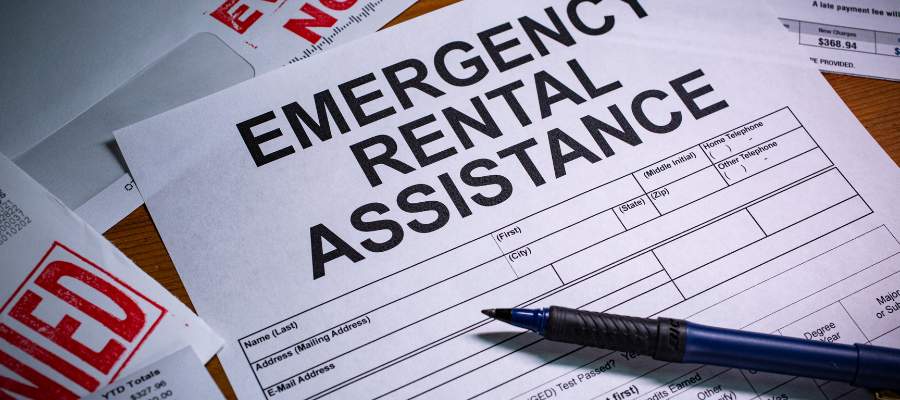
Understanding Rental Assistance in Montgomery County

What is Rental Assistance?

Rental assistance refers to financial aid provided to individuals and families who are struggling to pay rent due to hardship. This support can come from federal, state, or local programs, and may also include help with utilities and housing stability services.

The goal is to prevent eviction, reduce homelessness, and give renters time to regain financial stability through short- or medium-term assistance.

Why Rental Assistance is Important in 2025

As of 2025, Montgomery County residents are feeling the pinch of rising rental prices and inflation. Many working families, seniors, and low-income individuals are spending more than 30% of their income on rent, placing them at high risk of housing insecurity.

Without rental assistance, vulnerable households may be forced to choose between rent and essentials like food, medication, or childcare—a dilemma that has significant long-term consequences for community well-being.

The Impact of COVID-19 and Economic Recovery Programs

The COVID-19 pandemic led to a wave of unemployment and housing instability. In response, Montgomery County implemented programs like the Emergency Rental Assistance Program (ERAP), distributing millions in federal aid.

Though the immediate crisis has passed, many residents are still recovering financially. ERAP and related programs continue to bridge the gap for those behind on rent or utilities due to pandemic-related setbacks or ongoing economic challenges.


Available Rental Assistance Programs

Several rental and housing aid programs are available in Montgomery County. Each has unique eligibility criteria and application processes.

Emergency Rental Assistance Program (ERAP)

Overview
Montgomery County’s ERAP was designed to provide direct financial assistance to renters impacted by COVID-19 and its economic fallout. It helps cover past-due and upcoming rent, utility bills, and other housing-related costs.

Eligibility Criteria
To qualify for ERAP, you must:

  • Be a renter in Montgomery County, PA

  • Show income at or below 80% of the Area Median Income (AMI)

  • Demonstrate housing instability or risk of homelessness

  • Be impacted directly or indirectly by COVID-19 or another qualifying hardship

How to Apply
Applications can be submitted online or with assistance from a local housing navigator. Required documentation includes proof of income, a lease agreement, and a notice of overdue rent or eviction.

Apply via the MontcoPA Emergency Rental Assistance Portal.

Local Nonprofits and Housing Agencies

In addition to ERAP, local agencies play a critical role in delivering support, offering guidance, and connecting renters to services:

  • Your Way Home Montgomery County
    A leading housing initiative offering navigators, eviction prevention, and case management to low-income families and individuals.

  • Pottstown Cluster of Religious Communities (PCRC)
    Provides wraparound services including food assistance, housing counseling, and emergency rental aid in the Pottstown area.

  • Community Action Development Commission (CADCOM)
    Offers rental and utility assistance, especially for seniors and individuals with disabilities. Also provides workforce training and financial literacy education.

Utility and Housing Stability Services

These services go beyond rent payments to support comprehensive housing stability:

  • Utility Shut-Off Prevention: Programs can cover unpaid water, electricity, and gas bills, especially during the cold winter months or peak summer.

  • Legal Aid and Mediation: If you’re facing eviction, you may qualify for free legal support through organizations like Legal Aid of Southeastern PA, which can help delay or dismiss eviction proceedings and advocate for tenant rights.


Step-by-Step Guide to Applying

Step-by-Step Guide to Applying

Documents You Need

Before applying, gather the following:

  • Proof of identity (e.g., ID, driver’s license)

  • Lease or rental agreement

  • Documentation of past-due rent or utilities

  • Income verification (pay stubs, unemployment benefits, tax return)

  • Proof of hardship (e.g., job loss, medical bills)

These documents help speed up processing and ensure eligibility is quickly verified.

Online vs In-Person Applications

Online applications are convenient and processed through the county’s ERAP portal. However, if you lack internet access or need help, in-person applications are available through partner agencies like CADCOM and Your Way Home.

Housing Navigators can assist with:

  • Uploading documents

  • Explaining eligibility

  • Following up on pending applications

What Happens After You Apply

Once submitted, applications are reviewed within 10–21 business days. If approved:

If denied, you can appeal or get help from a caseworker to correct missing information.


Key Insights and Research

Key Data Point Source Insight
Over 3,000 households in Montgomery County received ERAP assistance by 2024 MontcoPA Shows high local demand and program reach
Rental assistance reduces homelessness by 40% HUD Study, 2023 Underscores the value of early intervention
Median rent increased 12% between 2020–2024 Zillow & PA Housing Report Highlights rising housing pressure in the region

These numbers reinforce the importance of continuing investment in housing assistance at both the local and federal levels.


Expert Quotes

Rental assistance programs are more than financial relief—they’re housing stability tools.
Liza Herzog, Director of Housing Initiatives, Your Way Home

Don’t wait until you’re behind—apply as soon as hardship begins.
John Mitchell, Case Manager, CADCOM

These insights from local housing leaders stress the proactive role of renters in seeking help early to avoid compounding issues.


Frequently Asked Questions (FAQs)

Who qualifies for rental assistance in Montgomery County?

Anyone renting in Montgomery County experiencing financial hardship, with income under 80% AMI, and a risk of eviction or utility shutoff, may qualify.

How long does it take to receive help?

The timeline varies, but most approved applicants receive aid within 3–4 weeks after submission, depending on document completeness.

Can I get assistance if I’m already facing eviction?

Yes. ERAP and legal aid programs prioritize cases where eviction is imminent. Apply immediately and contact a housing navigator for urgent support.

Is utility assistance included in rental aid?

Yes. Utility arrears for electricity, gas, water, sewer, and trash may be covered. Be sure to include utility bills and account numbers when applying.

What if I’ve already received help before?

You may still be eligible for additional rounds of aid if your hardship continues or worsens. Check with your caseworker or the county for updated limits.


Case Studies and Success Stories

Case Studies and Success Stories

Single Mother Avoids Eviction with Help from PCRC

Maria, a single mother of two, lost her job during the pandemic. Facing eviction, she connected with PCRC, who helped her secure three months’ rent and utilities. Today, she’s back at work and stable in her housing.

Elderly Tenant Receives Utility Assistance Through CADCOM

James, a 76-year-old retiree, fell behind on heating bills. CADCOM helped him apply for utility assistance and avoid a winter shutoff. They also connected him to senior services for ongoing support.

Local Landlord Praises ERAP for Protecting Tenants and Income

A Norristown landlord noted that ERAP payments helped keep responsible tenants in place, avoiding court costs and vacant units. “It was a win-win,” he shared.


Citations and References


Next Steps: What You Can Do Now

To take full advantage of the rental assistance resources in Montgomery County, follow these action steps:

  1. Check your eligibility: Use MontcoPA’s online tool or speak with a housing navigator.

  2. Gather documentation: Preparing early speeds up your application.

  3. Apply online or in person: Choose the method that best suits your access and needs.

  4. Follow-up: Don’t be afraid to reach out to caseworkers or agencies for status updates.

  5. Seek legal help if needed: Facing eviction? Legal aid is available.

  6. Plan long-term: Ask your housing navigator about job training, budgeting, or transitional housing support.


Emergency Rental Assistance is Just a Click Away

If you’re facing housing challenges, Montgomery County’s Emergency Rental Assistance Program (ERAP) can provide critical support. Secure your home by applying today—help is waiting for you!

Apply Now

Massachusetts – Emergency Rental Assistance Program (ERAP)

Massachusetts - ERAPIf you are behind on your rent or utility bills in Massachusetts, you should investigate whether or not you are eligible for assistance.


If you fill out an application completely, the processing time for your payment will be reduced.

Are you eligible? Which types of documentation are you looking for specifically? Find out, and then immediately get started on the application process.

RENTERS – APPLY NOW

You, as a landlord, are eligible to submit a request for assistance, too.

LANDLORDS – APPLY NOW

Homeowners who are behind on their mortgage payments, as well as their utility bills, might also get assistance if they are in this situation.

HOMEOWNERS – APPLY HERE

Both landlords and tenants have the option of receiving free legal advice and mediation.

A lawyer is someone who can give you legal advice, point you in the right direction for resources, assist you in filling out and filing court documents, and even represent you in court. When it comes to leasing disputes involving payments, free pre-court mediation between landlords and renters can help mediate differences and reach a solution.

You can dial the number 2-1-1 at any moment.

LEARN ABOUT ALL THE RESOURCES AVAILABLE

Boston – Emergency Rental Assistance Program (ERAP)

FUND FOR RENTAL RELIEF

Residents of Boston who are at risk of losing their houses because to the COVID-19 epidemic will be eligible for federal aid.

PLEASE REMEMBER That the eligibility requirements for the Rental Assistance Fund were changed on April 19. Before submitting an application, you should thoroughly review the program requirements and qualifying conditions.

ONLINE, SUBMIT YOUR REQUEST FOR THE FUND.

If you need assistance completing a Rental Relief Application, please send an email to rrf@boston.gov or call 617-635-4200 and select option 5 to talk with someone.

GUIDELINES FOR THE PROGRAM AND ELIGIBILITY

Residents of Boston who have been economically damaged by the COVID-19 epidemic and are having difficulty paying their rent will be entitled to receive assistance from federal funds.

The Rental Relief Fund will provide financial assistance of up to $10,000 to qualifying households based on their income level for up to 18 months for the following reasons:

  • Arrears
  • Existing lease
  • Rent in the future
  • Utility bills that haven’t been paid
  • The expenses connected with relocation

Applicants must reapply for additional assistance once they have received three months’ worth of future rent. Applicants will be required to deposit 30% of their annual salary toward prospective rent expenses.

Rental Relief Fund help is available to those earning less than 50% of the region median income. Furthermore, we prioritize families in which at least one member has been out of work for the last three months.

THE RENTAL RELIEF FUND OF THE CITY OF BOSTON CAN ASSIST TENANTS WITH THE FOLLOWING EXPENSES:

  • Past-due rent (as of March 13, 2020), current rent, and up to three months’ worth of projected rent
  • Utility and home energy bills ($2,000 utility allowance) that are either past due or currently outstanding as of March 13, 2020 (including internet service).
  • The expenses associated with relocating to Boston

THE CITY OF BOSTON’S RENTAL RELIEF FUND IS UNABLE TO ASSIST TENANTS WITH THE FOLLOWING EXPENSES:

  • Rent or utility bills that are past due and have a due date prior to March 13, 2020
  • Expenses incurred by treatment centers
  • Payments are provided to landlords who are connected to the renter or are family members (unless the relative has incorporated as LLC)
  • Rental fees that individuals with a Housing Choice Voucher will bear in the future (Section 8)

FOR ELIGIBILITY, YOU MUST BE IN A POSITION TO PROVE:

  • A person who resides in Boston
  • At or below 50% AMI
  • At risk of homelessness or an insecure living situation
  • COVID-19 has had a negative impact on the economy, and
  • NOT a full-time undergraduate or graduate student.

NOTES

  • Relocation requests must be tied to eviction, a notice to vacate, or a threat to the tenant’s ability to maintain home stability. If it is determined that the applicant would be put in an unsustainable rental agreement as a result of the move, the Office of Housing Stability reserves the right to deny the applicant’s request for moving assistance.
  • Only those who have received a Housing Choice Voucher (commonly known as Section 8) are eligible for rent arrears help.
  • If the Boston Housing Authority is your landlord, you can find out more by going to the Housing Authority’s website. You can also contact us by email at rental.relief@bostonhousing.org or by phone at (617) 988-5060. Please include your name, address, and phone number in every communication you send. You may also download a copy of the Public Housing Rental Relief flyer in English (US), Spanish (Spain)
  • It is prohibited for a landlord in Massachusetts to discriminate against a renter because the tenant is a beneficiary of federal, state, or municipal housing subsidies, including rental aid or rental supplements, according to Chapter 151B of the Massachusetts General Laws. In some cases, it may be a violation of Chapter 151B for a landlord to refuse to accept emergency rental assistance that covers the whole sum owed to the landlord. Before denying rental assistance that covers all outstanding rent arrears, landlords should consult with their own legal counsel to acquire the best advice available.

TENANT SUPPORT SERVICES

To apply for the Fund, you must provide the following information: a copy of a signed current lease or tenant agreement, photo documentation for the head of the household, two most recent pay stubs, documentation of unemployment (if applicable), documentation of MassHealth enrollment (optional), and documentation of SNAP/EBT benefits (optional).

ONLINE, SUBMIT YOUR REQUEST FOR THE FUND.

RESOURCES FOR LANDLORDS

If you are submitting on behalf of your renter, please have a completed W-9, proof of ownership, and a copy of the current lease ready to submit.

Please provide a copy of these documents to your tenant if they wish to apply for the position on their own.

Macomb County CERA Program: Eligibility Rules, Required Documents, and Michigan Rental Assistance Alternatives

0

Quick Answer

What Was the Macomb County CERA Program?

The Macomb County CERA Program was a temporary COVID-19 emergency rental assistance initiative that helped eligible Michigan renters pay past-due rent, utilities, and certain housing costs between 2021 and 2022. The program is now closed, but renters in Michigan may still qualify for other housing assistance programs and local emergency aid resources.

Find Rental Assistance Programs

Macomb County CERA Program Overview

Macomb County CERA Program documents required for application
The Macomb County CERA Program required tenants and landlords to submit income, residency, and hardship documentation.

The Macomb County CERA Program was established through a partnership between Macomb Community Action and the Michigan State Housing Development Authority to distribute federal Emergency Rental Assistance funds created during the COVID-19 pandemic. The program assisted renters who experienced financial hardship and were at risk of eviction or housing instability.

Although the application period ended in June 2022, many Michigan residents continue searching for information about the program because they need copies of prior records, want to understand historical eligibility rules, or are seeking similar assistance options available today.

If you currently need help paying rent, you may also want to explore resources available through Rental Assistance Online, review local housing assistance programs, and contact nonprofit agencies serving your county.

Macomb County CERA Program Entity Map

Michigan State Housing Development AuthorityOfficial Housing Agency
Macomb Community ActionCommunity Services Administrator
U.S. Department of Housing and Urban DevelopmentFederal Housing Programs
Michigan Department of Health and Human ServicesEmergency Support Programs
Legal Services of Eastern MichiganEviction Prevention Assistance

Macomb County CERA Program Eligibility Requirements

The historical eligibility rules required applicants to meet several conditions:

  • Household income below 80 percent of the Area Median Income.
  • Demonstrated COVID-19-related financial hardship.
  • Risk of homelessness or housing instability.
  • Past due rent or utility obligations.
  • Residence located within the program service area.

Historical Income Limits

Household Size 80 Percent AMI Limit
1 $44,800
2 $51,200
3 $57,600
4 $64,000
5 $69,150
6 $74,250

Historical Program Funding

Up to 18 Months

Qualified households could receive as much as 18 months of rental assistance under certain program priority rules.

Macomb County CERA Program Documents Required

Applicants generally had to provide the following documentation:

  • Completed tenant application.
  • Past due notice, eviction notice, or court documentation.
  • Photo identification.
  • Copy of lease agreement.
  • Proof of household income.
  • Utility bills if assistance was requested.
  • Documentation of COVID-19 hardship.
  • Landlord records and payment history.

Pro Tip from the Editorial Team: Even though the Macomb County CERA Program has ended, former participants should keep copies of applications, approval letters, and payment records for tax, housing, and recordkeeping purposes.

Need Help Paying Rent Today?

Explore current housing assistance resources and emergency aid programs available in Michigan.

Find Current Assistance Programs

Macomb County CERA Program Alternatives for Michigan Renters

Although CERA has closed, renters facing financial hardship may still qualify for assistance from local nonprofits, emergency shelters, community action agencies, and eviction prevention programs.

Current resources may include:

  • Local Community Action Agencies.
  • Michigan 2-1-1 referrals.
  • HUD housing counseling agencies.
  • Nonprofit eviction prevention organizations.
  • Emergency utility assistance programs.
  • County-specific emergency rental assistance funds.

You can also explore additional resources at Emergency Rental Assistance Programs, Rent Assistance Resources, Eviction Help Programs, and Utility Assistance Programs.

Macomb County CERA Program Compared With Current Assistance Options

Program Status Assistance Type
Macomb County CERA Program Closed Rent and utility assistance
Community Action Agencies Active Emergency rent assistance
Michigan 2-1-1 Active Program referrals
HUD Counseling Agencies Active Housing counseling and referrals

Macomb County CERA Program FAQs

Is the Macomb County CERA Program still accepting applications?

No. The program stopped accepting new applications in June 2022.

Can I still receive CERA benefits?

New benefits are no longer available through CERA because the federal funding period ended.

What documents were required?

Applicants generally needed identification, lease agreements, proof of income, utility bills, and documentation of hardship.

Did the program help with utilities?

Yes. Historical CERA benefits included certain utility payments and internet assistance.

Where can I find help now?

Michigan residents should contact local community action agencies, Michigan 2-1-1, nonprofit organizations, and county housing programs.

Find Rental Assistance Programs Available Today

The Macomb County CERA Program helped thousands of households during the pandemic, but new assistance opportunities continue to emerge through nonprofits, local governments, and emergency housing organizations.

  • Search for local rent assistance resources.
  • Learn about eviction prevention services.
  • Discover utility assistance programs.
  • Connect with community organizations for support.

Explore Housing Assistance Options

“`

Understanding Eligibility Criteria for Missouri’s Emergency Rental Assistance Program

0

Explore various rental assistance programs in Missouri designed to help residents facing housing instability.

Rental Assistance Program (RAP)

The Rental Assistance Program (RAP) is a state-funded initiative to prevent homelessness and help individuals secure safer housing. It provides one-time financial aid for essential housing costs.

Key Benefits:

  • Rent Coverage: Up to three months of rent, including back rent.
  • Move-In Assistance: Security deposits and first month’s rent.
  • Utility Assistance:
    • Deposits up to $500.
    • Past-due utility bills up to $600.
  • Application Fee Assistance: Up to $100 for applicants with no income.

Eligibility:

Applicants must receive mental health or substance use disorder services from a DMH-contracted provider and demonstrate a risk of homelessness or housing instability.

Learn more at the Missouri DMH Rental Assistance page.

Emergency Rental Assistance Program (ERA)

The Emergency Rental Assistance Program (ERA) is federally funded through COVID-19 relief initiatives and assists St. Louis residents facing housing challenges due to pandemic-related hardships.

Eligibility Criteria:

  • Household income at or below 80% of the Area Median Income (AMI).
  • Demonstrated financial difficulties that hinder timely rent payments.
  • Evidence of housing instability, such as eviction notices or overdue bills.

For details, visit the St. Louis ERA program page.

State Assistance for Housing Relief (SAFHR)

The State Assistance for Housing Relief (SAFHR) program provides financial support for overdue rent, upcoming rent, and utility costs.

Coverage:

  • Past-Due Rent: Covers previously owed amounts.
  • Forward Rent: Assistance for upcoming rent payments.
  • Utility Costs: Relief for overdue or current utility expenses.

Eligibility Requirements:

  • Experienced financial hardship due to the COVID-19 pandemic.
  • At risk of homelessness or housing instability.
  • Meet income limits, typically within 50-80% of AMI.

For applications, visit the Missouri Housing page.

How to Apply for Rental Assistance in Missouri

If you believe you qualify, follow these steps to apply:

  1. Contact Your Local Public Housing Agency (PHA): Your local PHA can guide you through the process and assess eligibility.
  2. Work With a Community Support Worker: For RAP, coordinate with a caseworker connected to a DMH-contracted provider.
  3. Visit Application Portals: Access program-specific applications:

Frequently Asked Questions (FAQs)

Can I apply for more than one rental assistance program in Missouri?

Yes, you can apply for multiple programs if you meet their specific eligibility requirements. Ensure you do not receive duplicate benefits for the same expense.

What is the maximum income to qualify for rental assistance?

Most programs require your income to be between 50% and 80% of the Area Median Income (AMI). The exact limit varies based on household size and location.

Can I get assistance with utility bills?

Yes, both RAP and SAFHR offer help with past-due utility bills and deposits. RAP covers deposits up to $500 and overdue bills up to $600.

Do I need to provide proof of financial hardship?

Yes, you will need to provide documentation such as past-due notices, eviction warnings, or proof of reduced income.

Next Steps

Take action today:

  • Assess Your Eligibility: Review income limits and program requirements.
  • Gather Documents: Prepare proof of income, financial hardship, and housing instability.
  • Apply Online or Contact Support: Visit the appropriate program portal or reach out to your local housing agency.

Missouri’s rental assistance programs provide a vital safety net for residents in need. Don’t wait—take the steps to secure stable housing today.


Jackson County – Emergency Rental Assistance Program (ERAP)

0

Jackson County Program to Assist with Temporary Housing Expenses

The Application Checklist

Documentation List

I own real estate.

Information on the Emergency Rental Assistance Program (ERAP)

Who is eligible to apply for rent help through this program?

If a renter meets one of the following conditions, they are deemed eligible for ERAP assistance:

  1. Is eligible for unemployment benefits or has experienced a decrease in household income, significant costs, or a challenging financial condition as a result of COVID-19
  2. The individual has a higher risk of becoming homeless or experiencing housing instability
  3. The annual income of the household is at or below 80% of the area’s median income.

If the renter’s household income is at or below fifty percent of the area median income, or if the family has a worker who has been unemployed for at least ninety days prior to applying for rental assistance, the application will be prioritized for assistance.

The Prioritization Policy

In Jackson County, the Emergency Rental Aid Program (ERAP) prioritizes households with incomes at or below 50% of the area median income and/or households with at least one member who has been jobless for 90 days or more at the time the application for assistance is submitted.

What bills are eligible for aid with payment?

Rent arrears, future rent, and utility expenses can all be met by the available funds. The phrase “utilities” may apply to waste collection, electricity, gas, sewage, water, or even alternate types of energy such as propane, according to the law. A lot of variables influence an applicant’s eligibility, and certain candidates may be ineligible for particular types of assistance.

Who is in charge of determining which expenses are eligible for reimbursement?

The federal government provided financing for this effort as part of the ERAP. These funds are subject to conditions for their proper application. On a local level, Jackson County awarded these funds to the United Way of Greater Kansas City and the Community Services League for their respective monitoring duties (CSL). CSL is serving as a bill payment coordinator and is recruiting other Jackson County-based organizations to assist families.

How would I go about obtaining the financial assistance?

Your payments are sent directly to utility companies or landlords on your behalf, and the total amount paid is subtracted from your account’s available credit. Individual payments will not be made under any circumstances, with the exception of those expressly permitted by law. Despite our efforts to process applications as quickly as possible, the entire process could take anywhere from six to eight weeks to complete.

How do I go about requesting assistance?

The call for applications was initially posted online on April 5, 2021. Applicants who are interested in the post should first review the Application Checklist in order to gather the essential documents.

If this is your first time applying, we suggest that you first apply for the Missouri LIHEAP (utility assistance) program since you may be eligible for assistance that is not covered by the ERAP. Please keep in mind that while applying for LIHEAP is not required, it is strongly suggested.

Following the submission of your application, it will be evaluated to determine whether or not it meets the program’s requirements. Your submitted contact information will be used to keep you informed about the process’s following phases.

What information do you need for an application?

Please have all of your outstanding invoices ready and in front of you at the same time in order to effectively complete the online application. You will be asked to take a picture of yourself as well as upload a copy of any past-due bills.

You will also be required to produce documentation that your household’s income is at or below 80% of the area’s median income. To do this, you will need copies of your most recent pay stubs, an SSI award letter, a TANF letter, a survivor benefits letter, and any other relevant letters. Before you begin filling out your application, make sure you’ve seen our Application Checklist and have all of the necessary information on hand.

Is it even possible for funds to be exhausted to the point where they are no longer available?

Jackson County has received $11,550,000 in financing from the ERAP. The processing sequence will be determined by the order in which we receive applications. The law states that households with an adult who has been unemployed for 90 days or more at the time the application is submitted and/or resides at or below 50 percent of the AMI (Area Median Income) receive first preference for assistance. Furthermore, the Jackson County Legislature passed a clause requiring CSL to give fast help to persons whose cases are currently ongoing in Jackson County court (eviction proceedings).

Is there a deadline for the application I need to submit?

Recent legislation implemented as part of the American Rescue Plan has delayed the deadline until 2022; nevertheless, we believe that money will be drained much sooner. We strongly suggest every household to submit an application as soon as possible.

APPLY NOW!

St. Louis – Emergency Rental Assistance Program (ERAP)

0

Comprehensive Guide to Rental Assistance Programs in St. Louis, MO

St. Louis, MO, is a vibrant city with a rich history and culture. However, like many cities across the United States, St. Louis is facing a housing crisis that disproportionately affects low-income families and individuals. The cost of housing in St. Louis has risen in recent years, and many families are struggling to make ends meet. Fortunately, there are rental assistance programs available in the City of St. Louis that can help families and individuals who are struggling to pay their rent. In this guide, we’ll provide information on the various rental assistance programs available in St. Louis, including eligibility requirements, the application process, and contact information.

Emergency Rental Assistance Programs

The COVID-19 pandemic has made the housing crisis in St. Louis even worse, and many families are having trouble paying their rent because they have lost their jobs or their income has gone down. There are emergency rental assistance programs in St. Louis that can help families who are having trouble paying their rent.

The St. Louis City Emergency Rental Assistance Program is one of the groups that can help with rent in an emergency. This program is meant to help eligible households in St. Louis City pay their rent for a short time. For a household to be eligible for the program, it must have been hurt financially by COVID-19, have a household income that is at or below 80% of the area median income (AMI), and be at risk of becoming homeless or living in unstable housing. Visit the St. Louis City Emergency Rental Assistance Program website to find out how to apply for the program.

The St. Louis County Emergency Rental Assistance Program is another group that can help with rent in an emergency. This program is for households in St. Louis County that have been hurt by the COVID-19 pandemic and meet the requirements. For a household to be eligible for the program, its income must be at or below 80% of the AMI, it must be at risk of becoming homeless or have unstable housing, and it must have a lease or rental agreement in its name. Visit the St. Louis County Emergency Rental Assistance Program website to find out how to apply for the program.

Government-funded Rental Assistance Programs

There are several government-funded rental assistance programs in St. Louis, in addition to programs that help people pay their rent in an emergency. These programs are designed to provide long-term rental assistance to eligible households.

The St. Louis Housing Authority Section 8 Program is one of the government-funded programs in St. Louis that helps people pay their rent. This program helps low-income families and individuals in St. Louis City and County pay their rent if they qualify. To be eligible for the program, households must have a household income at or below 50% of the AMI. Visit the St. Louis Housing Authority Section 8 Program website to find out how to sign up for the program.

Another government-funded program in St. Louis that assists people with paying their rent is the Missouri Housing Development Commission (MHDC) Rental Assistance Program. This program helps low-income families and individuals in Missouri, including St. Louis, pay their rent if they qualify. To be eligible for the program, households must have a household income at or below 50% of the AMI. To apply for the program, visit the MHDC Rental Assistance Program website.

Affordable Rental Assistance Programs

There are also affordable rental assistance programs in St. Louis that help eligible households pay their rent for a long time.

The Community Action Agency of St. Louis County Rental Assistance Program is one of the programs in St. Louis that helps people pay their rent at a low cost. This program helps low-income families and individuals in St. Louis County pay their rent if they qualify. To be eligible for the program, households must have a household income at or below 125% of the federal poverty level. Visit the Community Action Agency of St. Louis County Rental Assistance Program website to find out how to apply for the program.

Another affordable rental assistance program available in St. Louis is the St. Louis

Housing Resource Center Rental Assistance Program- This program provides rental assistance to eligible low-income families and individuals in St. Louis City and County. To be eligible for the program, households must have a household income at or below 50% of the AMI. To apply for the program, visit the Housing Resource Center Rental Assistance Program website.

Non-Profit Rental Assistance Programs

In St. Louis, there are both government-funded and low-cost rental assistance programs, as well as non-profit groups that help eligible households, pay their rent.

One such organization is Catholic Charities of St. Louis. This organization offers rental assistance to eligible households in St. Louis City and County through its Emergency Assistance Program. To be eligible for the program, households must have a household income at or below 125% of the federal poverty level. To apply for the program, visit the Catholic Charities of St. Louis website.

Another non-profit organization that offers rental assistance in St. Louis is the Urban League of Metropolitan St. Louis. Through its Housing and Community Development Program, this group helps eligible households pay their rent. To be eligible for the program, households must have a household income at or below 80% of the AMI. To apply for the program, visit the Urban League of Metropolitan St. Louis website.

Conclusion

The housing crisis in St. Louis is a serious issue, but there are resources available to help families and individuals who are struggling to pay their rent. Whether you need short-term emergency rental assistance or long-term rental assistance, there are programs available in St. Louis that can help. By using these resources, families, and individuals can avoid being homeless and get their housing situations to be more stable.

It’s important to note that each rental assistance program has its own eligibility requirements, the application process, and contact information, so be sure to visit each program’s website or contact them directly to get more information. With the help of these rental assistance programs, families and individuals can get the support they need to maintain stable housing in St. Louis.

Rental Assistance in Kansas City – Apply Now!

0

Low income Energy Assistance Program Kansas

The application process for the Rental Assistance in Kansas includes filling out an online application form and providing the necessary documentation. The program now allows households with incomes up to 80% of the area median income. The Low-Income Energy Assistance Program (LIEAP) also has a later application deadline and requires documentation like proof of income and utility bills.

low income energy assistance program kansasTo be eligible for rental and utility assistance in Wyandotte County, applicants must provide proof of economic hardship, and residency, and meet income thresholds. They need to show that they have experienced financial difficulties. Income thresholds differ based on the program and favor households with lower incomes. Required documents may include proof of income, proof of residency, lease agreement or utility bills, and documentation of economic hardship, like a termination letter or reduced work hours proof.

Both programs provide rental and utility assistance to eligible households. Applicants are required to submit documentation, including lease agreements, past-due notices for utility bills, and proof of economic hardship, to receive assistance. The goal of these programs is to offer relief to households facing financial challenges due to the pandemic.

Rental and Utilities Assistance – Community Action Agency of Greater Kansas City

The agency offers a range of services to meet various needs, including emergency crisis services such as utility payments, rent assistance, shelter, car repairs, medical assistance, transportation, and clothing. These services aim to stabilize crises and provide support to those in need.

When Rent is Unaffordable

The National Low Income Housing Coalition has reported that rent in the United States is unaffordable for many low-income households.

Based on data from 2022, the average hourly wage needed for a full-time worker to afford a modest, two-bedroom rental home in the U.S. is $25.82. This is $18.57 higher than the federal minimum wage of $7.25. In 11 states and the District of Columbia, the hourly wage needed for a two-bedroom home is more than $25.00. For a modest one-bedroom rental home, a full-time worker on average needs to earn an hourly wage of $21.25.

In Kansas City, the average rent is over $1,200. The average size of an apartment is 894 sq. ft. This is too expensive for low-income households. Additionally, the apartments are often too small. That’s where rent assistance in Kansas City comes in.

Rental Assistance Resources in Kansas City

If there is a need for emergency rental assistance in Kansas City, it is recommended to utilize the available resources.

Metro Lutheran Ministry Housing Stability Assistance

Tenant-Based Rental Assistance | Kansas Housing Resources Corporation

Emergency rent assistance for Kansas CityEligibility Criteria

Applicants must meet all of the following criteria:

  • The tenant is currently renting their home.
  • The tenant’s household income in 2020 or 2021 did not exceed 80 percent of the median income in their area.
  • At least one member of the tenant household may have faced financial challenges, such as unemployment, income reduction, or substantial expenses related to medical bills, personal protective equipment, childcare costs, equipment or internet expenses to support online work or schooling, and so on.
  • One member of the tenant household is unsure of their housing situation and may require assistance to avoid homelessness.
  • The applicant can provide valid proof of identification.
  • Applicants are required to not have received any other forms of assistance for the same costs and period that they are requesting KERA assistance.

Douglas County – Emergency Rental Assistance Program (ERAP)

0

If you can identify with any of the following, you may be eligible for assistance:

A Douglas County tenant who leases.

Do you rent out your home in Douglas County, which is located outside of Omaha’s municipal limits? To be eligible for this assistance program, you must be a US citizen or a legal resident of the nation.

COVID-19’s Financial Implications

Have you fallen behind on your rent or utility payments as a result of COVID-19? This includes being laid off, having a decrease in income, incurring big bills, or facing another type of financial trouble.

Household income equal to or less than 80% of the AMI

Is the income in your household less than 80% of the median income in the area? This translates into a maximum yearly salary of $48,750 for a single person and $69,600 for a family of four.

To determine if you are qualified, click the “check my address” tab. At this point, you will be directed to the application form.

CHECK MY ADDRESS

Watch these brief films to learn more about DC ERAP for Tenants:

    1. INFORMATION ON TENANT ERAP
    2. IMPACT OF ERAP COVID
    3. PROOF OF INCOME ERAP

Do you require assistance or have questions? Email our helpdesk: help@copeinfo.org

DOWNLOAD THE FULL FAQS DOCUMENT

DOWNLOAD APPLICATION CHECKLIST