Home Blog Page 13

Oakland Rent Adjustment Program Guide

0

What Is the Oakland Rent Adjustment Program and How Does It Work?

The Oakland Rent Adjustment Program regulates rent control, allowable rent increases, tenant protections, and property owner responsibilities within the City of Oakland. It ensures fair housing practices, limits excessive rent increases, and establishes a formal process for petitions, hearings, and dispute resolution. Whether you’re a tenant or rental property owner, understanding the Oakland Rent Adjustment Program is essential to staying compliant and protected.

Get Help With Oakland Rent Rules

Welcome to our guide on the City of Oakland Rent Adjustment Program! This program plays a significant role in ensuring fair housing practices and protecting the rights of tenants and property owners in the City of Oakland.

This guide provides an overview of the program and the rules and regulations surrounding rent control, tenant rights, and proprietor obligations.

Rent Control (Oakland): A local ordinance that limits how much landlords can increase rent annually for covered rental units under the Oakland Rent Adjustment Program.

Allowable Rent Increase: The maximum percentage a landlord may raise rent each year, typically tied to the Consumer Price Index (CPI) under Oakland regulations.

How the Oakland Rent Adjustment Program Regulates Rent Control and Covered Rental Units

Oakland rent adjustment program overview

Overview of rent control protections under the Oakland Rent Adjustment Program.

If you are renting a property in Oakland, it is important to understand how rent control works in the city. Rent control is a set of laws and regulations that govern the amount of rent that landlords can charge for specific rental units. It is designed to protect tenants from steep rent increases and to limit the amount of rent that a landlord can charge.

Rental Units Covered under Rent Control

Rent control applies to certain types of rental units in Oakland. Buildings constructed before 1983 with two or more units fall under the rent control guidelines. These include apartments, duplexes, triplexes, and other similar properties. However, single-family homes and condominiums are exempted from rent control.

Rules around Rent Increases

Under the Rent Adjustment Program, landlords can increase rent by a certain percentage each year. For the year 2021, the annual rent increase may be up to 1.9%. This percentage is subject to change each year based on the Consumer Price Index.

It is important to note that landlords cannot increase rent simply because they feel like it. There are specific rules around rent increases, and they must show that they have done significant repairs, upgrades, or other work on the rental property. Also, under the Rent Adjustment Program, landlords must give tenants 90 days’ notice before implementing a rent increase.

Oakland Rent Control Snapshot:

  • Annual allowable rent increases are typically tied to the Consumer Price Index (CPI).
  • Covered units generally include multi-unit buildings built before 1983.
  • Improper rent increases may be challenged through a formal petition and hearing process.

Annual Rent Adjustment Guidelines

If a rental unit is subject to rent control, landlords must also follow the annual rent adjustment guidelines. These guidelines regulate the amount of rent that landlords can increase annually, and they are adjusted from year to year based on the Consumer Price Index.

For instance, suppose a landlord increased rent by 2.3% in 2021. In that case, they cannot increase rent by more than 1.9% in 2022 unless they have done significant repairs, upgrades, or other work that justifies an increase above the annual rent adjustment guidelines.

Need clarity on allowable rent increases under the Oakland Rent Adjustment Program? Get expert guidance before filing notices or petitions.

Speak With a Housing Expert

Tenant Rights and Fair Housing Protections Under the Oakland Rent Adjustment Program

How to apply for the Oakland rent adjustment program

Understanding tenant protections and eviction safeguards in Oakland.

The Oakland Rent Adjustment Program ensures fair housing practices and protects tenant rights. As a tenant, you have the right to live in a safe and comfortable environment, free from discrimination and harassment based on age, race, nationality, religion, and sexual orientation.

Suppose a property owner reduces or eliminates any housing services that were being provided when you first moved in. In that case, they must have a legitimate reason and provide written notification at least 60 days before the service reduction. Examples of housing services include parking, laundry, storage, and security services.

“Strong rent stabilization policies like Oakland’s are designed to balance tenant protections with fair returns for property owners, ensuring long-term housing stability.”

— Housing Policy Analyst, Urban Housing Research

Rental Housing Laws

Rental housing laws in Oakland are in place to protect tenant rights and prevent landlords from unfairly evicting tenants. If you are facing eviction, you have the right to receive a written notice with a specific reason for the eviction. You also have the right to request a formal hearing with the Rent Adjustment Program to dispute the eviction if you believe it is unfair and unwarranted.

Fair Housing

The Fair Housing Act protects tenants from discrimination and requires property owners to provide equal opportunities to all tenants regardless of their race, religion, gender, or national origin.

Property Owner Obligations and Compliance Requirements in Oakland

Understanding the requirements for the Oakland rent adjustment program

Key compliance responsibilities for Oakland rental property owners.

As a property owner in Oakland, it is essential to understand your obligations and responsibilities under the Rent Adjustment Program to avoid any property owner issues.

One of the critical requirements is the registration of your property with the city, which involves completing an initial registration form and an annual renewal form. Failure to register your property can result in penalties, including having your rent adjustments disallowed.

Another requirement is the submission of an annual report on the conditions of your rental units, including details on tenants, vacant units, rent collected, and discontinued services.

The Petition Process, Allowable Rent Adjustments, and Hearings

Moving to Oakland CA rental assistance programs

Steps involved in filing a petition under the Oakland Rent Adjustment Program.

Under the City of Oakland Rent Adjustment Program, tenants and property owners can submit a petition to request rent adjustments.

The list of documents includes copies of the notice of rent increase or statement of initial rent, proof of service to tenants, and any relevant communications.

Once submitted, the petition undergoes review by the hearing examiner, who verifies eligibility and schedules a hearing if necessary.

Housing Counselors, Public Records Requests, and Additional Oakland Resources

Need rental assistance in Oakland

Accessing housing counselors and official Rent Adjustment Program resources.

Under the Oakland Rent Adjustment Program, tenants and property owners can access trained housing counselors who assist with tenant rights, rent increases, and eviction prevention strategies.

If you need access to public records related to the Rent Adjustment Program, submitting a public records request is a straightforward process. Requests must be submitted in writing and include a description of the records you are seeking.

Conclusion: Why the Oakland Rent Adjustment Program Matters for Affordable Housing

In conclusion, the City of Oakland Rent Adjustment Program serves as a crucial tool in safeguarding tenants’ rights and promoting affordable housing. However, it is equally important for rental property owners to understand their obligations and responsibilities to ensure a smooth and fair process for both parties.

By staying informed and adhering to the program regulations, rental property owners can avoid disputes and contribute to the availability of affordable housing in Oakland.

Need Help Navigating the Oakland Rent Adjustment Program?

Get step-by-step support with petitions, allowable rent increases, tenant protections, and compliance requirements.

  • Understand your rights under Oakland rent control
  • Avoid costly compliance mistakes
  • Get help filing petitions and notices correctly
  • Resolve rent disputes efficiently

Start Your Oakland Rent Support Now

Struggling to Pay Rent? Discover Rental Assistance Programs in Broward County, FL

0

Feeling overwhelmed by rising rent in Broward County?

You’re not alone. Between ballooning housing costs, stagnant wages, and the everyday stress of just trying to keep your lights on, thousands of neighbors are caught in the crosshairs of a housing crisis. Whether you’ve lost your job, fallen behind on rent, or simply can’t stretch your paycheck any further, take a deep breath—there are real resources in Broward County that can help. This guide walks you through top rental assistance programs in the area: what they offer, how to qualify, and where to start. We’ve also got insider tips that could help you avoid eviction and reclaim some peace of mind.


Understanding the Rental Crisis in Broward County

Understanding the Rental Crisis in Broward County

Rents Are Rising—But Incomes Aren’t Keeping Up

In just five years, average rent in Broward County has jumped more than 27%—according to the Zumper South Florida Rental Report. A one-bedroom in Fort Lauderdale that went for around $1,600 back in 2020 now costs about $2,200/month.

Let that sink in.

Rent’s gone up by over a third, but wages? Barely nudged. Here’s how it breaks down:

Metric 2019 2024 % Change
Average Rent (1-Bedroom) $1,600 $2,200 +37.5%
Median Household Income $55,000 $59,500 +8.2%
Rent as % of Monthly Income 35% 44% +9 pts

It’s no wonder folks are feeling squeezed. The hardest-hit areas? Fort Lauderdale, Hollywood, and Pompano Beach, where competition and demand are driving prices even higher.

Who’s Most Vulnerable Right Now?

Truthfully? A lot of us. But these groups are especially at risk:

  • Low-income families making less than 60% of Area Median Income, who often spend over half their paycheck just on rent.
  • Seniors on fixed incomes—they can’t adjust to sudden rent hikes, and rising utility bills make it worse.
  • Single parents, especially moms juggling childcare and limited work hours, who simply don’t have a safety net.
  • Unemployed or gig workers, who may have inconsistent income and trouble qualifying for help without paperwork support.

Rental Assistance Programs in Broward County That Can Help

Top Rental Assistance Programs in Broward County

There are real solutions out there. Here’s what’s available—and how to get started.

Emergency Rental Assistance Program (ERAP)

ERAP was born during the pandemic and still provides vital support with federal/state funds. It’s designed for people who are financially struggling due to COVID-19 or similar hardship.

What it covers: Overdue rent, upcoming rent, and utilities like water, gas, and electricity.

Eligibility: Income under 80% of AMI and documentation of financial hardship.

How to apply: Visit Broward.org or stop by your nearest Family Success Center.

Bring with you: ID, lease, proof of income, utility bills, eviction notice if applicable.

Section 8 Housing Choice Voucher Program

This is run by the Broward County Housing Authority (BCHA). Section 8 helps low-income residents by subsidizing rent so they only pay about 30% of their income.

There’s a waitlist, so it’s not immediate relief—but it’s a crucial long-term support option. Get on the list at www.bchafl.org.

Local Nonprofits Offering Emergency Help

  • HOPE South Florida: Transitional housing and support for families and veterans.
  • Family Success Centers: Rent payments, budgeting help, and emergency funds. Great first stop for urgent needs.
  • Broward Partnership for the Homeless: Offers shelter and connects folks to long-term housing.

How to Apply for Rental Assistance (Without Losing Your Mind)

Yes, applying can be stressful. But with the right steps, you’ll be on the path to relief:

  1. Find your best fit: Start at broward.org/RentHelp.
  2. Gather documents: Missing one paper can delay your approval.
  3. Apply online or in person: ERAP has a user-friendly portal, but Family Success Centers help face-to-face.
  4. Track your application: Save your confirmation number and check back often.

Common mistakes to avoid: Forgetting to update contact info, not submitting income proof, and missing landlord details.


Real People, Real Stories

Jasmine, Single Mom of Two

Jasmine lost her job during the pandemic and was days away from eviction. HOPE South Florida stepped in with three months of rental aid and job help. Now she’s working full time—and still has her apartment.

Maria and Antonio, Retired and Relieved

With fixed incomes and unexpected medical bills, they fell behind four months on rent. ERAP gave them $8,000—enough to avoid eviction and catch up on utilities. “It felt like a lifeline,” they said.


Need Help Fast?

Rental assistance is grant-based—no payback required unless there’s fraud. So if you’re on the fence, don’t wait. The sooner you apply, the sooner you get peace of mind.

Need help now?

Don’t wait — funds are limited, and the sooner you apply, the better your chances.

Apply Now

Florida Rent Assistance: Navigating Through Challenging Times

0

Florida Rent Assistance

The Florida rent assistance program is part of the emergency rental assistance program (ERAP) designed to provide financial assistance to households struggling to pay rent and utilities during and after the COVID-19 pandemic. This program, part of the broader coronavirus relief efforts, was created to reduce evictions, promote housing stability, and ensure that renters can remain in their homes during this challenging period.

In recent years, particularly due to the COVID-19 pandemic, many Florida residents have faced unprecedented financial challenges, especially when it comes to housing stability. The U.S. Department of Housing and Urban Development (HUD) and the U.S. Treasury have introduced several programs to assist those struggling to pay rent and utilities. This article provides a comprehensive overview of these initiatives, including the Emergency Rental Assistance Program (ERAP), and answers some frequently asked questions to guide Floridians through these resources.

Understanding HUD’s Rent Assistance Programs in Florida

HUD offers various programs to support low-income tenants in Florida. These include:

  • Subsidized Apartments: HUD works with apartment owners to offer reduced rents to low-income tenants. Applicants can search for these apartments using the tools provided on the HUD website and apply directly through the apartment management offices.
  • Public Housing and Housing Choice Vouchers (Section 8): Administered by local public housing agencies (PHAs), these programs provide housing options for low-income families. Due to high demand, applicants may need to apply to multiple PHAs and face waiting lists.

Additional Resources

The Emergency Rental Assistance Program (ERAP)

In response to the COVID-19 pandemic, the U.S. Treasury launched the ERAP to help households unable to pay rent and utilities. This program prioritizes households with lower incomes and those unemployed for extended periods.

  • Financial Assistance: ERAP covers rent, rental arrears, utilities, and home energy costs, potentially including future rent payments.
  • Eligibility: Households affected financially by the pandemic, with income below certain thresholds, are eligible.
  • Application Process: Applications are processed through state, local, and tribal government programs, each with its guidelines.

Frequently Asked Questions About Florida Rent Assistance

  1. Who is eligible for ERAP? Eligibility is based on a residential rental agreement, financial hardship due to COVID-19, household income below a certain level, and the risk of housing instability.
  2. What documents are needed for ERAP? Applicants typically need a rental agreement, proof of address, and evidence of financial hardship, such as unemployment benefits documents or pay stubs.
  3. Can ERAP cover hotel or motel stays? Yes, under Florida law, long-term hotel or motel residents can be considered tenants and are eligible for assistance.
  4. What about mobile homes and subsidized housing? Mobile or subsidized housing residents may qualify for utility and housing-related expense assistance.
  5. How is income eligibility determined? Income eligibility generally includes households with income up to 80% of the Area Median Income (AMI), with adjustments for family size.
  6. What does housing instability documentation involve? This may include past-due utility or rent bills, eviction notices, or evidence of unsafe living conditions.
  7. What expenses does ERAP cover? The program covers rent, utilities, home energy costs, late fees, internet service, and other rental-related fees.
  8. Can homeowners receive assistance? No, ERAP is specifically for renters. Homeowners may seek assistance under the Homeowner Assistance Fund.
  9. How does one apply for ERAP? Applications are made through local emergency rental assistance programs, each with its policies and procedures.
  10. Does applying for ERAP automatically stop an eviction? No, applicants must inform the court of their ERAP application and the landlord’s participation agreement.
  11. What legal assistance is available for tenants? In Central Florida, legal assistance is available for tenants through various organizations, including calling 1-800-405-1417 for free legal help.

Conclusion

The HUD and ERAP programs play a crucial role in ensuring housing stability for Florida residents, especially during the challenging times brought about by the COVID-19 pandemic. Understanding these programs, their eligibility criteria and application processes is vital for those in need of assistance. By leveraging these resources, Floridians can navigate through financial hardships and maintain their housing stability. Residents need to stay informed about these Florida programs and seek legal assistance when necessary to fully benefit from the available support.

Emergency Rent Assistance for Veterans in Columbia, SC

0

Veterans in Columbia, SC, Need Rent Assistance

In Columbia, SC, many veterans find themselves facing financial struggles and in need of emergency support. One of the most pressing issues they face is the inability to afford rent, which can lead to homelessness and further exacerbate their crisis.

Understanding the need for rent assistance among veterans in crisis is crucial in order to provide them with the necessary support. These brave individuals have served our country selflessly, and it is our duty as a community to ensure that they are not left behind during their time of struggle.

Emergency rent assistance program in Columbia, SCBy offering rent assistance programs specifically tailored for veterans in Columbia, SC, we can help alleviate their financial burdens and provide them with a stable living situation. This not only ensures their safety and well-being but also gives them a chance to rebuild their lives and regain stability.

It is essential for local organizations, government agencies, and community members to come together and address this pressing issue. By working collaboratively, we can develop effective solutions that provide immediate relief while also addressing the underlying causes of these financial struggles.

Through targeted rent assistance programs, we can make a meaningful difference in the lives of veterans in crisis. Let us stand together as a compassionate community and extend our support to those who have sacrificed so much for our freedom.

Available programs and resources

Department of Veterans Affairs

Phone: 1-877-4AID-VET (1-877-424-3838)
Provides various resources and services for homeless or at-risk veterans, including rent assistance through programs like Supportive Services for Veteran Families (SSVF) and HUD-VASH.

City of Columbia Community Development Department

– Phone: 803-545-3373
– Administers federal, state, and local funding and ensures compliance, providing resources and opportunities for growth, including housing opportunities.

Additional Rent Assistance for Vets in Columbia, SC

Local VA Office: Reach out to the local VA office in Columbia, SC, for information on local resources and organizations providing rent assistance to veterans.

Eligibility Criteria

Veterans rental assistance prevents homelessnessVeteran Status-One of the common eligibility criteria is veteran status. Many programs and benefits are specifically designed to support veterans who have served their country. Proof of veteran status may be required, such as a military service record or discharge papers.

Income requirements-Programs often have specific income thresholds that applicants must meet to qualify. This helps ensure that assistance is directed towards those who truly need it most.

Proof of hardship-This could include documentation such as medical bills, eviction notices, or other evidence of financial struggle. It is important for applicants to provide accurate and up-to-date documentation to support their claims.

Understanding the application process- Applicants should be aware of what documents they need to submit, where and how to submit them, and any deadlines that may apply. Clear instructions can help streamline the process and avoid unnecessary delays.

How to apply

  • Review Application Guidelines
  • Gather necessary documents
  • Keep Track of Deadlines
  • Request Special Accommodations
  • Create an inclusive and supportive environment
  • Be Proactive

Emergency Rental Assistance in Denver: Help for Struggling Families

0

Understanding the Importance of Emergency Rental Assistance Programs in Denver

In times of financial hardship, one of the most pressing concerns for individuals and families is the ability to keep a roof over their heads. The rising cost of housing combined with unexpected circumstances can often lead to a precarious situation where individuals find themselves struggling to make ends meet and facing the risk of eviction.

Fortunately,  Colorado rental assistance programs can provide crucial support and relief to those who are facing difficulties meeting their rent obligations. These programs aim to bridge the gap between financial instability and housing stability, ensuring that individuals and families have access to safe and secure housing during challenging times.

The importance of emergency rental assistance cannot be overstated. It serves as a lifeline for individuals who may be experiencing job loss, reduced income, or unexpected expenses that make it difficult for them to cover their monthly rent payments. Without these vital support systems in place, many would face the devastating consequences of eviction and homelessness.

Through various rent support programs and housing assistance initiatives, Denver is working towards alleviating the burden on vulnerable populations by providing financial aid directly towards rental costs. These programs not only offer immediate relief but also help prevent long-term negative impacts on individuals’ lives by ensuring they can maintain stable housing situations.

Understanding rental assistance programs in Denver can help struggling families gain access to much-needed resources during a crisis. They provide a safety net that helps prevent homelessness while promoting stability within communities. In the following sections, we will delve deeper into these programs’ mechanisms, eligibility criteria, and how they benefit both tenants and landlords alike.

The Eligibility Criteria for Emergency Rental Assistance in Denver

Emergency rental assistance in Denver COIf you live in are a resident of Denver and are facing financial hardship due to the ongoing pandemic, you may be eligible for emergency rental assistance. Understanding the eligibility criteria is crucial to ensuring that you can avail yourself of this much-needed support.

One of the primary factors in determining eligibility for rental assistance in Denver is meeting the income limits set by the program. These income limits vary depending on household size and are designed to assist those who are most in need. It is important to check the specific income thresholds outlined by the program to determine if you qualify.

Additionally, certain documentation is usually required when applying for rental assistance. This may include proof of identity, proof of residency in Denver, documentation of financial hardship, such as job loss or reduced income due to COVID-19, and proof of a current lease or rental agreement.

It’s important to note that each rental assistance program may have its own set of eligibility criteria and documentation requirements. Therefore, it is advisable to visit the official website or contact the relevant authorities for accurate and up-to-date information regarding your specific situation.

By understanding and fulfilling these eligibility criteria and providing all necessary documentation, you can increase your chances of receiving emergency rental assistance in Denver during these challenging times.

List of Organizations Providing Rental Assistance in Denver

Emergency Rental Assistance Program

Department of Local Affairs
For inquiries call 720-356-0174 or 1-888-480-0066, Monday-Friday.

Need Help Paying Bills
Contact number: 303.295.3366

Rental & Utility Assistance Programs

Northeast Denver Housing

Jewish Family Service

Rent, Mortgage, and Eviction Prevention Resources | Colorado Coalition

Rent Relief and Eviction Resources: Colorado – HUD

Colorado Emergency Rental Assistance Program – AARP States

2-1-1 Colorado

Rent Assistance – GracesList Denver

How to Apply

Denver financial assistance for rentersIf you are in need of financial assistance to pay rent in Denver, it’s important to understand how the application process works. Let’s review the steps:

The first step is to gather all the necessary documents for your rental assistance application. This may include proof of income, identification documents, a lease agreement, an eviction notice (if applicable), and any other relevant paperwork. Having these documents ready will streamline the application process and help ensure that you meet all eligibility requirements.

Once you have your documents in order, you can proceed with the online application process for rent support in Denver. The city has implemented an online platform that allows individuals to apply for emergency rental assistance conveniently from their own homes. This online system ensures a more efficient and accessible application process for those in need.

During the online application process, be sure to provide accurate and up-to-date information about your financial situation and housing needs. It is crucial to answer all questions truthfully and thoroughly to avoid any delays or complications with your application.

After submitting your online application for rental assistance, qualified professionals will review it and determine whether you are eligible based on a number of variables like your income level, household size, and housing stability. It’s important to note that due to high demand, there may be a waiting period before receiving a response regarding your application status.

Applying for emergency rental assistance in Denver requires gathering the necessary documents and completing an online application form accurately. By following these steps diligently, you can increase your chances of obtaining much-needed support during challenging times.

Understanding the Different Types of Rental Assistance Programs in Denver Offer

Receive financial assistance to pay rent in DenverEmergency rental assistance programs in Denver offer a range of services to help individuals and families facing financial challenges. These programs aim to provide relief and stability by addressing various aspects of housing affordability.
Rental payment assistance is a crucial form of support that these programs provide. Through these initiatives, eligible individuals can receive financial aid to cover a portion or all of their rent payments. This assistance helps prevent eviction and provides much-needed relief for those struggling to make ends meet.

In addition to rental payment assistance, these programs also offer eviction prevention services. These services are designed to intervene before an individual or family faces the risk of eviction. They may include legal support, mediation services, and counseling aimed at resolving disputes between tenants and landlords.

Furthermore, emergency rental assistance programs in Denver often extend their support beyond rent payments. Many initiatives also provide utility bill support as part of their comprehensive approach to housing stability. This means that eligible participants can receive financial aid towards their utility bills, ensuring that they can maintain basic amenities such as electricity, gas, and water.

By offering a combination of rental payment assistance, eviction prevention services, and utility bill support, emergency rental assistance programs in Denver play a vital role in helping individuals and families overcome financial hardships while promoting housing security within the community.

Making a Difference in the Lives of Individuals and Families in Denver

In conclusion, emergency rental assistance programs have proven to be instrumental in making a significant difference in the lives of individuals and families in Denver. These programs act as a lifeline for those facing financial hardships, providing them with the necessary support to keep a roof over their heads.

By offering financial aid and resources, emergency rental assistance programs alleviate the burden of housing costs and prevent homelessness. They serve as a crucial safety net for individuals and families who may be experiencing job loss, medical emergencies, or other unforeseen circumstances that impact their ability to afford housing.

Through these programs, individuals and families are not only able to secure stable housing but also gain access to additional support services such as counseling, job training, and financial literacy education. This holistic approach helps empower individuals and families to regain stability and improve their overall well-being.

In Denver specifically, emergency rental assistance programs have played a vital role in addressing the affordable housing crisis that many residents face. By providing timely intervention and support, these programs contribute to creating more resilient communities where everyone has equal opportunities for safe and affordable housing.

In conclusion, the impact of emergency rental assistance programs cannot be understated. They provide essential aid during times of crisis while also offering long-term solutions for sustainable housing stability. As we continue to navigate challenging times, it is crucial that we prioritize these initiatives and ensure they receive adequate funding and resources to continue making a positive difference in the lives of individuals and families in Denver.

City of Houston Disaster Recovery Efforts: Rebuilding Stronger

0

Understanding the Scope of Houston’s Disaster Recovery

In the wake of a devastating disaster, such as Hurricane Harvey in 2017, the city of Houston faced immense challenges in terms of recovery and rebuilding. The magnitude of this disaster prompted an urgent need for effective disaster management strategies and comprehensive recovery efforts.

Houston’s disaster recovery encompasses a wide range of initiatives aimed at restoring the city’s infrastructure, economy, and community. From repairing damaged homes and businesses to implementing long-term resilience plans, the city has embarked on a journey to rebuild stronger than ever before.

This section delves into the various aspects of Houston’s disaster recovery, shedding light on the scope and scale of these efforts. We will explore how the city has mobilized resources, engaged stakeholders, and leveraged innovative approaches to facilitate post-disaster rebuilding.

By understanding the scope of Houston’s disaster recovery, we can gain valuable insights into the challenges faced by communities in similar situations and learn from their experiences. Moreover, it allows us to appreciate the resilience and determination exhibited by both individuals and organizations involved in this ongoing process.

Join us as we delve into Houston’s journey toward recovery and discover how this vibrant city is bouncing back from adversity with unwavering strength.

The Impact of Natural Disasters on the City of Houston

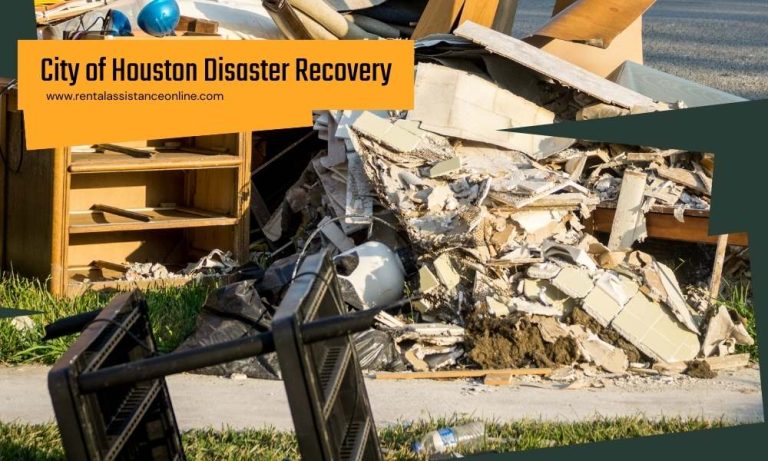
Natural disaster in HoustonThe city of Houston has experienced the devastating impact of natural disasters, most notably Hurricane Harvey. The effects of this catastrophic event, including extensive flood damage and widespread destruction, have left a lasting mark on the city and its residents.

Hurricane Harvey made landfall in August 2017, causing unprecedented rainfall and resulting in severe flooding throughout Houston. The damage was immense, with homes, businesses, and infrastructure severely affected. The recovery efforts that followed required significant resources and collaboration from various stakeholders.

In the aftermath of Hurricane Harvey, the city of Houston has taken steps to improve its natural disaster preparedness. Recognizing the importance of being proactive in mitigating future risks, initiatives have been implemented to enhance emergency response systems, strengthen infrastructure resilience, and increase public awareness about disaster preparedness.

The impact of natural disasters like Hurricane Harvey serves as a powerful reminder of the importance of disaster preparedness and resilience. By learning from past experiences and investing in preventive measures, Houston is working towards becoming better equipped to handle future challenges posed by such events.

As we move forward, it is crucial for communities to prioritize disaster preparedness efforts by implementing effective strategies that focus on early warning systems, evacuation plans, infrastructure improvements, and community engagement. By doing so, we can minimize the impact of natural disasters on our cities and protect our communities from potential devastation.

The Role of Government Agencies in Houston’s Disaster Recovery

Get rental assistance after a disasterGovernment agencies play a crucial role in the recovery efforts following a disaster, and Houston is no exception. In the wake of natural disasters such as hurricanes or floods, government agencies like FEMA (the Federal Emergency Management Agency) step in to provide assistance programs to affected individuals and communities.

FEMA assistance programs offer financial aid, temporary housing, and other resources to help residents rebuild their lives. These programs are designed to provide support during the recovery process and ensure that those affected have access to essential services.

In addition to federal assistance, local government initiatives also play a significant role in Houston’s disaster recovery. City and county officials work tirelessly to coordinate relief efforts, allocate resources, and implement strategies for rebuilding damaged infrastructure. Their involvement ensures that the recovery process is well-coordinated and efficient.

Furthermore, local government initiatives often focus on long-term planning for future disasters. This includes implementing measures such as improved infrastructure resilience, emergency preparedness training for residents, and community engagement programs aimed at increasing disaster awareness.

Collaboration between federal agencies like FEMA and local government entities is crucial to ensuring an effective response to disasters and facilitating a smooth recovery process. By working together, these agencies can pool their resources and expertise to provide comprehensive support for Houston’s residents during times of crisis.

Community Resilience: How Houstonians Come Together During Times of Crisis

Harris County disaster recoveryIn times of crisis, the strength and resilience of a community are truly put to the test. From homelessness to families needing rental assistance, Houston has faced its fair share of challenges. But it has consistently demonstrated its ability to come together and support one another during difficult times.

One of the key factors contributing to Houston’s remarkable community resilience is its robust network of support. When disaster strikes, Houstonians rely on their strong community bonds and well-established support networks to provide assistance and comfort. From neighbors helping neighbors to local organizations mobilizing resources, the spirit of solidarity runs deep within this vibrant city.

Volunteer efforts play a crucial role in Houston’s response to crises. Whether it’s helping tenants navigate the end of the eviction moratorium, the willingness of citizens to step up and lend a helping hand is truly inspiring. Whether it’s distributing supplies, providing shelter for those in need, or participating in search and rescue missions, Houstonians have shown time and time again that they are ready to take action when their community needs them most.

Moreover, what sets Houston apart is its citizen-driven recovery initiatives. Recognizing that long-term recovery requires more than just immediate relief efforts, residents have taken it upon themselves to initiate projects aimed at rebuilding their neighborhoods and restoring normalcy. These grassroots initiatives not only help address immediate needs but also foster a sense of empowerment among residents as they actively participate in shaping the future of their communities.

In conclusion, the way Houstonians come together during times of crisis exemplifies the true spirit of community resilience. Through strong support networks, volunteer efforts, and citizen-driven recovery initiatives, this city has proven time and again that it can weather any storm with unity and determination.

Innovative Solutions for Disaster Recovery in the City of Houston

In the wake of natural disasters, cities like Houston, Harris County, Fort Bend, and others are increasingly turning to innovative solutions to enhance disaster recovery efforts. By embracing smart city technologies and sustainable rebuilding practices, Houston can not only rebuild but also become more resilient in the face of future disasters.

Smart city technologies play a crucial role in disaster recovery by leveraging data and analytics to improve preparedness and response. These technologies enable real-time monitoring of critical infrastructure, such as bridges, roads, and buildings, allowing authorities to identify potential vulnerabilities and take proactive measures to mitigate risks. By harnessing the power of sensors, IoT devices, and data analytics, Houston can create a more robust infrastructure that is better equipped to withstand future disasters.

Additionally, sustainable rebuilding practices are essential for long-term resilience. Incorporating green building techniques and materials can help reduce the environmental impact while ensuring that structures are better able to withstand extreme weather events. From energy-efficient designs to utilizing renewable resources, these practices not only contribute to a more sustainable future but also enhance the city’s ability to bounce back after a disaster.

By combining smart city technologies with sustainable rebuilding practices, Houston can create an ecosystem that prioritizes resilience and preparedness. Leveraging data-driven insights allows for targeted interventions during emergencies while adopting environmentally friendly approaches ensures long-term sustainability. With these innovative solutions in place, Houston can confidently face future challenges with greater efficiency and effectiveness in its disaster recovery efforts.

Economic Revitalization: Restoring Business and Infrastructure in Houston

City of Houston disaster recovery efforts

In the wake of a disaster such as the one Houston experienced, economic revitalization becomes crucial for restoring business and infrastructure. Small business recovery programs play a vital role in providing assistance to local businesses that have been affected by the disaster. These programs offer financial support, resources, and guidance to help businesses recover and thrive once again.

However, rebuilding infrastructure is equally important to ensure long-term economic growth. Investments in infrastructure projects not only create jobs but also attract investments from both local and international sources. By improving transportation networks, upgrading utilities, and enhancing public facilities, Houston can position itself as an attractive destination for businesses looking to invest in post-disaster rebuilding projects.

Attracting investments for these rebuilding projects requires strategic planning and effective communication of Houston’s potential for growth. Highlighting the city’s resilience and commitment to rebuilding can instill confidence in investors who are seeking opportunities in emerging markets. Additionally, showcasing the benefits of investing in Houston’s infrastructure can further incentivize private sector involvement.

By combining small business recovery programs with substantial infrastructure investments, Houston has the opportunity to not only restore its economy but also create a stronger foundation for future growth. With careful planning and collaboration between government entities, private sector stakeholders, and community organizations, Houston can emerge from this challenging period with renewed vitality and become a model for economic revitalization efforts worldwide.

Lessons Learned and Best Practices from Houston’s Disaster Recovery Journey

Houston’s journey in disaster recovery has been a remarkable one, filled with valuable lessons and best practices that can be applied to future scenarios. One of the key strategies that worked exceptionally well was the collaboration between various stakeholders involved in the recovery process.

The city of Houston understood the importance of bringing together government agencies, non-profit organizations, businesses, and community leaders to effectively address the challenges faced during the recovery phase. By fostering strong partnerships and open lines of communication, they were able to leverage each other’s strengths and resources.

Another crucial aspect that contributed to Houston’s successful recovery was its proactive approach to disaster management. They recognized the need for comprehensive planning, including pre-disaster mitigation efforts and post-disaster response strategies. This allowed them to minimize damage and expedite recovery efforts when disaster struck.

Furthermore, Houston prioritized community engagement throughout their journey. They actively sought input from residents and incorporated their feedback into their decision-making processes. This inclusive approach not only empowered individuals but also ensured that recovery initiatives aligned with the needs and aspirations of those affected.

Houston’s experience serves as a valuable case study for other cities grappling with similar challenges. By emphasizing collaboration between stakeholders, adopting proactive disaster management strategies, and prioritizing community engagement, cities can build resilient systems capable of weathering even the most severe disasters.

In conclusion, Houston’s disaster recovery journey offers invaluable lessons learned and best practices that can guide future endeavors in effective disaster management worldwide. The power of collaboration cannot be underestimated when it comes to overcoming adversity and building resilient communities ready to face any challenge head-on.

Conclusion: Moving Forward towards a Resilient Future for the City of Houston

In conclusion, it is evident that the city of Houston must strive towards a resilient future in order to address the challenges posed by climate change and ensure sustainable development. By implementing effective strategies for climate change mitigation, such as reducing greenhouse gas emissions and promoting renewable energy sources, Houston can play a crucial role in mitigating the impacts of climate change.

Everything You Need to Know About Rental Assistance Programs in Shreveport, LA

0

Understanding the Importance of Rental Assistance Programs

Rental assistance in Shreveport, LAIn today’s challenging economic climate, many individuals and families are struggling to afford the rising costs of housing. The burden of high rent prices can be overwhelming, leading to financial stress and even homelessness for some. That’s where rental assistance programs come into play.

Rental assistance programs are designed to provide much-needed support and financial aid for those who are struggling to make ends meet when it comes to their housing expenses. These programs offer a lifeline for individuals and families who may be facing eviction or living in substandard conditions due to their inability to afford suitable housing.

The importance of rental assistance programs cannot be overstated. They not only help individuals and families maintain stable housing but also contribute to the overall well-being of communities by reducing homelessness and promoting affordable housing options.

By providing financial aid for rent, these programs offer a safety net for those who may have experienced unexpected job losses, medical emergencies, or other unforeseen circumstances that have impacted their ability to cover their housing costs. Rental assistance programs ensure that vulnerable populations have access to safe and affordable housing options, allowing them to focus on other essential needs such as education, healthcare, and employment opportunities.

Moreover, these programs play a crucial role in preventing homelessness. By offering support through subsidies or vouchers that help offset the cost of rent, rental assistance programs give individuals and families a fighting chance at maintaining stability in their lives. This not only benefits the individual but also reduces the strain on social service systems by addressing the root causes of homelessness before they escalate further.

In conclusion, rental assistance programs are vital resources that provide much-needed financial aid for rent and promote affordable housing options. They serve as a lifeline for those facing hardships by ensuring access to safe and stable living conditions and preventing homelessness in our communities. Understanding the importance of these programs is crucial as we work towards creating inclusive societies where everyone has a place they can call home.

The Rental Assistance Programs Available in Shreveport, LA

If you are a resident of Shreveport, LA, and are facing difficulties paying your rent, there are several rental assistance programs available to help you. These government-sponsored programs aim to provide support to individuals and families who are struggling with housing costs.

Caddo Parish Community Development

Phone: (318) 226-6724

Community Renewal International

Phone: (318) 425-3222

United Way of Northwest Louisiana

Phone: Dial 2-1-1 or (318) 677-2504

Catholic Charities of North Louisiana

Phone: (318) 865-0200

Salvation Army – Shreveport

Phone: (318) 424-3200

Society of St. Vincent de Paul – Shreveport

Phone: (318) 865-7807

The Hub Urban Ministries

Phone: (318) 425-1678

Northwest Louisiana Community Development Corporation

Email: Not provided

Phone: (318) 861-2262

Eligibility Criteria and How to Apply for Rental Assistance Programs in Shreveport

Apply for rental assistance in the City of Shreveport.When it comes to finding rental assistance programs in Shreveport, understanding the eligibility criteria and knowing how to apply is crucial. These programs aim to provide financial support to individuals and families who are struggling to afford housing.
Income limits for rental aid programs in Shreveport vary depending on the specific program and funding available. It is best to contact local government agencies or non-profit organizations that administer these programs for up-to-date information on income thresholds.

In order to apply for rental assistance programs in Shreveport, people typically need to fill out an application form that the administering agency provides. This application may require documentation such as proof of income, identification documents, lease agreements or eviction notices (if applicable), and other supporting materials.

It is important to carefully read through the application instructions and provide all required documentation accurately. Incomplete or incorrect applications may delay the processing time or result in a denial of assistance.

Here are some additional tips for applying for rental assistance in Shreveport:

  • Start the application process early, as these programs are often competitive.
  • Be prepared to provide all required documentation.
  • Be clear and concise when explaining your financial situation.
  • Follow up with the administering agency to check on the status of your application.

If you are denied rental assistance, do not give up. There are other resources available, such as homeless shelters and food banks. You can also contact your local government agency or non-profit organization for more information on available resources.

The Process and Timeline for Receiving Rental Assistance in Shreveport

Navigating the process of receiving rental assistance in Shreveport can be a daunting task, but understanding the steps and timeline involved can help alleviate some of the stress.

To begin, it is important to familiarize yourself with the rental aid application process in Shreveport. This typically involves gathering the necessary documentation to support your application. Commonly required documents include proof of income, identification, lease agreements or rental contracts, and any documentation related to your current financial situation.

Once you have gathered all the required documentation, you can proceed with submitting your application for rental assistance. It is crucial to ensure that all information provided is accurate and up-to-date to avoid any delays or complications in the process.

After submitting your application, there may be a waiting period before you receive a response. The timeline for receiving rental assistance can vary depending on various factors, such as demand, availability of funds, and processing times. It is advisable to regularly check on the status of your application or reach out to relevant authorities for updates.

During this waiting period, it is essential to remain patient and prepared for potential follow-up requests or additional documentation that may be required by the rental assistance program administrators.

In conclusion, understanding the process and timeline involved in receiving rental assistance in Shreveport is crucial for a smooth experience. By being proactive in gathering the necessary documentation and staying informed about your application’s status, you increase your chances of successfully securing much-needed rental aid during challenging times.

Additional resources

Rental Assistance-New Orleans, LA

Application Process & Eligibility for Rental Assistance Programs in Augusta, GA

0

Introduction

Rental assistance programs play a crucial role in providing support to individuals and families in need of affordable housing. These programs aim to alleviate the burden of high rental costs, ensuring that vulnerable populations have access to safe and stable housing options.

In Augusta, GA, a range of rental assistance initiatives exists to address the pressing housing needs within the community. Understanding the eligibility criteria and application process for these programs is vital for those seeking assistance, as it can be a lifeline in times of financial hardship or housing instability.

Augusta, GA rental assistance applicationA Brief Overview of Rental Assistance Programs

Emergency rental assistance programs (ERAP) encompass various initiatives designed to assist low-income individuals and families with their monthly rent payments. One prominent program available in Augusta, GA, is the Section 8 Housing Choice Voucher Program. Under this federal initiative, eligible participants receive vouchers that subsidize a portion of their rent directly with private landlords.

This program allows recipients flexibility in choosing suitable housing within the private market while promoting affordability. Additionally, Augusta implements the Emergency Solutions Grant (ESG) program, which aims to prevent homelessness and rapidly rehouse individuals experiencing homelessness or at risk of becoming homeless.

The ESG provides temporary financial assistance for rental expenses such as security deposits and utility bills. This program plays a vital role in stabilizing individuals and families during times of crisis.

Importance of Rental Assistance in Augusta, GA

The significance of rental assistance programs cannot be overstated when considering the socioeconomic landscape of Augusta, GA. With rising housing costs and stagnant wages, many residents struggle to afford decent housing options without sacrificing other essential needs like food or healthcare. Rental assistance acts as a safety net for those facing financial hardships or at risk of homelessness.

Furthermore, rental assistance promotes stability within communities by reducing transience among low-income households. When families have access to affordable housing options through these programs, children can remain enrolled in local schools, fostering continuity in their education and social development.

Stable housing also enhances employment prospects and overall well-being, enabling individuals to contribute positively to their communities. ERAP in Augusta, GA, are vital resources that provide support to vulnerable populations struggling with housing affordability.

By understanding the various rental assistance initiatives available and the eligibility criteria governing them, individuals can navigate the application process with greater confidence. In the following sections, we will delve into the specific eligibility requirements for rental assistance programs in Augusta, GA, and explore each program’s application process in detail.

Augusta, GA help paying rentEligibility

  • ERAP criteria is based on income.
  • Income eligibility is determined using federal poverty guidelines and HUD income limits.
  • Income limits vary depending on household size and program specifics.
  • Different rental assistance programs may have different income limits.
  • Various sources of household income are considered, including wages, benefits, and pensions.
  • Applicants must provide documentation to verify their income sources.
  • Residency requirements are also important for rental assistance eligibility.
  • Applicants must provide proof of residency in Augusta, such as a driver’s license or utility bills.
  • The duration of residency required may vary among programs.
  • It is crucial for applicants to review program guidelines regarding residency duration.

Types of ERAP in Augusta, GA


1. United Way of the CSRA: United Way of the CSRA addresses community needs by mobilizing resources, funding local programs, and collaborating with various partners.

2. Catholic Social Services of Augusta, GA: Catholic Social Services of Augusta offers a range of programs and support services, including counseling, emergency assistance, adoption services, and refugee resettlement.

3. Beulah Grove Community Resources: Beulah Grove Community Resources is a community-based organization in Augusta, Georgia, dedicated to empowering individuals and families through various programs and services.

4. The Salvation Army: The Salvation Army is an international charitable organization that provides a wide range of social services and assistance to those in need.

5. CSRA Economic Opportunity Authority, Inc: The CSRA Economic Opportunity Authority is a nonprofit organization that works to address poverty and promote self-sufficiency in the CSRA region of Georgia.

6. NACA Augusta Office: NACA (Neighborhood Assistance Corporation of America) is a nonprofit homeownership and community advocacy organization that provides affordable housing solutions and comprehensive financial counseling.

7. Augusta Housing Authority: The Augusta Housing Authority is a government agency responsible for the management and development of public housing and affordable housing programs in Augusta, Georgia.

Conclusion

Navigating through rental assistance programs can be overwhelming but worthwhile for those who need support securing safe and affordable housing in Augusta, GA. Understanding eligibility criteria like income requirements and residency guidelines is crucial before embarking on the application process. While waiting lists may test one’s patience, it’s essential to remain hopeful, as rental assistance programs like Section 8 offer valuable resources aimed at providing stability to individuals or families facing financial hardships. By following proper procedures during each step of the application process and staying informed about program updates, individuals can increase their chances of successfully securing rental assistance.

Remember, seeking rental assistance is not a sign of weakness but rather a proactive step toward ensuring a stable living environment. With determination and the support provided by programs like Section 8 in Augusta, GA, individuals can transcend their current circumstances and thrive in a safe and affordable home.

Other Important Resources

Atlanta, GA rental assistance

Georgia mortgage assistance

Tallahassee-Thomasville rental assistance

Atlanta, GA: Emergency Rental Assistance Program

0

Atlanta: Economic Boom Plus High Cost of Housing

ATL rental assistanceWelcome to Atlanta, the vibrant city that proudly serves as the gateway to the South. Known for its rich history, diverse communities, and unparalleled cultural significance, Atlanta stands as a beacon of Southern charm and innovation. However, behind its economic boom and soaring skyscrapers lies a pressing issue that weighs heavily on the city’s residents: the soaring cost of housing for low- to middle-income families. In fact, a recent report by Channel 11 Alive reveals that Atlanta was ranked 5th for the most overpriced housing in the U.S.

While Atlanta continues to thrive economically, the struggle to find affordable housing has become an unfortunate reality for many who call this dynamic city home.

Understanding the Importance of the Emergency Rental Assistance Program

The Emergency Rental Assistance Program is a crucial lifeline for renters facing financial hardships during the ongoing COVID-19 pandemic. It aims to prevent evictions and homelessness by providing financial assistance to individuals and families who have experienced a job loss or reduced income. Atlanta has recognized the significance of this program and has implemented an efficient system to distribute funds, helping eligible renters with past-due rent payments and housing-related expenses. It is essential for both tenants and landlords to understand how this program works to access the support they need. By utilizing the resources provided, individuals can find stability in their housing situations, while landlords benefit from receiving timely rental payments. Together, we can navigate these challenging times with compassion and support for one another.

Organizations Providing Emergency Rental Assistance in the Atlanta area

1. Atlanta Housing Authority (AHA)
2. United Way of Greater Atlanta
3. Atlanta Volunteer Lawyers Foundation (AVLF)
4. Partnership Against Domestic Violence (PADV)
5. Atlanta Community Food Bank
6. Atlanta Mission
7. Salvation Army Metro Atlanta
8. Society of St. Vincent de Paul Georgia

ERAP Eligibility

Find rental assistance programs in Atlanta, GAThe Emergency Rental Assistance Program in Atlanta aims to provide much-needed support to individuals and families facing financial hardships due to the ongoing pandemic. Understanding who is eligible for this program is crucial for those seeking rental assistance. By meeting the necessary qualifications and providing the required documentation, individuals can access the support they need to maintain stable housing during these challenging times. In this section, we will explore the eligibility criteria, income requirements, and documentation needed for individuals to qualify for the Emergency Rental Assistance Program in Atlanta.

The Application Process

Are you struggling to make ends meet and worried about being able to pay your rent? The Emergency Rental Assistance Program in Atlanta is here to help. This program provides financial aid to eligible individuals and families who are facing difficulties paying their rent due to the ongoing pandemic. In this section, we will guide you through the application process, outlining the requirements and steps you need to take in order to apply for this essential support.

Applying for rental aid can be a daunting task, but with our comprehensive guide, we aim to simplify the process for you. Whether you’re a tenant or a landlord seeking assistance on behalf of your tenants, understanding the application requirements and following the correct steps is crucial to ensuring that your application is processed smoothly.

By following these steps and providing all necessary documentation, you can increase your chances of receiving much-needed financial relief. So let’s dive into the details of how to apply for the Emergency Rental Assistance Program and alleviate some of the stress associated with housing insecurity during these challenging times.

Benefits of the Emergency Rental Assistance Program in Atlanta

The Emergency Rental Assistance Program in Atlanta is a lifeline for individuals and families facing financial hardship due to the ongoing pandemic. This includes both rental and mortgage assistance. In this section, we will explore the various advantages of this program and how it has become an invaluable resource for those struggling to make ends meet in Atlanta. Whether you are a tenant in need or simply interested in understanding the impact of rental aid programs, read on to discover the significant benefits offered by the Emergency Rental Assistance Program.

Conclusion: Take Advantage of the ERAP Atlanta

Applying for rental assistance in ATLIn these challenging times, securing stable housing has become a top priority for many individuals and families in Atlanta. The Emergency Rental Assistance Program offers a lifeline to those facing financial hardships and the risk of eviction. By taking advantage of this program, you can not only ensure a roof over your head but also regain peace of mind and stability for yourself and your loved ones.

The Emergency Rental Assistance Program is designed to provide financial aid to eligible individuals who are struggling to pay their rent due to circumstances beyond their control. Whether you have lost your job, experienced a reduction in income, or faced unexpected medical expenses, this program can offer the support you need during these uncertain times.

One of the key benefits of this program is that it provides direct assistance to tenants rather than landlords. This means that the funds received through the program go directly towards paying your rent, ensuring that you can stay in your current home without fear of eviction.

Additionally, the Emergency Rental Assistance Program offers assistance with utility bills, making it even more comprehensive in its support. By alleviating the burden of these expenses, you can focus on rebuilding your finances and regaining stability in all aspects of your life.

It’s important to note that time is of the essence when it comes to applying for this program. The demand for rental assistance is high, and funds are limited. Therefore, it’s crucial to act quickly and submit your application as soon as possible.

By taking advantage of the Emergency Rental Assistance Program, you are not only securing stable housing but also gaining access to resources that can help you get back on track financially. Don’t let eviction or financial instability dictate your future; take action today and utilize this invaluable program offered by Atlanta’s local government.

Remember: stable housing is not just a necessity; it’s a foundation upon which you can build a brighter future for yourself and your loved ones. Take advantage of the opportunities available through the Emergency Rental Assistance Program and pave the way for a more secure and prosperous life in Atlanta.

Emergency Rental Assistance Program (ERAP) – City of Toledo

0

The Emergency Rental Assistance Program (ERAP) provides critical financial relief for renters struggling to stay housed due to pandemic-related financial hardship. Designed to prevent eviction and promote housing stability, ERAP offers comprehensive rental and utility assistance for eligible Toledo residents. Although the application portal is currently closed, understanding your options—and knowing what support remains available—is crucial.

What ERAP Covers

ERAP provides up to 18 months of assistance to eligible households. This includes both past-due and future rental expenses, as well as related housing costs. This robust support system aims to keep families in stable housing during financially uncertain times.

Covered Expenses Include:

Each household approved for ERAP may receive assistance for the following:

  • Current and Future Rent: Support for rental payments due in upcoming months, allowing families to stabilize their living situations.

  • Past Due Rent and Late Fees: Relief for renters who have fallen behind, helping to eliminate the risk of eviction.

  • New Renter Fees and Security Deposits: Assistance for those moving into new rental units, particularly valuable for displaced renters.

  • Utility Deposits and Payments: Coverage for electricity, water, gas, and other utility costs, ensuring uninterrupted access to essential services.


Program Status

🚫 ERAP Portal Closed: The ERAP application portal is no longer accepting new applications. However, applicants can still check their application status or explore other available programs listed below.


Alternative Assistance Programs

If you’re not eligible for ERAP or need immediate help, several other programs in Ohio provide housing and utility support. Here’s a summary of some reliable options:

Pathway Home Relief Grant

Eligible Ohioans may receive assistance with rent, mortgage, or utilities through Pathway Inc., a trusted community organization.

  • 📍 Scope: Statewide (Ohio)

  • 🏠 Eligible Costs: Rent, mortgage, utility bills

  • 🔗 Apply here: Pathway Inc.

City of Toledo – Water Bill Assistance

The City of Toledo provides specific relief for residents struggling to pay water bills.

  • 📍 Scope: Toledo residents

  • 💧 Eligible Costs: Water utility payments

  • 🔗 Apply here: Toledo Water Bill Assistance

FCC Affordable Connectivity Program

Through the Federal Communications Commission (FCC), eligible households can reduce their internet bills or even qualify for free high-speed internet.

  • 🌐 Scope: Nationwide

  • 📶 Eligible Costs: Internet service and equipment

  • 🔗 Apply here: FCC ACP Program


ERAP Eligibility Criteria

To qualify for ERAP assistance, applicants must meet specific criteria designed to target support to those most in need:

  • One Application Per Unit: Only one tenant or landlord may apply per residential unit.

  • Valid Lease: A current lease signed by both the landlord and tenant is required, or acceptable proof of a rental relationship.

  • City of Toledo Residency: The rented unit must be located within the Toledo tax district.

  • Landlord Participation: The landlord must submit a separate application and agree to program terms.

  • COVID-19 Impact: Applicants must demonstrate a financial hardship due to COVID-19 within the past six months.

  • Risk of Housing Instability: Applicants must show they are at risk of eviction or homelessness.

  • Income Limits: Total household income must fall below 80% of the HUD Area Median Income (AMI).


Household Income Limits (Effective June 1, 2022)

The following income thresholds determine eligibility for ERAP:

Household Size Max Annual Income Max Monthly Income
1 $46,150 $3,846
2 $52,750 $4,396
3 $59,350 $4,946
4 $65,900 $5,492
5 $71,200 $5,933
6 $76,450 $6,371
7 $81,750 $6,813
8 $87,000 $7,250

Note: These limits are based on HUD guidelines and may be updated annually.


Landlord Requirements

To receive rental payments through ERAP, landlords must comply with program requirements to ensure proper documentation and tenant protections.

Landlord Obligations:

  • Submit a Valid W-9: Required for payment processing.

  • Provide Rent Roll or Proof of Arrears: Demonstrates the tenant’s outstanding rent.

  • Confirm Property Location: Must verify that the rental unit is in the Toledo tax district.

  • Eviction Moratorium Agreement: Must agree not to evict the tenant during the ERAP assistance period.

  • Accept Terms & Conditions: Landlords must read and agree to all ERAP terms.


Ineligibility Criteria

Applicants are not eligible for ERAP if they:

  • Exceed Income Limits: Total household income is above 80% AMI.

  • Reside Outside the Toledo Tax District: Only properties within city limits are eligible.

  • Lack Recent COVID-19 Hardship: Cannot demonstrate financial hardship within the last six months.


Next Steps: What To Do Now

Although the ERAP portal is closed, you can still take steps toward securing housing stability:

  1. Check ERAP Application Status: If you already applied, follow up using the designated portal.

  2. Apply for Alternative Assistance: Leverage programs like Pathway, Toledo Water Assistance, or the FCC ACP for immediate support.

  3. Gather Documentation: Prepare your lease, proof of income, and utility bills to streamline future aid applications.

  4. Contact Local Agencies: Community organizations often have smaller, targeted rental relief funds available.

  5. Monitor Program Reopenings: Stay informed in case ERAP reopens or new federal/state funds become available.

Other Resources

Cincinnati AirBnB Rules for 2025