Home Blog Page 12

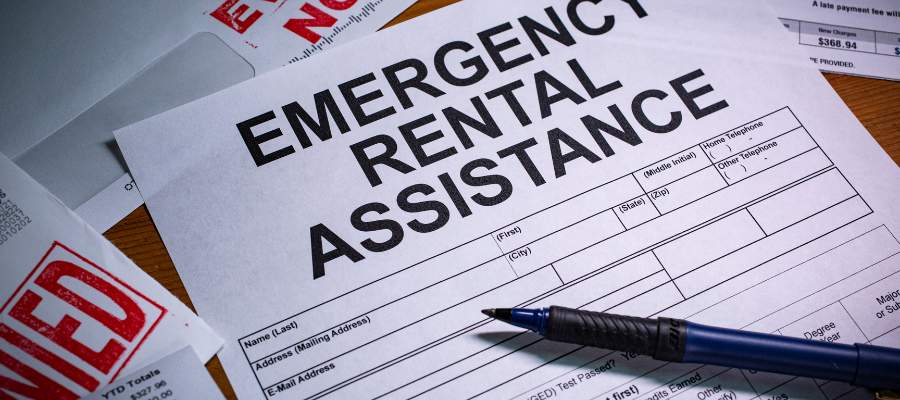
Emergency Rental Assistance Program in Alameda County

0

Emergency Rental Assistance Program in Alameda County

Oakland CA

Eviction Moratorium in Alameda County

NOTICE: We have received more grant requests than we presently have available funds. We continue to prioritize delivering cash to those in most need.

The Alameda County Board of Supervisors updated its prior eviction moratorium ordinance on August 4, 2020, to ensure that all tenants and homeowners in the county can shelter-in-place during this crisis. With rare exceptions, this emergency ordinance prohibits any evictions anywhere in the County. The ordinance gives tenants a 12-month grace period to repay their rent. This ordinance is set to expire 60 days after the local health emergency has been lifted. Violators are subject to a $1000 fine and may face legal actions.

Are You Eligible for Emergency Rental Assistance in Alameda County?

(All three must be true in order to be eligible)

  • Are you struggling financially and looking for help with your primary residence’s rent and/or utilities?
  • Has anyone in the home experienced a reduction/loss of income, major expenses, or other financial troubles as a result of the COVID-19 epidemic, either directly or indirectly? OR have you been eligible for unemployment benefits since March 13, 2020?
  • Can anyone in your household demonstrate that they are at risk of homelessness or housing insecurity, that they have past-due rent or utilities, or that they are living in unsafe living conditions?


Landlords Apply Here


Tenants Apply Here

Understanding DEHAP: Your Guide to the Delmarva Emergency Housing Assistance Program

0

Today, we’re discussing a topic particularly close to home for many people in the Delmarva area: DEHAP, or the Delmarva Emergency Housing Assistance Program.

If you’re wondering what DEHAP is, how it can benefit you or someone you know, and how to apply, you’re in the right place. We’ll break down everything you need to know in a friendly, conversational format that’s easy to follow.

What is DEHAP?

DEHAP stands for the Delmarva Emergency Housing Assistance Program. It’s a critical initiative to assist Delaware, Maryland, and Virginia residents facing housing insecurity. Whether you’re dealing with an unexpected loss of income, hefty medical bills, or any other financial hurdles, DEHAP might be your lifeline.

Why Was DEHAP Created?

DEHAP was created to address the urgent need for housing assistance in the Delmarva region. The program aims to prevent homelessness by providing financial support to those struggling to make ends meet. It’s particularly important during times of crisis, such as the recent COVID-19 pandemic, which has left many families unable to afford rent or utilities.

Key Benefits of DEHAP

So, what does DEHAP offer? Here are some of the key benefits:

Rental Assistance

  • Rental Assistance: DEHAP can help cover your rent if you fall behind due to financial hardship.
  • Utility Payments: Are you having trouble with utility bills? DEHAP helps ensure your power, water, and other essential services stay on.
  • Application Support: Navigating the application for housing assistance can be confusing. DEHAP offers support to help you through the process.
  • Preventing Evictions: The program can intervene in cases where eviction is imminent, providing the necessary funds to keep families in their homes.

Who is Eligible for DEHAP?

Eligibility criteria are crucial to understand. Here’s a quick rundown:

  • Residency: You must be a Delaware, Maryland, or Virginia resident.
  • Income Level: Your income must fall below a certain threshold, which varies by location and household size.
  • Financial Hardship: You must demonstrate that you’re facing financial hardship due to unforeseen circumstances like job loss, medical expenses, or other emergencies.

How to Apply for DEHAP

Applying for DEHAP might seem daunting, but it doesn’t have to be. Here’s a step-by-step guide to get you started:

How to Apply for DEHAP

  1. Gather Documents: Before you begin your application, gather essential documents like proof of income, identification, rental agreement, and any bills you need assistance with.
  2. Visit the Official Website: Navigate to the official DEHAP website for the most accurate and up-to-date information.
  3. Complete the Application: Fill out the online application form, providing all required information.
  4. Submit Required Documentation: Upload or mail copies of your essential documents as instructed.
  5. Wait for Approval: Once submitted, your application will be reviewed. You’ll receive details on the next steps and how the funds will be disbursed if approved.

Tips for a Smooth Application Process

  • Double-Check Information: Ensure all your details are accurate to avoid delays.
  • Follow-up: Don’t hesitate to follow up if you haven’t heard back within their stated review period.
  • Stay Organized: Keeping all your documents and communications in one place can help streamline the process.

Conclusion

DEHAP is an invaluable resource for residents facing housing insecurity. By providing essential financial assistance for rent, utilities, and more, the program aims to keep families safely housed during difficult times. If you or someone you know requires assistance, don’t hesitate to apply for DEHAP.

Thank you for reading! We hope this guide helps you understand DEHAP’s details. Feel free to share this post with anyone who might benefit from it. Stay safe, and take care!

Does this post answer all your questions about DEHAP? What other topics would you like us to cover? Let us know in the comments below!

Breaking Down BCAP Rental Assistance: Your Guide to Housing Stability

0

Your Guide to Housing Stability

Your Guide to Housing Stability


Navigating the world of rental assistance can be a bit overwhelming. With so many programs and acronyms flying around, it’s easy to feel a bit lost. Today, we’re going to dive into one of the key resources available: BCAP rental assistance. We aim to make this as straightforward and friendly as possible, so you can understand how it can help you or someone you know. Let’s get started!

What is BCAP Rental Assistance?

BCAP stands for Berkshire Community Action Partnership. They are a non-profit organization dedicated to supporting individuals and families facing economic challenges in Berkshire County. One of their vital services is rental assistance, designed to help those struggling to keep a roof over their heads. Imagine BCAP as a good neighbor who happens to have knowledge, funding, and resources to help you out when things get tough.

Who Can Benefit from BCAP Rental Assistance?

BCAP rental assistance is tailored for:

  1. Low-income individuals and families: If you’re struggling to afford your rent due to a low income, BCAP can offer a helping hand.
  2. Those facing a housing crisis: Whether it’s an eviction notice or financial hardship due to unexpected circumstances like job loss or health issues.
  3. First-time renters and young adults who need a bit of guidance in managing their housing expenses.

How Does BCAP Rental Assistance Work?

How Does BCAP Rental Assistance Work


Understanding how BCAP rental assistance functions can help you make the most out of it. Here are the key components:

1. Initial Assessment

When you first reach out to BCAP, they’ll conduct an initial assessment to understand your situation better. They’ll collect essential information about your income, expenses, and current housing status.

2. Customized Support Plan

Based on your needs, BCAP will create a customized support plan. This might include direct financial assistance, help with budgeting and financial planning, or links to additional resources in the community.

3. Ongoing Support

It’s not just about a one-time financial aid. BCAP offers continued support to help ensure long-term housing stability. They provide follow-up services to monitor your progress and offer further assistance if needed.

Steps to Apply for BCAP Rental Assistance

Steps to Apply for BCAP Rental Assistance

Getting started with BCAP rental assistance is straightforward. Here’s a step-by-step guide:

  1. Contact BCAP
    You can reach out to BCAP through their website or by calling their office. They’ll guide you on the information you need to provide.
  2. Initial Meeting
    Schedule an initial meeting with a BCAP representative. This can be done in person, over the phone, or virtually.
  3. Documentation
    Prepare necessary documents such as proof of income, past rent receipts, eviction notices, and any other supporting paperwork.
  4. Assessment and Plan Development
    Engage in the assessment process where BCAP will understand your needs more deeply and develop a tailored support plan.
  5. Access Support
    Once your plan is in place, you’ll start receiving the support outlined, whether it’s direct financial aid or other services.

Tips for Maximizing BCAP Rental Assistance

While BCAP is there to assist, you can take steps to make the most of the support offered:

  1. Stay Proactive: Regularly communicate with your BCAP representative and update them on any changes in your circumstances.
  2. Utilize Budgeting Resources: Take advantage of any financial literacy programs or budgeting tools offered by BCAP to better manage your finances.
  3. Seek Additional Support: Don’t hesitate to ask your BCAP representative about other community resources that can complement the assistance you’re receiving.

Final Thoughts

BCAP rental assistance can make a significant difference for those facing housing instability. They offer more than just financial aid; they provide a support system to help you regain control over your housing situation. If you or someone you know is struggling, BCAP could be the ally you’ve been looking for. Reach out, stay informed, and utilize the resources available to you. Housing stability is within reach!

Thanks for reading, and remember to stay hopeful and proactive!

Rental assistance in Okaloosa and Walton County

0

Rental Assistance Programs in Okaloosa, Ft. Walton Beach, and Walton County, FL

Rental Assistance Programs

In Okaloosa County, there are several rental assistance programs available to help individuals and families with their housing needs. One program is the Community Development Block Grant (CDBG) program, which provides funding to local agencies to assist with rental assistance for eligible low-income households. The CDBG program offers assistance in the form of rental subsidies or vouchers, which can help to make housing more affordable for those who qualify. Eligibility requirements may vary but generally include income limits and proof of residency in Okaloosa County.

Another rental assistance program available in Okaloosa County is the Emergency Solutions Grant (ESG) program. This program provides funds to assist with emergency shelter, homelessness prevention, and rapid re-housing. Rental assistance is a key component of the ESG program, and it can help individuals and families who are experiencing a housing crisis to obtain and maintain stable housing. Eligibility requirements for the ESG program typically include income limits, proof of homelessness or imminent homelessness, and adherence to program guidelines.

In Walton County, one of the rental assistance programs available is the Section 8 Housing Choice Voucher program. This program, administered by the Walton County Housing Authority, provides rental subsidies to eligible low-income individuals and families. The vouchers can be used to rent housing in the private market, and the amount of assistance provided is based on the recipient’s income and the rental market in the area. Eligibility requirements for the Section 8 program include income limits and adherence to program guidelines.

For more information on rental assistance programs in Okaloosa County, individuals can contact the Okaloosa County Community Development Department at 123-456-7890. For information on rental assistance programs in Walton County, individuals can contact the Walton County Housing Authority at 987-654-3210.

Okaloosa and Walton County

Okaloosa and Walton County

Located in beautiful coastal areas with thriving tourism, Okaloosa is a magnet for new residents looking to escape big-city life for an oceanic atmosphere. If you’re struggling to pay rent, there are several key organizations and resources available in Okaloosa and Walton County to address these issues and provide assistance.

One prominent organization in the region is the Salvation Army, which offers various programs to help individuals and families in need. They provide emergency financial assistance for rent and housing expenses, as well as food assistance and utility bill support. Another organization, Striving for Perfection Ministries, focuses on assisting individuals who are experiencing financial hardship. They offer financial education, budgeting workshops, and emergency financial assistance.

The Housing Authority in the area plays a significant role in addressing housing challenges. They provide affordable housing options for low-income individuals and families, including rental assistance programs and public housing opportunities. Additionally, local churches such as Shalimar Baptist Church and Rocky Bayou Baptist Church often offer assistance to those in need. This may include financial support for rent or housing expenses, as well as other forms of assistance like food pantries and clothing donations.

Overall, Okaloosa and Walton County have a range of organizations and resources available to help address issues of financial insecurity and provide assistance with rent and housing expenses. These organizations play a vital role in supporting individuals and families in need, ensuring that they have access to safe and affordable housing in the community.

Resources

Rental Assistance Okaloosa/Fort

Homelessness and Housing Alliance

Help Paying Rent In Fort Walton Beach Florida

2-1-1 Northwest Florida

Programs & Initiatives | United Way Emerald Coast

Navigating Rent Assistance: A Guide to Catholic Charities in Boston

0

Navigating the complex waters of renting can be challenging, especially in a bustling metropolis like Boston. Rising rent costs and unexpected financial hurdles can make securing a reliable roof over your head seem daunting. Fortunately, organizations like Catholic Charities are here to help.

In this blog post, we’ll explore how Catholic Charities in Boston offers rent assistance, providing a safety net for those in need.

Understanding Catholic Charities’ Mission

Catholic Charities is a cornerstone of the community, offering a wide array of social services to those in need. Its mission is deeply rooted in the Catholic faith—to serve people in need, advocate for justice in social structures, and call the entire Church and other people of goodwill to do the same.

Why Rent Assistance?

Why Rent Assistance

With Boston’s notoriously expensive housing market, many families and individuals can find themselves in precarious situations. Rent assistance programs provide a vital service, helping to prevent homelessness and ensuring people don’t have to choose between paying their rent and putting food on the table. Catholic Charities offers this critical support through several avenues:

  • Direct Financial Assistance: Financial aid is provided directly to cover rent payments.
  • Counseling Services: Guidance and support for individuals facing financial difficulties.
  • Advocacy: Support in understanding and navigating tenant laws and rights.

How to Access Rent Assistance Programs

How to Access Rent Assistance Programs

Step 1: Initial Inquiry

The first step is contacting the Catholic Charities office closest to you. Here’s how you can do it:

  • Phone Call: Dial the main office number.
  • Email: Send an inquiry detailing your situation and needs.
  • In-Person Visit: Drop by the nearest Catholic Charities location for a face-to-face consultation.

Step 2: Documentation and Eligibility

To streamline the aid process, having the necessary documentation ready can save time. Commonly required documents include:

  • Proof of income
  • Lease or rental agreement
  • Identification documents
  • Recent bank statements
  • Notices from the landlord, if available

Step 3: Assessment and Approval

After your initial inquiry and submission of documentation, a Catholic Charities representative will assess your situation. This assessment helps determine your eligibility for rent assistance and the aid you may receive.

Step 4: Receiving Assistance

Once approved, the aid can come in different forms, such as:

  • One-time payment: A lump-sum payment to cover overdue rent or an impending payment.
  • Ongoing support: Regular financial assistance to keep up with rent over an extended period.
  • Additional Resources: Connections to other community resources and programs that can provide supplementary support.

Success Stories

Success Stories

Countless residents in Boston have benefitted from the rent assistance programs offered by Catholic Charities. Here are a couple of inspiring examples:

  • Rebecca’s Story: As a single mother, Rebecca struggled after unexpectedly losing her job. Catholic Charities provided immediate rent assistance, allowing her the breathing room to find new employment without the constant worry of eviction.
  • John and Maria’s Journey: This elderly couple faced skyrocketing medical bills that left little for rent. Catholic Charities provided financial support and connected them with additional resources, ensuring their stability and peace of mind.

Final Thoughts

Catholic Charities in Boston is more than just a helping hand; it’s a lifeline for many. If you or someone you know is facing financial difficulties with rent, reaching out can make all the difference. By providing financial aid, counseling, and advocacy, Catholic Charities helps keep countless families and individuals secure in their homes.

Remember, asking for help is a sign of strength, and organizations like Catholic Charities are here to support you every step of the way. So, don’t hesitate to reach out and explore the rent assistance options that are available to you.

Arlington Housing Authority: Building Communities, Empowering Lives

0

Are you feeling overwhelmed by everything you need to know about the Arlington Housing Authority (AHA)? Don’t worry—you’re not alone! Whether you’re seeking affordable housing, understanding the application process, or grasping the benefits and services, this friendly and professional guide has you covered. Let’s break it down, step-by-step, to smooth out your journey.

What is the Arlington Housing Authority?

What is the Arlington Housing AuthorityThe Arlington Housing Authority (AHA) is a municipal agency responsible for administering affordable housing programs in Arlington, Texas. Its primary goal is to provide safe, affordable, and sustainable housing to qualifying individuals and families.

Services Offered by AHA

AHA provides various services tailored to meet the diverse needs of the Arlington community:

  • Public Housing: Ownership and operation of affordable rental units.
  • Housing Choice Vouchers (Section 8): Rental assistance program allowing participants to choose their housing in the private market.
  • Supportive Services: Programs that help residents achieve economic self-sufficiency and improve their quality of life, such as job training and education.

Why Consider AHA Services?

You might wonder, “Why should I consider the Arlington Housing Authority services?” Here are some compelling reasons:

  • Affordable Housing: AHA helps bridge the gap between income and the rising cost of housing.
  • Housing Stability: Ensures a safer and more stable living environment.
    Financial Assistance: Subsidies reduce the financial strain of rent.
  • Supportive Programs: Access to essential services that promote personal and economic development.

Steps to Apply for AHA Housing

Steps to Apply for AHA Housing

Applying for housing through AHA can seem like a daunting process. But relax; I’ve laid it out in simple steps for you:

Step 1: Determine Eligibility

Check if you meet the eligibility requirements, which generally include:

  • Income Limits: Based on the median income of the area.
  • Residency Status: Must be a legal resident or citizen.
  • Household Size: Determined based on family size and income.

Step 2: Gather Necessary Documents

Before you start the application, gather essential documents such as:

  • Identification: Government-issued IDs for all household members.
  • Proof of Income: Recent pay stubs, tax returns, or other income documentation.
  • Proof of Residency: Utility bills or lease agreements.

Step 3: Submit the Application

Please submit your application online through the AHA website or in person at their office. Make sure to:

Step 4: Wait for Confirmation

After submission, you will receive a confirmation notice, and your application will be placed on the waiting list. Patience is key as the wait time can vary.

Step 5: Attend an Interview

Once your application reaches the top of the list, AHA will schedule an interview. Be prepared to:

  • Verify Information: Bring all requested documents.
  • Answer Questions: Be honest and thorough in your responses.

Step 6: Receive Your Housing Assignment or Voucher

If you qualify, you’ll receive a housing assignment or voucher. Celebrate, but also:

  • Understand Your Responsibilities: Be aware of tenant obligations and lease terms.
  • Engage with Support Services: Take advantage of programs that help you thrive.

Tips for a Successful Application

Tips for a Successful Application

To enhance your chances, keep in mind these helpful tips:

  • Stay Organized: Keep all your documents in one place.
  • Follow-up: Periodically check your application status.
  • Be Honest: Provide truthful and complete information.
  • Seek Help: Don’t hesitate to ask AHA staff for assistance or clarification.

Final Thoughts

The Arlington Housing Authority is a gateway to affordable and stable housing in Arlington, Texas. You can navigate the process smoothly by understanding the services offered, determining eligibility, and following the application steps. Don’t forget that the key is staying organized and proactive. Good luck on your journey to finding your ideal housing solution with AHA!

We hope this guide was helpful to you. If you have more questions, or need additional housing resources, feel free to reach out—we’re here to help you every step of the way!

Finding Financial Assistance from Local Churches: A Community Resource Guide

0

A Community Resource Guide

Hey there, friend! If you’re in a financial pinch, know you’re not alone. Many folks are grappling with economic challenges, and in such stressful times, it’s essential to remember that support is out there. One often overlooked but incredibly valuable resource is local churches. Today, we’re diving into how churches around you can be more than just places of worship—they can be lifelines offering financial assistance.

Why Churches?

Why Churches

Churches have long been pillars of community support. Their mission often extends beyond spiritual guidance to encompass a variety of social services. Many churches have funds set aside specifically to help those facing financial difficulties. These funds can cover necessities such as:

  • Rent or mortgage payments
  • Utility bills
  • Groceries and essential supplies

Not sure where to start? Let’s break it down step-by-step.

Steps to Find Churches that Provide Financial Assistance

1. Start with Your Local Church

First and foremost, reach out to the church you already attend or are affiliated with. Churches prioritize helping their congregants, and you may already be halfway there by being part of the community.

2. Research and Make a List

Sometimes, your church might not have the resources, or you might not be a regular attendee of a particular church. In such cases, research is your best buddy. Here’s how you can do it:

Online Directories

  • Findhelp: This is a fantastic online directory where you can search for help by zip code.
  • ChurchAngel: This site offers a comprehensive list of churches by location.

Google Search

Type in keywords like:

  • “churches that help financially near me”
  • “financial assistance from churches in [Your City]”

Make a list of these churches, along with their contact information.

3. Prepare Your Documentation

Churches often require some form of documentation to verify your need. Here’s a quick rundown of what you might need:

  • Proof of ID and residency: Driver’s license, utility bill, etc.
  • Proof of income: Recent pay stubs, bank statements, or tax returns.
  • Bank Statements: Recent statements to show current financial status.

Having these documents ready can speed up the process.

4. Make Contact

With your list in hand, it’s time to reach out. Here’s a friendly script you can modify as needed:

“Hello, my name is [Your Name], and I am currently experiencing some financial difficulties. I was wondering if your church offers any financial assistance programs and if so, what the process might be to receive some help. Thank you so much for your time and consideration.”

5. Follow Up and Stay Persistent

Sometimes, you might not get an immediate response. Churches are often run by small teams who wear multiple hats, so be patient and persistent.

6. Broaden Your Horizon

If local resources are stretched thin, consider expanding your search to nearby towns or cities. Larger churches or denominations often have established networks that can provide wider-reaching support.

Types of Assistance Commonly Provided

Types of Assistance Commonly Provided

To give you an idea of what kind of help you might find, here are some common types of financial assistance programs offered by churches:

Emergency Financial Aid

Stops gaps for immediate needs like rent, groceries, or utility bills.

Food Pantries

Many churches operate food pantries open to the public. This can save you a significant amount of your grocery budget.

Clothing Donations

Some churches have clothing banks where you can get essential clothing items for free.

Counseling Services

Financial stress often comes with emotional strain. Some churches offer free or low-cost counseling services to help you manage both.

Community Meals

Community Meals

Weekly or monthly community meals can be a great way to receive a warm meal and connect with supportive community members.

Wrapping Up

Finding financial assistance through local churches might require some effort, but the support you can gain is well worth it. They’re not just places for spiritual nourishment but can also be sanctuaries of support during tough times.

Have you had any experiences seeking assistance from churches? Drop your stories and tips in the comments below. Your insight might be the helping hand someone needs!

Stay strong, and remember, there’s always light at the end of the tunnel. 🌟
Finding Churches That Offer Rent Assistance Near You: A Quick Guide

0

Churches that help with rent assistance near me

If you’re navigating through a tough financial period and struggling to pay rent, don’t worry—you’re not alone. Many churches in local communities offer rent assistance to help those in need get back on their feet. Today, we’re looking at how you can find churches that provide this essential service and the steps you need to take to receive help.

Why Churches Provide Rent Assistance

Churches have always played a crucial role in community support. Rooted in their charity and neighborly love missions, many churches extend their hands to assist those facing financial hardships. Here’s why:

  • Community Support: Churches often profoundly understand the needs within their communities.
  • Moral Obligation: Many faith-based organizations see helping others as a spiritual duty.
  • Resource Networks: Churches frequently partner with other non-profits and social services, making it easier to provide comprehensive assistance.

How to Find Churches That Help with Rent Assistance Near You

Finding these churches can seem daunting whether you’re new to an area or haven’t previously needed assistance. Here’s a simple guide to get you started:

1. Start with Your Local Church

Start with Your Local Church

Your local church is a good starting point, even if you’re not a regular congregant. Visit or call to inquire if they offer rent assistance or can refer you to a nearby church that does.

2. Online Directories and Websites

Several websites and online directories can help you locate churches that provide financial help:

  • 211.org: This nationwide service includes information about local resources, including rent assistance programs.
  • Need Help Paying Bills: This site lists organizations by state and city, including churches that offer rent assistance.
  • Homeless Shelter Directory: While primarily concerned with shelters, this site also includes churches and other organizations that provide financial aid.

3. Social Media Groups and Forums

Join local community groups on Facebook or other social media platforms. Members often share resources and information about rent assistance programs.

4. Local Community Centers and Non-Profits

Local Community Centers and Non-Profits

Community centers usually have a directory of local churches’ services and can point you in the right direction.

5. Calling 211

Dialing 211 connects you to a local helpline where you can ask about churches providing rent assistance.

Steps to Take Once You’ve Found a Church

Once you’ve identified a church that offers rent assistance, follow these steps:

1. Contact the Church

Call or visit the church for detailed information about their rent assistance program. Be prepared to answer questions about your financial situation.

2. Gather Necessary Documents

Most churches will require documentation to assess your needs. Common documents include:

  • Proof of Income: Pay stubs, unemployment statements, etc.
  • Identification: Driver’s license, state ID, or passport.
  • Rental Agreement: Lease or mortgage statement.
  • Bank Statements: To show current financial standing.

3. Fill Out an Application

Fill Out an Application

Many churches require applicants to fill out an application. To expedite the process, provide accurate and complete information.

4. Attend an Interview or Meeting

Some churches may request a face-to-face meeting to discuss your situation in greater detail. Be honest and straightforward during this conversation.

5. Follow Up

Please follow up if you haven’t heard back within a reasonable time frame. Persistence shows your serious need for assistance.

Additional Tips

  • Don’t Wait Until It’s Too Late: Start seeking help as soon as you know you’ll have trouble making rent.
  • Be Polite and Grateful: Approaching the church with respect and gratitude goes a long way.
  • Explore Multiple Options: Contacting multiple churches or organisations is a good idea.

Conclusion

Dealing with financial difficulties can be overwhelming, but numerous churches and organizations will help you through these tough times. By taking the initiative and following the steps outlined above, you’ll be on your way to getting the rent assistance you need.

If you’ve had success finding rent assistance through a church or have any tips for others in need, feel free to share in the comments below. Let’s support each other and make our community stronger!

Stay hopeful, and take care!

Need Help with Rent? Find Local Churches That Can Assist!

Find churches near you that offer rental assistance and support. Don’t let financial stress hold you back—find the help you need today!

Get Rental Assistance Now

Navigating the Cook County Housing Authority

0

Cook County Housing Authority

Hello there! If you’ve found your way to this blog post, chances are you’re looking to better understand what the Cook County Housing Authority (CCHA) does, how it operates, and how it can help you or someone you know. Well, you’re in the right place! We’re going to break it all down in a friendly, conversational, yet professional manner. Let’s dive in!

What is the Cook County Housing Authority?

What is the Cook County Housing Authority

The Cook County Housing Authority, or CCHA, is a key player in providing affordable housing options to residents in Cook County, Illinois. Their mission is to enhance the quality of life by ensuring access to safe, quality housing for low-income families, the elderly, and people with disabilities.

The Mission and Vision

  • Mission: To promote decent, safe, and affordable housing and create opportunities for residents to improve their lives.
  • Vision: A community where everyone can live in a safe, decent, and affordable home.

Programs and Services Offered

Now that you know the basics, let’s explore the various programs and services that CCHA offers. Each of these programs is designed to meet different needs within the community.

Section 8 Housing Choice Voucher Program

This is arguably the flagship program of the Cook County Housing Authority. Here’s what you need to know:

  • Purpose: To help low-income families afford decent and safe housing in the private market.
  • How It Works: The program provides rental subsidies directly to landlords.
  • Eligibility: Income limits apply, and there’s often a waiting list.

Public Housing

Public Housing

Another cornerstone of the CCHA offerings is its public housing program.

  • Purpose: To provide affordable rental apartments to low-income families, seniors, and persons with disabilities.
  • Locations: Scattered throughout Cook County.
  • Amenities: Many properties offer additional services like community centers and social programs.

Family Self-Sufficiency Program

This one is all about helping families build a brighter future.

  • Objective: To assist families in becoming financially self-sufficient.
  • Features: Career counseling, job training, and other supportive services.
  • Bonus: Participants can earn financial incentives deposited into an escrow account.

Special Programs for the Elderly and Disabled

CCHA doesn’t just serve low-income families; it also has specialized programs for those who are elderly or disabled.

  • Programs: Tailored supportive services and housing options to meet unique needs.
  • Benefit: These programs aim to foster independence and quality of life.

How to Apply

How to Apply

Interested in benefiting from CCHA’s services? Here’s a general idea of the application process:

Step-by-Step Guide

  1. Determine Eligibility: Check the income limits and other criteria for the specific program.
  2. Gather Documentation: Prepare necessary documents like proof of income, identification, and residency.
  3. Submit Application: This can often be done online, but paper applications are available too.
  4. Wait for Notification: Due to high demand, wait lists are common.
  5. Attend an Interview: Once selected, you may need to attend an interview or orientation.
  6. Tips for Success

To increase your chances of a smooth application process, consider these tips:

  • Stay Organized: Keep all required documents in one place.
  • Be Honest: Provide accurate information to avoid delays.
  • Follow-up: Don’t hesitate to check on your application status.

Final Thoughts

Navigating the housing options within the Cook County Housing Authority doesn’t have to be daunting. With a range of programs designed to fit different needs, CCHA is a tremendous resource for many residents. Whether you’re looking for immediate housing support or planning for the future, understanding what CCHA offers is the first step.

Feel free to share this guide with anyone who might benefit from it, and remember, a safe and affordable home is not just a dream—it’s a right.

Got any questions? Drop them in the comments below. Happy house hunting!

Rental Assistance NJ: Programs, Eligibility, and How to Apply in New Jersey

0

What is rental assistance NJ and who can qualify in New Jersey?

Rental assistance NJ refers to New Jersey programs that help eligible households afford rent through vouchers or payments made on their behalf. If you’re low-income, elderly, disabled, or at risk of homelessness, New Jersey rental assistance options may reduce rent burden and help you stay housed.

Get Rental Assistance Help

In this post, we’ll explore rental assistance NJ. Securing affordable housing in New Jersey can be a daunting challenge, especially for low-income families, individuals, and vulnerable populations. In New Jersey, various rental assistance programs are available to help alleviate the financial burden of rent payments and ensure access to safe and decent housing. In this comprehensive guide, we’ll explore the different rental assistance options in the state, their eligibility requirements, and application processes.

Rent assistance nj
Overview: rental assistance NJ programs can help cover rent, arrears, and stability needs across New Jersey.

Choose your path: Pick the section that matches your situation (then come back for the others).

Beginner: First time applying
Intermediate: On a waitlist
Advanced: Landlord/participant compliance

SRAP (State Rental Assistance Program): A New Jersey Department of Community Affairs (DCA) program that provides rental subsidies for very low-income NJ residents through a lottery-based waiting list process. (nj.gov)
Section 8 (Housing Choice Voucher): A HUD program where eligible households receive a voucher and the subsidy is paid directly to the landlord for approved housing. (hud.gov)
HPP (Homelessness Prevention Program): A New Jersey program that may provide short-term help (including past-due rent support) to households in imminent danger of eviction due to temporary financial problems beyond their control. (nj.gov)

Rental Assistance New Jersey

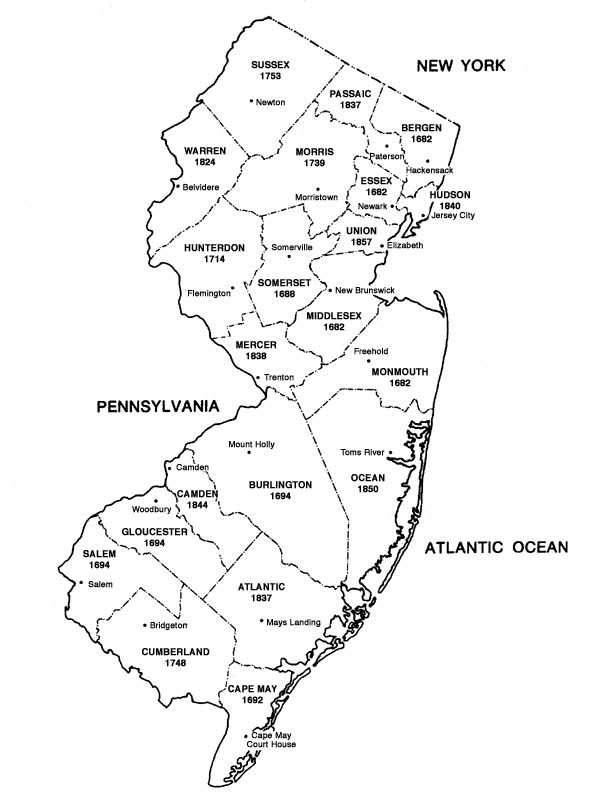
Rental assistance programs in New Jersey are designed to provide housing subsidies to very low-income residents, ensuring they can afford decent, safe, and sanitary housing. These programs aim to bridge the gap between household income and the cost of rent, making housing more accessible and preventing homelessness. The assistance is typically provided in the form of vouchers or direct payments to landlords, covering a portion of the rent.

NJ State Rental Assistance Program (SRAP)

The State Rental Assistance Program (SRAP) is a state-funded initiative administered by the New Jersey Department of Community Affairs (DCA). It offers housing subsidies to eligible New Jersey residents, helping them secure affordable rental units. (nj.gov)

Eligibility Requirements

To qualify for SRAP, applicants must meet the following criteria:

  • Be a resident of New Jersey for at least six months before applying.
  • Meet the income limits for the county where they plan to reside. Income limits vary by county and household size.
  • Fall into one of the following categories:
    • Elderly: The head of household must be 62 years of age or older.
    • Family: The head of household is 18 years of age or an emancipated minor, with or without children.
    • Disabled: The head of household or spouse must be permanently disabled.
    • Homeless: The household lacks a fixed, regular, and adequate nighttime residence.
NJ DCA check status application requirements for rental assistance in New Jersey
Tip: keep documents ready so you can respond quickly if contacted from a New Jersey rental assistance waiting list.

NJ DCA Application Process

The SRAP application process typically involves the following steps:

  1. Open Enrollment Period: The DCA announces an open enrollment period, during which pre-applications can be submitted online. This period is usually limited and lasts for a few weeks. (nj.gov)
  2. Pre-Application Submission: Applicants must complete and submit a pre-application online during the open enrollment period. Only one pre-application per household is accepted.
  3. Lottery Selection: After the open enrollment period closes, the DCA conducts a lottery to select a predetermined number of pre-applications for each category (elderly, family, disabled, and homeless). (nj.gov)
  4. Waiting List Placement: Selected pre-applications are placed on the SRAP waiting list based on their category and lottery ranking.
  5. Eligibility Interview: When funding becomes available, applicants are contacted from the waiting list for an eligibility interview. During this interview, they must provide proof of residency, income, disability (if applicable), and homelessness (if applicable).
  6. Voucher Issuance: If found eligible, the applicant will receive a SRAP voucher, which can be used to secure housing from participating landlords.

It’s important to note that submitting a pre-application does not guarantee placement on the waiting list or the issuance of a SRAP voucher. The process is competitive, and the number of available vouchers is limited.

New Jersey mapLandlord Information

Landlords play a crucial role in the SRAP program. Once a tenant receives a SRAP voucher, the landlord must agree to participate in the program and comply with its requirements, such as maintaining decent, safe, and sanitary housing conditions. The DCA will make direct payments to the landlord on behalf of the tenant, covering a portion of the rent.

Trying to navigate rental assistance NJ programs without missing a deadline? Get help understanding eligibility, documents, and next steps.

Get NJ Rental Assistance Support

Housing Choice Voucher (Section 8) Program

The Housing Choice Voucher Program, commonly known as Section 8, is a federal program administered by the U.S. Department of Housing and Urban Development (HUD). In New Jersey, the program is managed by local public housing agencies (PHAs).

The Housing Choice Voucher Program provides rental assistance to low-income families, the elderly, and individuals with disabilities. Eligible participants receive a voucher that covers a portion of their rent, and they are responsible for finding suitable housing from landlords who participate in the program.

To apply for the Housing Choice Voucher Program in New Jersey, you must contact your local PHA and follow their application process. Eligibility is based on factors such as income limits, family composition, and citizenship or immigration status.

Homelessness Prevention Program (HPP)

The Homelessness Prevention Program (HPP) is a state-funded program that aims to prevent homelessness by providing temporary rental assistance and other supportive services to eligible households. The program is administered by the DCA’s Division of Housing and Community Resources. (nj.gov)To qualify for HPP assistance, applicants must meet specific income limits and demonstrate a risk of becoming homeless due to circumstances beyond their control, such as job loss, medical emergency, or domestic violence. The assistance provided may include rental arrears, security deposits, and temporary rental subsidies.

Eligibility to receive financial assistance for past due rent in New Jersey
When you’re facing arrears or an eviction risk, rental assistance NJ programs like HPP may help stabilize your housing.

County and City-Specific Rental Assistance Programs

In addition to state-level programs, many counties and cities in New Jersey offer their rental assistance initiatives. These programs may have different eligibility criteria, application processes, and funding sources. Here are a few examples:

Essex County

Essex County offers the Emergency Rental Assistance Program (ERAP), which provides temporary rental assistance to eligible households impacted by the COVID-19 pandemic. The program is funded through federal Emergency Rental Assistance (ERA) funds.

Newark

The City of Newark has the Newark Rental Assistance Program, which provides rental assistance to low-income residents who are facing housing instability or homelessness. The program is funded through various sources, including federal grants and city funds.

Camden County

Camden County offers the Camden County Rental Assistance Program, which provides rental assistance to eligible households impacted by the COVID-19 pandemic. The program is funded through federal ERA funds.

Middlesex County

Middlesex County has the Middlesex County Emergency Rental Assistance Program, which provides rental assistance to eligible households impacted by the COVID-19 pandemic. The program is funded through federal ERA funds.

It’s important to note that the availability and eligibility criteria for these programs may change over time, so it’s recommended to check with your local county or city for the most up-to-date information.

Additional Resources for Affordable Housing in NJ and FAQs

In addition to rental assistance programs, New Jersey offers other resources and initiatives to support affordable housing:

  • Public Housing: Managed by local PHAs, public housing provides decent and safe rental housing for eligible low-income families, the elderly, and individuals with disabilities.
  • Project-Based Section 8: This program provides rental assistance for specific housing units owned and operated by private landlords.
  • Low-Income Housing Tax Credit (LIHTC): The LIHTC program encourages the development of affordable rental housing by providing tax credits to developers.
  • Nonprofit Organizations: Various nonprofit organizations in New Jersey offer housing counseling, financial assistance, and other supportive services to help individuals and families secure affordable housing.

Common Questions About Rental Assistance NJ

How do I know which NJ rental assistance program to start with?
If you’re facing immediate eviction risk, start with homelessness prevention resources first; if you’re looking for longer-term affordability, explore voucher-based options like SRAP or Section 8 through your PHA.
What should I prepare before applying for rental assistance NJ programs?
Have identification, proof of income, proof of residency, a current lease (if available), and any eviction notices or arrears documentation ready—so you can respond quickly to requests.
What happens after I’m placed on a waiting list?
You may be contacted for an eligibility interview when funding becomes available. Keep contact details updated, open mail promptly, and save digital copies of your documents.
Can a landlord refuse a voucher?
Policies vary by location and program rules. In many cases, landlords must at minimum comply with inspection and leasing requirements if they choose to participate; always verify local rules and protections.
Does New Jersey rental assistance cover arrears and security deposits?
Some programs may help with past-due rent (arrears), deposits, or short-term subsidies depending on eligibility and funding. Ask the administering agency what costs are covered under your case.

NJ DCA Check Status and Frequently Asked Questions (FAQs)

Q: How do I apply for rental assistance in New Jersey?

A: The application process varies depending on the specific program. For state-level programs like SRAP and HPP, you typically need to follow the open enrollment periods and submit pre-applications or applications online or through designated channels. For county or city-specific programs, you should contact the respective housing authority or agency for their application procedures. Also, check out NYC Rental assistance programs.

Q: What documents are required for rental assistance applications?

A: Common documents required for rental assistance applications include proof of income (pay stubs, tax returns, etc.), proof of residency, identification documents, and documents related to your specific situation (e.g., disability verification, homelessness certification).

Q: Can I receive rental assistance if I’m not a U.S. citizen?

A: Eligibility requirements for rental assistance programs may vary, but many programs are open to non-citizens who meet certain criteria, such as having a valid immigration status or being a permanent resident.

Q: How long does it take to receive rental assistance?

A: The processing time for rental assistance applications can vary depending on the program and the volume of applications received. Some programs may have waiting lists, which can extend the wait time. It’s best to inquire with the specific program or agency for an estimated timeline.

Q: Can I apply for multiple rental assistance programs simultaneously?

A: In some cases, you may be able to apply for multiple rental assistance programs simultaneously, as long as you meet the eligibility criteria for each program. However, it’s important to disclose any other assistance you are receiving or have applied for to avoid duplication or conflicts.

Q: What happens if my circumstances change after receiving rental assistance?

A: If your household income or circumstances change significantly after receiving rental assistance, you must report these changes to the program administrator. Your eligibility and assistance amount may be reevaluated based on the new information.

Q: Can I choose where to live with a rental assistance voucher?

A: With programs like the Housing Choice Voucher (Section 8), you have the flexibility to choose where to live, as long as the rental unit meets the program’s requirements and the landlord agrees to participate. However, with project-based assistance, you must live in a specific housing development.

Q: Are there any resources for landlords participating in rental assistance programs?

A: Yes, the DCA and other housing authorities provide information and resources for landlords participating in rental assistance programs. This includes guidance on program requirements, fair housing laws, and the process for receiving rental payments on behalf of tenants.

By understanding the various rental assistance programs available in New Jersey, their eligibility criteria, and application processes, you can take the first step towards securing affordable housing for yourself or your family. Remember to explore all options and seek assistance from local housing authorities or nonprofit organizations if needed.

Get Step-by-Step Help With Rental Assistance NJ Applications

If you’re trying to secure affordable housing in New Jersey, support can make the process faster and less stressful.

  • Figure out which New Jersey rental assistance program fits your situation
  • Organize documents and avoid common application mistakes
  • Understand voucher rules and landlord requirements
  • Plan next steps while you’re on a waiting list

Start NJ Rental Assistance Support