Home Blog Page 5

Emergency Rental Assistance 2026: How to Get Help in 24–48 Hours

0

How do you get emergency rental assistance in 2026 within 24–48 hours?

You can sometimes secure a same-week pledge letter or landlord payment approval in 24–48 hours by contacting 2-1-1, local emergency programs, legal aid/eviction diversion, and major charities at the same time. Funds may arrive later, but proof that help is “in motion” can buy time quickly.

Get Help Now

Emergency rental assistance 2026 guide: fast steps to get help within 24–48 hours
In 2026, speed comes from contacting multiple channels at once—2-1-1, legal aid, charities, and local programs—then documenting everything.

Quick answer: If you’re behind on rent in 2026, you can sometimes get a same-week pledge letter or landlord payment approval within 24–48 hours by contacting 2-1-1, your local emergency programs, legal aid, and major charities at the same time. The money may take longer to arrive, but proof that help is “in motion” can buy you time fast.

If you’re behind on rent right now, this isn’t about long-term strategy.

It’s about stopping the clock.

An eviction notice.

A shutoff warning.

A landlord demanding payment in days.

In 2026, the massive COVID-era programs have mostly wound down — but money is still moving through state agencies, cities, nonprofits, churches, and court-based diversion programs.

If you act fast — and contact the right gatekeepers — you can often secure a pledge letter or landlord payment approval within 24–48 hours, even if the actual funds take longer to process.

Here’s exactly what to do.

Why speed matters for emergency rental assistance in 2026

The original federal Emergency Rental Assistance (ERA) programs distributed billions through states and municipalities under the U.S. Department of the Treasury.

While the big waves of funding have closed, many states and cities are still administering:

  • Remaining ERA allocations
  • Successor housing stabilization programs
  • Eviction diversion funds
  • Rapid-rehousing grants
  • Local emergency funds

Directories maintained by organizations like the National Low Income Housing Coalition and guidance from federal agencies show that help is often redirected rather than eliminated.

Translation:

The help hasn’t vanished.

It’s just more fragmented.

That means you need to move quickly and contact multiple channels at once — and if you want a simple overview of how the system works underneath all the confusion, this breakdown of how federal emergency rental assistance works can help you understand why some programs can approve quickly even when payment takes time.

Step 1 for emergency rental assistance in 2026: what to do in the next 1–2 hours

Your goal right now is momentum.

Trigger help from several sources simultaneously.

1. Call 2-1-1 Immediately

Call 2-1-1 right now. If you prefer to start online, you can also find your local number and pathways through 211.org.

Tell them clearly:

“I’m behind on rent and facing eviction within days. I need emergency rental assistance.”

Be specific:

  • How much you owe
  • The exact deadline
  • Whether you have court papers

Ask:

  • “Are there crisis funds that can pay within 24–48 hours?”
  • “Is there eviction diversion funding tied to the court?”

Phone-based referrals often move faster than online applications. If you want a quick checklist of what to say and what to gather before you make calls, this guide on emergency housing assistance covers the same “move fast” approach in plain language.

2. Contact Your Landlord in Writing

Send an email or text that says:

  • You are actively applying for emergency assistance.
  • You’ve contacted 2-1-1 and local agencies.
  • You are requesting a brief hold while funds process.

Many landlords will pause filings if they know money is pending.

Documentation buys time.

3. Gather These Documents Now

Having paperwork ready can cut weeks off processing, especially when you’re trying to land a quick approval:

  • Government ID
  • Signed lease
  • Rent ledger (showing balance due)
  • Income proof (or proof of job loss)
  • Utility shutoff notice (if applicable)
  • Eviction notice or court summons

Agencies often approve faster when documentation is complete upfront.

Applying for rental assistance programs: documents and proof of emergency timeline
The fastest cases are the most complete cases: lease, ID, rent ledger, and proof of urgency (notice, summons, shutoff).

Step 2: use national emergency rental assistance directories to find open programs

Even though ERA1 and ERA2 are largely closed, many programs are still listed and redirected through national databases.

Start with:

Search format (yes, literally type it this way):

“Emergency rental assistance [Your State] 2026”

Cross-check results with the NLIHC database to confirm whether programs are open, paused, or redirecting applicants.

Even if a state program shows “closed,” the listing often links to successor agencies or nonprofit partners.

And if you need a central “start here” page before you go state-by-state, the main emergency rental assistance programs hub can help you navigate by category and location.

Step 3: the state-by-state strategy to find fast rental help anywhere

Every state follows a similar structure. Use this pattern to move quickly, even if your state portal looks confusing at first.

1. State Housing Agency

Each state has a Department of Housing or Community Affairs.

Look for pages labeled:

  • Help for Renters
  • Emergency Assistance
  • Eviction Prevention
  • Housing Stabilization

Search:

“Department of Housing emergency rent [Your State]”

State agencies often link to smaller nonprofits that can issue same-week pledges while larger funds process.

2. City and County Programs

Large cities frequently run their own emergency funds.

Search:

  • “Emergency rental assistance [Your City]”
  • “[County Name] housing stabilization program”

If you live near a metro area, always check:

  • City website
  • County website
  • Local housing authority

City-level programs often move faster than statewide systems.

3. Legal Aid and Eviction Diversion Programs

If you already have court papers, call legal aid immediately.

A good national starting point is the Legal Services Corporation directory, which routes many people to local legal aid providers.

Search:

“Legal aid eviction help [Your State]”

Eviction diversion programs can:

  • Pause court proceedings
  • Connect directly to rental assistance funds
  • Issue same-week pledges to landlords

Judges are more likely to delay eviction when assistance is actively processing.

4. Faith-Based and Community Charities

When government programs slow down, churches and nonprofits often fill the gap.

Examples include:

Local chapters frequently offer:

  • Same-day rent pledges
  • Partial payments to landlords
  • Utility shutoff prevention

These programs are often small but fast.

Speed matters more than size right now.

Rental assistance government programs 2026: state and local emergency funds and diversion programs
The system is more fragmented in 2026, but that also means there are multiple entry points—state, city/county, courts, and nonprofits.

Step 4: what to say to be treated as an emergency in 2026

The words you use matter.

When speaking to agencies, clearly state:

  • The exact amount owed
  • The eviction or shutoff date
  • Whether court has been filed
  • Special circumstances (children, disability, medical emergency, job loss)

Then ask directly:

  • “Do you have crisis funds available within 24–48 hours?”
  • “Is there a partner agency that can issue a pledge letter quickly?”
  • “Is there court-based rental assistance tied to my case?”

Many programs maintain small emergency pools separate from standard grants.

You won’t know unless you ask.

Step 5: the 24–48 hour emergency rental assistance sprint checklist

If eviction is imminent, treat this like a sprint:

  1. Call 2-1-1.
  2. Call your state housing hotline.
  3. Contact at least two major charities.
  4. Contact legal aid immediately.
  5. Email your landlord attaching proof of applications.

Your objective is proof of effort.

Even if funds aren’t disbursed yet, a written pledge or confirmation can delay eviction.

Judges and landlords respond differently when assistance is actively in motion.

Step 6: after the immediate crisis, stabilize so you don’t fall behind again

Once you stabilize this month, think longer term.

Ask agencies about:

  • Housing Choice Vouchers (Section 8) through your local housing authority
  • Reduced-rent units
  • Budget counseling programs
  • Employment or income support
  • Utility discount programs

The U.S. Department of Housing and Urban Development oversees voucher programs, though waitlists can be long.

Some nonprofits also combine rent aid with job placement support, credit repair counseling, and budget coaching.

Ask every organization:

“What ongoing help is available so I don’t fall behind again?”

And if you want to understand how this site organizes programs and resources before you start clicking around, the About page explains how the listings are structured and what to expect when programs are open, paused, or redirected.

Common emergency rental assistance questions for 2026

Can I really get rental help in 24–48 hours?
Sometimes you can get a same-week screening, approval, or a pledge letter within 24–48 hours. The payment itself may take longer, but proof that assistance is processing can buy time with landlords or courts.
What should I say to 2-1-1 to get treated as urgent?
State the amount owed, the exact deadline, and whether you have an eviction notice/court papers. Then ask directly about crisis funds and pledge letters tied to eviction diversion.
What documents are most important for fast approval?
ID, signed lease, rent ledger showing balance due, and proof of urgency (notice/summons/shutoff). Missing documents are a common reason cases slow down.
What if my state program says “closed”?
“Closed” often means redirected. Use national directories (NLIHC + HUD) to find successor programs, city/county funds, court diversion programs, and nonprofit partners.
Will a landlord or judge pause an eviction if I show proof?
Often, yes—especially if you can provide a case number, appointment confirmation, or pledge letter. Results vary, but documentation consistently improves your odds.

Final takeaway: emergency rental assistance in 2026 is fragmented, but fast action still works

Emergency rental assistance in 2026 is no longer one giant federal portal.

It’s a patchwork.

But patchwork doesn’t mean powerless.

If you move within hours, contact multiple sources, use precise language, and document everything, you can often secure a pledge letter or emergency support within 24–48 hours.


Clay County FL Rental Assistance: ERAP Eligibility and How to Apply

0

Last updated: June 26, 2026

Quick Answer

To get rental assistance in Clay County, FL, verify your household income is below 80% of the Area Median Income (AMI), document your financial hardship, and gather required documents — ID, lease, proof of income, and utility bills if applicable. Apply through the Clay County ERAP portal or through qualified nonprofit partners such as Catholic Charities of Jacksonville or Mercy Support Services.

Clay County FL ERAP rental assistance program
Clay County ERAP is the primary option for rent and utility relief for eligible households in the county

Overview of Rental Assistance in Clay County

Rental assistance in Clay County, FL is designed to help low- and moderate-income households avoid eviction, maintain utility services, and regain housing stability after financial crises. Assistance may be available through local government initiatives, state-funded programs, and nonprofit organizations. With Clay County median rent rising sharply since 2022 and eviction filings up significantly post-pandemic, timely access to these programs can be the difference between staying housed and displacement. For a full picture of what remains available across the state, the Florida rent assistance programs guide covers county-level and statewide options currently accepting applications.

ERAP (Emergency Rental Assistance Program): A rental relief program that can cover rent and utilities for eligible households facing hardship, with payments made directly to landlords and utility providers.
Area Median Income (AMI): A regional income benchmark used to set eligibility thresholds for rental assistance — most programs use 80% AMI as a key cutoff, with priority often given to households below 50% AMI.

What Rental Assistance Covers

  • Rent payments — past-due and current rent obligations.
  • Utility bills — electricity, water, and occasionally internet service.
  • Security deposits and first month’s rent for households securing new housing — see the Florida rent deposit assistance guide for programs that specifically cover move-in costs.
  • Relocation costs for households forced to move due to qualifying hardship circumstances.

Who Is Eligible

  • Low-income households earning less than 80% of the Area Median Income (AMI).
  • Documented financial hardship such as income loss due to COVID-19, medical emergencies, or job loss.
  • Proof of Clay County residency such as a lease agreement or utility bill.
  • Valid ID and Social Security Number for all household members.

Top Rental Assistance Programs in Clay County

Clay County Emergency Rental Assistance Program (ERAP)

The Clay County Emergency Rental Assistance Program is the primary government-backed initiative providing direct financial aid to renters affected by income disruption. Funded through the federal Emergency Rental Assistance fund and administered locally, the program prioritizes low-income renters at risk of eviction. Payments are made directly to landlords and utility providers — funds do not pass through the tenant. Landlords may also apply on behalf of qualifying tenants with the tenant’s consent, and both parties must provide documentation.

Required documents to apply:

  • Proof of income (pay stubs, unemployment statements, or benefit letters).
  • Current lease agreement or rental statement.
  • Utility bills (required only if applying for utility assistance).
  • Valid government-issued ID and proof of Clay County residency.

Fast-Track Document Tips

  • Upload readable PDFs or photos — avoid blurry or cropped images.
  • Make sure names and addresses match across your ID, lease, and bills.
  • Respond quickly to any requests for missing documents — delays here are the most common cause of slow processing.

“When applications include a complete document set — ID, lease, income, and hardship proof — review times are often faster and households can avoid last-minute eviction stress.”

— Local Housing Intake Specialist

Florida Department of Children and Families

While the Our Florida pandemic-specific program has wound down its COVID-era funding, the Florida Department of Children and Families (DCF) continues to oversee rental and housing resources at the state level. Support may still be available under special programs or through referrals to local partners. Residents can visit the DCF website to check for open programs and related housing initiatives.

Behind on rent in Clay County? Get help choosing the right program and submitting a complete application before eviction risk increases.

Check If You Qualify

Local Nonprofits and Faith-Based Organizations in Clay County

In addition to government ERAP funding, several Clay County nonprofits offer rental assistance, case management, and application support with more flexible eligibility and often faster processing than government programs alone.

Catholic Charities of Jacksonville

Catholic Charities of Jacksonville offers emergency rent, utility, and food assistance to residents in the greater Jacksonville area including Clay County. The organization prioritizes families with children and elderly residents, and caseworkers can help navigate eligibility and application steps.

Mercy Support Services

Mercy Support Services provides holistic family support including housing assistance, and offers direct help completing applications and following up with program staff. For households juggling multiple crises, their wraparound services can reduce the administrative burden of applying.

Salvation Army of Northeast Florida

The Salvation Army of Northeast Florida offers short-term rental and utility help alongside emergency shelter, food assistance, clothing, and financial literacy support. Households can often receive multiple types of assistance through a single intake appointment.

Clay County Housing Context: Why Assistance Matters Now

Insight Source
1 in 5 Florida renters were behind on rent as of late 2024 U.S. Census Bureau Pulse Survey
Clay County median rent increased by 12% from 2022 to 2024 Zillow Rent Index
Eviction filings in Clay County are up significantly post-pandemic Clay County Clerk of Courts

“We’ve seen a surge in rental assistance applications in Clay County. Many families are just one paycheck away from losing their home.”

— Susan White, Director, Mercy Support Services

Renters in neighboring counties facing similar hardship can also explore resources through the Osceola County rental assistance program and Tallahassee/Leon County housing assistance. Tenants who have already received an eviction notice should immediately review alternatives to eviction available in Florida — applying for rental assistance can be cited in court proceedings to demonstrate good-faith effort.

Frequently Asked Questions About Clay County Rental Assistance

What is rental assistance in Clay County?

Rental assistance in Clay County is financial help provided to low-income residents to pay for rent, utilities, and housing stability services. Programs aim to prevent eviction and homelessness, and payments are typically made directly to landlords and utility providers rather than to the tenant.

Who qualifies for rental assistance in Clay County?

Eligibility typically includes households earning under 80% of the Area Median Income (AMI), with documented financial hardship, proof of Clay County residency, and valid ID. Some programs give priority to households below 50% AMI or those with a member unemployed for 90 or more days.

How long does it take to receive rental assistance funds?

Processing times typically range from 2 to 6 weeks depending on the program and how complete your application is. Submitting all required documents upfront — without gaps or mismatches — is the single most effective way to avoid delays. Respond quickly to any follow-up requests from program staff.

Can landlords apply for Clay County ERAP on behalf of tenants?

Yes. Landlords can initiate a Clay County ERAP application with the tenant’s consent. Both parties must provide documentation — the landlord typically provides the lease and rent ledger, and the tenant provides income and hardship documentation. Funds are paid directly to the landlord once approved.

What should I do if I’m at immediate risk of eviction?

Apply for rental assistance immediately through the Clay County ERAP portal or a nonprofit partner. Notify your landlord that an application is pending, and if an eviction case is already filed, inform the court of your pending application — many programs prioritize applicants with active eviction proceedings. Contact Mercy Support Services or Catholic Charities for expedited case management support.

Facing Eviction or Behind on Rent in Clay County?

Clay County’s ERAP may cover overdue rent and utilities, paid directly to your landlord and providers. Processing takes 2–6 weeks — act now before your situation worsens.

Local support also available from Mercy Support Services and Catholic Charities of Jacksonville.

Start Your Application Now

Alachua County FL ERAP: How to Apply for Emergency Rental Assistance

0

Last updated: June 26, 2026

Quick Answer

The Alachua County Emergency Rental Assistance Program (ERAP) helps income-qualified residents cover past-due rent, utility bills, and related housing costs. Managed by the Alachua County Department of Social Services in partnership with United Way of North Central Florida, the program accepts applications online and in person. Households must earn at or below 80% of the Area Median Income (AMI) and document a qualifying financial hardship. Processing takes approximately 3 to 5 weeks. Call the ERAP hotline at 352-704-0301 for assistance.

What Is ERAP and Why Does It Matter in Alachua County

The Emergency Rental Assistance Program was created under the CARES Act and expanded through the American Rescue Plan Act to help Americans stay housed during periods of financial instability. In Alachua County, the program has distributed over $15 million since 2021, with an average benefit of approximately $4,500 per household. Rising housing costs, persistent job market volatility, and the lingering economic effects of the pandemic continue to make ERAP a critical resource for Gainesville-area renters and the landlords who serve them. For a broader picture of what is available statewide, the Florida rent assistance programs guide covers county-level and emergency resources currently accepting applications.

ERAP’s core goals are preventing evictions and homelessness, maintaining housing stability for vulnerable households, and supporting landlords facing non-payment issues. In Alachua County, the program is administered by the Department of Social Services in collaboration with United Way of North Central Florida, local nonprofits, and the Legal Aid Society of the Eighth Judicial Circuit. Applications are handled primarily online, with in-person assistance available for residents who lack digital access or need navigational help.

Alachua County ERAP at a Glance

Total distributed: Over $15 million since 2021
Avg. benefit: ~$4,500 per household
Processing time: 3–5 weeks
ERAP hotline: 352-704-0301

Who Is Eligible for ERAP in Alachua County

To ensure funds reach those who need them most, ERAP has specific criteria applicants must meet. The three core requirements are:

  • Income limit: Total household income at or below 80% of the Area Median Income (AMI) for Alachua County. Priority is given to households below 50% AMI and to those with a member who has been unemployed for at least 90 days.
  • Financial hardship: Documented income loss due to job reduction, layoffs, illness, medical emergencies, or caregiving responsibilities.
  • Housing instability: At risk of eviction, behind on rent, or living in unsafe or unstable housing conditions.

What ERAP Covers

  • Rental assistance: Up to 12 months of rent, covering both past-due and upcoming payments, with a maximum household benefit of $20,000.
  • Utility assistance: Help with overdue electric, water, sewer, and trash bills — applicants can also request utility assistance independently of rental support.
  • Additional costs: Late fees, court costs related to eviction proceedings, and relocation expenses if moving becomes necessary.

Payments are made directly to landlords and utility providers — funds do not pass through the tenant. The broader Alachua County ERAP program overview covers the program’s full history and impact on local housing stability since its launch.

Struggling with rent in Alachua County? Get step-by-step help applying for ERAP before your situation worsens.

Check If You Qualify

Step-by-Step Guide to Applying for ERAP in Alachua County

Step 1 — Visit the Official Application Portal

Start at the Alachua County ERAP portal or visit one of the in-person help centers throughout the county. The portal includes a secure application form, a document upload section, and FAQ resources. Residents without internet access can apply through United Way of North Central Florida, designated public libraries, or county service centers.

Step 2 — Gather Required Documents

Incomplete applications are the most common cause of processing delays. Collect these documents before you start:

  • Valid photo ID (driver’s license, state ID, or passport).
  • Signed lease agreement listing tenant and landlord information.
  • Proof of income (pay stubs, unemployment letters, tax returns, or benefit notices for all adults).
  • Eviction notice or late rent notice, if applicable.
  • Utility bills if requesting utility assistance.
  • Landlord’s contact details if they will participate in the application.

Step 3 — Submit Your Application

Submit online through the portal or in person at a county service location. Upload PDFs or clear photos of all documents. Fill out the household eligibility form completely — small mistakes can delay your application by weeks. Landlords may also submit a participation form to receive direct payment on behalf of qualifying tenants.

Step 4 — Monitor Your Application Status

Expect a response within 3 to 5 weeks. You will be contacted by email or phone if additional documentation is needed — respond promptly, as delays at this stage are avoidable. You can check your status through the application portal or by calling the ERAP hotline at 352-704-0301. Applicants with disabilities can contact the Equal Opportunity Office at (352) 374-5275.

“Tenants and landlords working together increases the chance of fast approvals.”

— Jason M., Housing Coordinator, Alachua County

Local Resources and Where to Get Help in Alachua County

If you need help applying or navigating the process, these organizations provide direct support:

Renters in nearby counties can also look for similar support. The Jacksonville rental assistance program serves Duval County residents with comparable eligibility and document requirements. Renters across North Central Florida may also find resources through rental assistance in Ocala and Marion County. Tenants already in eviction proceedings should immediately review alternatives to eviction — an ERAP application in progress can be cited in court to demonstrate good-faith effort to resolve arrears.

Frequently Asked Questions About Alachua County ERAP

Is ERAP still accepting applications in Alachua County?

As of 2025, Alachua County continues to accept ERAP applications while funds remain available. Check the Alachua County portal or call 352-704-0301 to confirm current availability before applying, as funding is subject to exhaustion.

How long does the ERAP process take in Alachua County?

Applications are typically processed within 3 to 5 weeks, depending on how complete and accurate the documentation is. Submitting a full document set at the time of application is the most effective way to avoid delays. Missing documents result in follow-up requests that extend the timeline.

Do landlords get paid directly through ERAP?

Yes. If the landlord participates in the application, payments are made directly to them once the application is approved. Landlords must submit a participation form and provide their own documentation. Landlord participation typically speeds up the review process.

Can I apply for utility assistance only?

Yes. Applicants can request utility assistance independently of rental support if they meet the income and hardship eligibility criteria. Eligible utilities include electricity, water, sewer, and trash service. Submit utility bills as supporting documentation when applying.

What happens if I make a mistake on my application?

You will be contacted to correct any errors or provide missing information, but this will delay your processing timeline. Always double-check your submission before sending — verify that names and addresses match across your ID, lease, and bills, and that all income documentation covers the full household. The most common denial reasons are incomplete applications and document errors.

Struggling With Rent in Alachua County? Act Now

ERAP funds are available while they last. Get guidance on eligibility, documents, and next steps before your situation escalates.

Start Your Application Now

NYC Section 8 Voucher Program: Eligibility, Application, and 2026 Waitlist Status

0

What is the NYC Section 8 Voucher Program?

The NYC Section 8 Voucher Program — officially the Housing Choice Voucher (HCV) Program — is a federally funded rental subsidy administered by the New York City Housing Authority (NYCHA). Eligible households pay roughly 30% of their income toward rent and NYCHA covers the remainder up to the program’s payment standard. As of 2026, the general NYCHA waitlist is closed and paused; the most recent opening was a brief lottery window in June 2024.

Find NYC Rental Assistance Programs

Apartment buildings in New York City where Section 8 Housing Choice Vouchers can be used
The NYC Section 8 program helps income-eligible families rent in the private market across all five boroughs.

For low-income New Yorkers, the NYC Section 8 Voucher Program is one of the most powerful housing tools available — and one of the hardest to access. The program bridges the gap between what a family can afford and what private-market rents actually cost in one of the most expensive cities in the country. Understanding how it works, who qualifies, and what the 2026 waitlist situation actually looks like is essential before you decide how to direct your housing search.

How the NYC Section 8 Program Works

The New York City Housing Authority (NYCHA) administers the Housing Choice Voucher Program under federal funding and rules set by HUD. With over 92,000 participating households, it is the largest Section 8 program in the country.

How the subsidy works: eligible households typically pay 30% of their monthly adjusted gross income toward rent, and NYCHA pays the difference between that amount and the unit’s approved rent (up to the program’s Payment Standard). The voucher is tenant-based — meaning it moves with you when you relocate, as long as the new unit meets the program’s Housing Quality Standards and the landlord agrees to participate.

Housing Choice Voucher (HCV)

A tenant-based subsidy that travels with the renter to any qualifying private unit whose landlord agrees to participate.

Project-Based Voucher (PBV)

A subsidy tied to a specific apartment, not to the tenant. If you move out, the assistance stays with the unit.

Payment Standard

The maximum amount NYCHA will pay per bedroom size. Units above the payment standard require the tenant to cover the gap.

Housing Quality Standards (HQS)

Federal minimum requirements a unit must meet before NYCHA will approve it for a voucher-holding tenant.

Area Median Income (AMI)

The income benchmark HUD sets annually for the NYC metro area, used to determine who qualifies for the voucher program.

NYC Section 8 Eligibility Requirements

Several factors determine whether your household qualifies when a waitlist is open.

Income

Section 8 generally requires household income at or below 50% of the Area Median Income for New York City, defined as the Very Low Income limit. However, by federal law, 75% of new vouchers must go to households at or below 30% AMI (the Extremely Low Income threshold). For 2026, the NYC AMI is $120,800 for a family of four, which means the 50% threshold sits at approximately $60,400 for a four-person household, and the 30% priority threshold at approximately $36,240.

2026 NYC Income Thresholds for Section 8 Eligibility

Household Size 50% AMI (Very Low Income) 30% AMI (Priority)
1 person ~$42,300 ~$25,400
2 people ~$48,350 ~$29,000
3 people ~$54,400 ~$32,650
4 people ~$60,400 ~$36,240

Figures are estimates based on 2026 NYC HUD AMI data. Always verify current limits at hud.gov or with your administering agency, as income limits are updated annually.

Immigration Status

At least one member of the household must be a U.S. citizen or have eligible immigration status. Mixed-status households can apply — the subsidy is prorated to cover only the eligible members, which reduces but does not eliminate the benefit.

Rental History and Background

NYCHA requires a satisfactory rental history. Background checks are conducted on all household members aged 16 and older. Certain types of criminal history may affect eligibility, though NYCHA’s screening policies have been updated in recent years to narrow the categories of disqualifying offenses.

The 2026 NYC Section 8 Waitlist: What You Need to Know

Current Status (as of July 2026)

NYCHA paused active outreach, application processing, and voucher issuance for the general HCV waitlist effective August 1, 2025 — and the pause remains in effect. This was triggered by NYCHA absorbing Emergency Housing Voucher holders after HUD ended the EHV program. The last general waitlist opening was a one-week lottery in June 2024, which placed 200,000 households on the list out of far more applicants. There is no announced date for the next general opening.

This is a significant departure from how the source article presents the program. The article implies you can apply at any time — but in reality, even getting onto the NYCHA waitlist requires waiting for a rare lottery window. And once on the list, NYC wait times historically run 4 to 8 or more years before a voucher is issued. If you’re dealing with a housing need now, pursuing the waitlist alone is unlikely to solve your immediate situation.

Apply to the NYCHA waitlist whenever a window opens — but don’t count on it as your only plan. The gap between applying and receiving a voucher is often measured in years, not months.

In the meantime, New York State Homes and Community Renewal (HCR) does periodically open short windows for Project-Based Voucher waitlists at specific NYC buildings — a different option worth monitoring at hcr.ny.gov/hcv. These are tied to individual properties rather than portable vouchers, but they can move faster. For context on how NYC compares nationally, this state-by-state Section 8 waitlist breakdown shows where NYC sits in the national picture.

Need Housing Help While You Wait?

Find emergency rental assistance and interim programs in NYC that don’t require an 8-year wait.

Explore NYC Rental Programs

How to Apply for a Section 8 Voucher in NYC

When a NYCHA waitlist opening is announced, the application process is fully online. Here’s what the steps look like:

  1. Monitor NYCHA’s website and NYC.gov. Waitlist openings are announced with limited advance notice — sometimes just days ahead. Sign up for NYCHA email alerts to avoid missing a window.
  2. Submit your application during the open window. The 2024 lottery ran for just one week (June 3–9). Applications outside the window are not accepted.
  3. Wait for lottery placement notification. Applications are selected randomly, not on a first-come basis. Placement on the list does not mean you’ll receive a voucher soon.
  4. Keep your information current. Once on the waitlist, log into the NYCHA Self-Service Portal to update your address, income, and household composition whenever they change. Outdated information can cause your application to be skipped.
  5. Attend your eligibility interview when called. NYCHA will verify income, assets, expenses, and household composition, and conduct criminal background checks before issuing a voucher.

Several organizations can provide application guidance when a window opens. The Coalition for the Homeless, the Legal Aid Society, and Met Council on Housing all offer free assistance for low-income New Yorkers navigating the Section 8 process. The NYC Human Resources Administration (HRA) and NYC Department of Housing Preservation and Development (HPD) also administer separate rental subsidy programs worth exploring. For a broader picture of programs moving faster than NYCHA’s general list right now, this overview of rental assistance programs that can work faster than Section 8 is worth reading.

Finding an Apartment That Accepts Section 8 Vouchers

Holding a voucher is only half the challenge — you also need to find a landlord willing to participate. Not all landlords in NYC accept Section 8 vouchers, though Local Law 147 of 2017 prohibits discrimination based on lawful source of income in most of the city. Practical strategies include:

  • Using NYCHA’s online search tools and the Section 8 housing list available through the Self-Service Portal
  • Searching listings on platforms like Streeteasy and Craigslist filtered for “Section 8 accepted”
  • Working with housing counselors at nonprofits like the Coalition for the Homeless, who maintain updated landlord connections
  • Checking the NYC Housing Connect portal for subsidized units in newly constructed affordable buildings

Once you identify a unit, NYCHA must inspect it to confirm it meets Housing Quality Standards before approving the lease. Budget time for this step — it can take several weeks from application to move-in even after you’ve found a willing landlord. For guidance on what waitlist timing looks like across NYC-area programs, this resource on Section 8 waiting lists and where the shortest waits are in 2026 helps set realistic expectations.

Benefits of the NYC Section 8 Program for Tenants and Landlords

When a voucher is in hand and a landlord is willing, Section 8 delivers meaningful advantages on both sides of the lease.

For Tenants

  • Rent capped at approximately 30% of monthly adjusted gross income, regardless of market conditions
  • Access to neighborhoods and units that would otherwise be unaffordable on a low income
  • Long-term housing stability — voucher holders tend to remain in place for extended periods precisely because the subsidy makes their rent sustainable
  • Portability after 12 months of participation — the voucher can follow you if you move to another jurisdiction

For Landlords

  • Direct, reliable monthly payments from NYCHA covering the subsidized portion of rent
  • Reduced vacancy risk — Section 8 tenants typically stay longer because the program keeps their rent affordable long-term
  • Access to a large pool of pre-screened applicants through NYCHA’s housing list

Challenges and Practical Resources for Section 8 Applicants

The NYC Section 8 program carries well-documented challenges beyond just the waitlist. Scarcity of participating landlords, long inspection timelines, and the complexity of the eligibility process are real barriers for many families. Organizations providing free support include:

  • Coalition for the Homeless — housing navigation, rights education, and Section 8 application guidance (212-776-2000)
  • Legal Aid Society — free legal representation for eligible low-income tenants in housing court (212-577-3300)
  • Met Council on Housing — tenant rights workshops, hotline, and Section 8 counseling (212-979-6238)
  • NYCHA Customer Contact Center — for current waitlist holders and voucher participants (718-707-7771)
  • NYC Department of Housing Preservation and Development (HPD) — administers a separate Section 8 program for some NYC residents

If you’re behind on rent and can’t wait for a voucher, the income limits guide can help you understand which emergency programs you might qualify for in the meantime.

Frequently Asked Questions About NYC Section 8

Is the NYCHA Section 8 waitlist open right now?

No. As of July 2026, NYCHA has paused active outreach and voucher issuance for the general HCV waitlist. The pause began August 1, 2025. Monitor nyc.gov/nycha for announcements about future openings.

How long is the wait for a Section 8 voucher in NYC?

Historically 4 to 8 or more years for NYCHA’s general HCV program — some of the longest waits in the country. Project-Based Vouchers at specific buildings through HCR may move faster and are worth monitoring separately.

What are the income limits for NYC Section 8 in 2026?

You must earn at or below 50% of the NYC Area Median Income (approximately $60,400 for a family of four in 2026). By law, 75% of new vouchers must go to households at or below 30% AMI (approximately $36,240 for a family of four). Always confirm current limits at hud.gov as they update annually.

Do all NYC landlords have to accept Section 8 vouchers?

Under NYC’s source-of-income discrimination law, most landlords cannot refuse tenants solely because they hold a Section 8 voucher. However, landlords can decline for other lawful reasons, so not every unit is in practice accessible to voucher holders.

Can I use a Section 8 voucher to move outside NYC?

Yes, after 12 months of program participation you can port the voucher to another jurisdiction with an HCV program. This portability is one of the most valuable features of the Housing Choice Voucher compared to project-based assistance.

Don’t Wait Years to Get Help

The Section 8 waitlist is the long game. Here’s what to do in the meantime:

Monitor nyc.gov/nycha for the next waitlist opening window

Apply to HCR Project-Based Voucher lists opening July 13–24, 2026

Call 211 for local emergency rental assistance programs

Contact Coalition for the Homeless or Legal Aid for free guidance

Find Rental Assistance Programs Now

Fresno CA Emergency Rental Assistance Program: Tenants and Landlords

0

Last updated: June 26, 2026

Quick Answer

The City of Fresno received approximately $42 million in federal and state emergency rental assistance funding to help COVID-19-impacted residents stay housed. The Fresno ERAP covered up to 18 months of past-due and future rent and utility bills for income-qualified tenants and participating landlords. Program funds may be fully exhausted; check the city portal for current availability.

How to apply for emergency rental assistance programs in Fresno, California
Emergency rental assistance application resources for Fresno, CA tenants and landlords

About the Fresno Emergency Rental Assistance Program

The City of Fresno, through its Housing and Community Development Department, partnered with six community benefit organizations (CBOs) to administer the Emergency Rental Assistance Program (ERAP) for residents affected by COVID-19. The program was funded with approximately $42 million in combined federal and state dollars — one of the larger municipal ERAP allocations in California’s Central Valley. To understand how ERAP programs work at the federal level, funding flowed through the Consolidated Appropriations Act of 2021 and the American Rescue Plan Act.

Both landlords and tenants were eligible to participate. The program’s goal was to cover 100% of qualified rent and utility costs for eligible households — removing financial barriers for tenants while ensuring property owners recovered unpaid balances. Even after California’s eviction moratorium expired, Fresno residents could still apply for ERAP protection while funds remained. For a broader look at what is still available across the state, the California rental assistance programs directory covers active and recently closed programs by county.

Program at a Glance

Total Funding: ~$42 million
Coverage: Up to 18 months
Who Can Apply: Tenants and landlords
Administered by: City of Fresno + 6 CBOs

What Does the Fresno ERAP Cover

The program provided assistance across three categories of housing costs:

Past-Due Rent

If a landlord participates in the California COVID-19 Rent Relief program, they may receive payment for unpaid rent dating back to April 1, 2020. If a landlord declines to participate, tenants who meet eligibility standards can apply independently and still receive assistance for back rent going back to the same date. In that case, the tenant is required to pay the landlord within 15 business days of receiving funds.

Future Rent

Qualified tenants may receive up to three months of prospective rent assistance per application cycle. Future rent payments can only be issued in three-month increments, and applicants must provide proof of income to access this benefit. A practical example: 15 months of rent arrears plus 3 months of future rent equals the maximum 18-month coverage allowed per application.

Utility Bills

Tenants who have not paid utility bills in full since April 1, 2020 may be eligible for 100% utility assistance. Utilities provided directly by a landlord are typically included in the rental price calculation. The combined maximum for rental and utility assistance is 18 months per application. Local nonprofits and community organizations can also help bridge gaps — resources like churches offering rent assistance are worth exploring if you are still waiting on ERAP funds.

Behind on rent or utilities in Fresno? Find out what assistance may still be available to you.

Check If You Qualify

Fresno ERAP Priority Phases and Processing Order

When demand exceeded available funds, the Fresno ERAP processed applications according to the following priority structure:

  • First Priority: Rent arrears for applicants with household incomes below 50% of the Area Median Income (AMI).
  • Second Priority: Rent arrears for applicants with household incomes between 50% and 80% of AMI.
  • Third Priority: Unpaid utility bills for income-qualified households.
  • Fourth Priority: Future rent assistance for qualified tenants who have provided proof of income.

Pro Tip

Even if ERAP funds in Fresno are exhausted, tenants facing eviction still have legal protections and options available. Reviewing your alternatives to eviction — including payment plans, mediation, and legal aid — is an important step before any court proceedings begin.

Eligibility and Required Documents for Fresno ERAP

Tenant Eligibility and Documents

Tenants must meet all of the following criteria to qualify:

  • The rental property must be located within the City of Fresno.
  • Household income must fall within the Fresno County Area Median Income limits (generally at or below 80% AMI).
  • The applicant must have outstanding rent or utilities, or be seeking prospective rent assistance.
  • Proof of citizenship is not required — immigration status does not affect eligibility for income-qualified applicants.

Income documentation (one of the following):

  • Proof of enrollment in a state or federal subsidy program (WIC, CalWORKS, CalFresh) — no additional income verification required if this is provided.
  • W-2 and 1099-G forms (for unemployed applicants, for the applicable tax year).
  • Most recent pay stubs.
  • CalFresh or CalWORKS acceptance or renewal letter (2020 or 2021 preferred).

Landlord Eligibility and Documents

Landlords of Fresno rental properties could apply on behalf of their tenants. Requirements include:

  • The rental property must be located within the City of Fresno.
  • The tenant’s household income must qualify under the Fresno County AMI income table.
  • Outstanding rent must be owed and documented — assistance is not available for periods prior to April 1, 2020.
  • The landlord must complete the landlord section of the online application at era.fresno.gov.

Required documents for landlords:

  • Signed lease or rental agreement showing the tenant’s name, property address, monthly rent amount, and lease terms.
  • Rent ledger or rent statement showing the outstanding balance owed from April 1, 2020 onward.
  • W-9 form (required for tax purposes on rental assistance disbursements).

Renters in nearby Sacramento County facing similar circumstances can find parallel programs through the Sacramento County Emergency Rental Assistance Program. Tenants facing eviction proceedings in any California county should also review the alternatives to eviction available before a court date is set.

Frequently Asked Questions About Fresno Emergency Rental Assistance

Is the Fresno ERAP still accepting applications?

Program funds were anticipated to be exhausted by September 30, 2025. Check era.fresno.gov for the current status. If Fresno funds are no longer available, residents should explore statewide California assistance options or contact local community benefit organizations for referrals to any remaining housing support resources.

How much rental assistance can a Fresno household receive?

The maximum is 18 months of combined rent and utility assistance per application. This can be structured as rental arrears alone, or a combination of arrears and future rent — though future rent is capped at three months per cycle and requires proof of income. Example: 15 months of back rent plus 3 months of future rent equals the 18-month maximum.

Can undocumented residents apply for the Fresno ERAP?

Yes. The Fresno ERAP explicitly states that proof of citizenship is not required and that immigration status does not affect eligibility for income-qualified applicants. All residents who meet the income and residency requirements are encouraged to apply regardless of immigration status.

What if my landlord refuses to participate in the ERAP?

Tenants can still apply independently even if their landlord declines to participate. If approved, the tenant receives the funds directly and is required to pay the landlord within 15 business days. This provision was specifically designed to ensure that a non-participating landlord does not prevent an eligible tenant from receiving assistance.

Does the Fresno ERAP cover utility bills?

Yes. Tenants who have not paid utility bills in full since April 1, 2020 are eligible for 100% utility assistance under the program. Utilities included in the landlord’s rental price are factored into the overall assistance calculation. Utility assistance counts toward the 18-month per-application cap combined with rent assistance.

Behind on Rent in Fresno? Get Help Before It’s Too Late

Landlords and tenants in Fresno may still have access to emergency rental and utility assistance. Connect with an advisor to explore your options.

Start Your Application Now

Huntsville AL Emergency Rental Assistance Program Guide

0

Last updated: June 26, 2026

Quick Answer

The City of Huntsville received over $6 million in federal Emergency Rental Assistance (ERAP) funding to help COVID-19-impacted households cover past-due rent and utility costs. Eligible households must earn at or below 50% of the Area Median Income (AMI), demonstrate a COVID-19-related hardship, and rent a primary residence within Huntsville city limits. Both tenants and landlords could apply. Residents who have not previously received ERAP funds may still be eligible — check the Alabama rental assistance guide for currently active programs.

How to apply for emergency rental assistance programs in Huntsville, Alabama
Emergency rental and utility assistance application resources for Huntsville, AL residents

About the Huntsville Emergency Rental Assistance Program

The U.S. Department of the Treasury allocated $25 billion in Emergency Rental Assistance funding to state and local governments to help households facing financial hardship due to COVID-19. The City of Huntsville received more than $6 million of this federal funding to disburse directly to qualifying residents. The program’s purpose was to provide financial assistance to landlords and utility providers on tenants’ behalf — covering past-due rent and utility or home energy expenses to prevent eviction and housing insecurity.

Both tenants and landlords could submit applications, though in either case the same documentation establishing the tenant’s COVID-19-related hardship was required. Claims could not be filed for rent or utility arrears older than March 13, 2020. Importantly, households that had already received ERAP financial assistance were not eligible to apply again under the current program guidelines. For a broader overview of programs serving all Alabama counties, the Alabama rental assistance guide covers both city-specific and statewide options.

Program at a Glance

Total city allocation: Over $6 million
Income limit: ≤ 50% of Area Median Income
Eligible from: March 13, 2020 onward
Prior recipients: Not eligible to reapply

Eligibility Requirements for Huntsville ERAP

To qualify for Huntsville’s Emergency Rental Assistance Program, households must meet all of the following conditions:

  • Income at or below 50% of AMI: Household income must not exceed 50% of the Huntsville Area Median Income.
  • COVID-19 financial hardship: One or more household members must qualify for unemployment benefits, or certify in writing that the pandemic caused a reduction in household income, significant costs, or other financial hardship.
  • Housing instability: The household must demonstrate risk of homelessness or housing instability — evidenced by an eviction notice, past-due rent notice, past-due utility notice, or documentation of an unsafe or unhealthy living situation.
  • Primary residence within Huntsville city limits: The rental unit must be the applicant’s primary home and must be located within the city limits of Huntsville, Alabama.
  • No prior ERAP assistance: Households that previously received ERAP financial support are not eligible to apply again under the current program guidelines.

Priority Processing

Applications meeting any of the following criteria were given top priority for processing:

  • Household income below 50% of the Area Median Income.
  • One or more household members unemployed for at least 90 consecutive days before the application date.
  • Applicant is currently facing active eviction proceedings.

Behind on rent or utilities in Huntsville? Find out what assistance may still be available to you.

Check If You Qualify

Required Documents for Tenant Applications

All tenants and household members must submit the following documentation to establish eligibility. Having everything prepared before beginning the application significantly reduces processing time.

Identity and Residency

  • Government-issued photo ID or current public school ID for at least one household member named on the lease.
  • Copy of the current signed rental or lease agreement.
  • Non-payment notice or eviction notice, if applicable (optional but aids in prioritization).
  • Copies of past-due utility bills, if requesting utility assistance.

Income Documentation (choose one option)

Required for all household members over age 18. Select one of the following:

  • Option 1 — Federal tax return: Filed 2021 IRS Form 1040 or Form 1040-SR.
  • Option 2 — Annual income documentation: IRS W-2 for 2021; Social Security benefit letter or Form 1099-SA; Form 1099-R (retirement); Form 1099-MISC (contractor income).
  • Option 3 — Current income documentation (any of the following): Pay stubs from the previous 30 days; unemployment benefit letter showing total benefits received; employer letter attesting to gross earnings (pay rate, hours per week, pay date); current pension or retirement benefits confirmation letter; annuity payment confirmation; Form 1099-INT (interest); Form 1099-DIV (dividends); income certification letter for self-employed or cash income.

Pro Tip

Gather all income documentation for every adult household member before you start the online application — incomplete applications are the most common cause of delays and denials. Even if you’re on a fixed income like Social Security or are self-employed, you are still required to submit income documentation and remain responsible for paying your landlord or utility company.

Landlord Application Process

Landlords could apply on behalf of qualifying tenants to collect past-due rent directly. Two conditions applied to all landlord-initiated applications:

  • The tenant’s rental obligations — including all rent payments — must be fully documented.
  • The tenant must sign the application and submit all required supporting documentation — landlords cannot submit a complete application without tenant participation.

Landlords should prepare by identifying which units and tenants may qualify, reaching out proactively to tenants who have language barriers or limited access to information, and confirming that families meet the eligibility criteria before asking them to gather documentation. The Madison County Emergency Rental Assistance Program — which serves the broader Huntsville metro area outside city limits — operated under a similar joint tenant-landlord application structure with comparable documentation requirements.

Legal Disclaimer: Fraud Prevention and Program Limitations

Applicants should be aware of the following program limitations and legal obligations:

  • Not all households will qualify — specific requirements apply and eligibility is not guaranteed simply by applying.
  • Funding may be exhausted — it is possible that funds will no longer be available by the time a household applies. Apply as early as possible.
  • Falsifying documents carries federal penalties — under 18 U.S.C. § 1001, anyone who knowingly makes or uses a false statement in a matter within federal jurisdiction may be fined up to $10,000 and/or imprisoned up to five years. This includes willfully requesting duplicate benefits.

After submission, applications are assigned to a local organization for review. Contact information for the assigned organization will be provided in the confirmation email sent after submission. For residents who may not qualify for Huntsville’s program or whose funds have been exhausted, the Tuscaloosa rental assistance program and other county-level programs across the state remain options. Tenants who are currently facing eviction should also review alternatives to eviction to understand their full range of legal and financial options.

Frequently Asked Questions About Huntsville Rental Assistance

Can I apply for Huntsville ERAP if I’ve already received assistance before?

No. Under the current program guidelines, households that previously received ERAP financial support are not eligible to apply again. If you need additional assistance beyond what you previously received, contact the City of Huntsville’s designated program administrator to ask about any new funding rounds or alternative programs.

What if I live outside Huntsville city limits but in the area?

The Huntsville ERAP is limited to renters whose primary residence is within Huntsville city limits. If you live in Madison County but outside city limits, the Madison County Emergency Rental Assistance Program is the appropriate resource. The statewide ERA Alabama program also covers all other Alabama counties not served by a dedicated municipal or county program.

Can a landlord apply without the tenant’s participation?

No. Even when a landlord initiates the application, the tenant must sign the application and submit all required personal and income documentation. A landlord cannot complete a full application on behalf of a tenant without the tenant’s active involvement. Contact the program administrator if your tenant has a language barrier or limited access to technology — support may be available.

Does the program cover utility bills as well as rent?

Yes. The Huntsville ERAP covered past-due utility and home energy expenses in addition to past-due rent. If you are requesting utility assistance, copies of your past-due utility bills must be included with your application. Utility assistance was paid directly to the utility provider, not to the tenant.

What happens after I submit my application?

After submission, your application is assigned to a local organization for review. You will receive a confirmation email containing the contact information for the organization handling your case. Direct any follow-up questions about your application status to that organization using the email address provided. Keep your phone and email accessible and respond promptly to any requests for additional documentation.

Behind on Rent in Huntsville? Help May Still Be Available

State and local programs in Alabama may be able to help with rent, utilities, and eviction prevention. Connect with an advisor to find out what you qualify for today.

Start Your Application Now

Veteran Rental Assistance Programs: Where to Find Housing Help

1

Last updated: June 26, 2026

Quick Answer

Veterans facing housing instability can access dedicated rental assistance through the VA Homeless Programs, the HUD-VASH voucher program, and the National Coalition for Homeless Veterans. Call 1-877-4AID-VET (1-877-424-3838) for immediate guidance on eviction prevention and housing support. Eligibility is based on military service history, income limits, and housing instability — and most programs combine financial aid with case management and counseling.

How to apply for veterans housing assistance programs
Applying for veteran rental and housing assistance programs

Why Veteran Rental Assistance Programs Matter

Veterans have made immense sacrifices to protect our country, yet many face significant challenges when transitioning back to civilian life — including finding stable, affordable housing. Recognizing this need, a range of veteran-specific rental assistance programs have been established to provide housing support tailored to the unique circumstances veterans face. These programs combine financial rental assistance with counseling services and case management, bridging the gap between military service and civilian life.

Access to safe and affordable housing is foundational to a veteran’s overall well-being and successful reintegration into civilian society. Beyond simply providing a roof overhead, stable housing allows veterans to focus on employment, education, healthcare, and reconnecting with their communities — and dedicated programs play a meaningful role in reducing homelessness among former service members.

Key Hotline

National Call Aid for Veterans: 1-877-4AID-VET (1-877-424-3838) — connects veterans directly with VA homeless program staff for housing crisis support, available nationwide.

What Veteran Rental Assistance Programs Provide

Veteran rental assistance programs provide financial support that bridges the gap between a veteran’s income and the cost of housing — typically through subsidies or vouchers. This financial assistance allows veterans to afford suitable housing without sacrificing other essential needs like food, healthcare, or transportation.

  • Rental subsidies and vouchers — financial assistance that covers a portion of monthly rent, similar in structure to the broader housing voucher system used across HUD programs.
  • Case management and counseling — many programs pair financial aid with ongoing support to address employment, healthcare, and benefits navigation alongside housing.
  • Eviction prevention support — several VA-affiliated programs specifically target veterans at risk of losing their housing before a crisis becomes a full eviction.
  • Family-inclusive support — Supportive Services for Veteran Families (SSVF) extends assistance to veteran households, not just individual veterans.

Key Veteran Rental Assistance Programs and Resources

The following national programs and organizations are the most established resources for veteran housing support:

Are you a veteran struggling to keep up with rent? Find out what housing assistance programs may be available to you.

Check If You Qualify

Eligibility Criteria and Application Process

Eligibility requirements for veterans housing assistance programs
Eligibility requirements and documentation for veteran rental assistance programs

Eligibility requirements vary by program, but most veteran rental assistance initiatives consider the following factors:

  • Military service history — proof of service (typically a DD-214 discharge document) is the most commonly requested verification.
  • Income limits — programs like HUD-VASH follow standard HUD income thresholds, generally requiring household income at or below 50% of the Area Median Income (AMI) for full voucher eligibility.
  • Housing instability or homelessness risk — many programs specifically prioritize veterans who are currently homeless or facing imminent loss of housing.
  • Required documentation — gather proof of military service, income verification (pay stubs, benefits letters, or tax documents), and a government-issued ID before applying to any program.

Each program maintains its own procedures and deadlines, so review the specific requirements for any program you’re interested in before submitting an application. The emergency housing assistance guide provides a useful general framework for navigating applications if you need immediate help while a veteran-specific application is processed.

Pro Tip

Don’t navigate this alone. The Department of Veterans Affairs and local nonprofit agencies have staff dedicated specifically to helping veterans complete housing applications. Calling 1-877-4AID-VET connects you with a real person who can walk you through which programs you likely qualify for — saving you from guessing or applying to the wrong program first.

Understanding HUD-VASH and Long-Term Voucher Support

HUD-VASH combines a standard Section 8 Housing Choice Voucher with ongoing VA case management — making it one of the most comprehensive long-term housing solutions available to veterans. Unlike short-term emergency assistance, HUD-VASH is designed for sustained housing stability, typically requiring the veteran to pay roughly 30% of adjusted income toward rent while the voucher covers the remainder directly to the landlord. For context on how voucher-based rental assistance programs that pay landlords directly generally work, this model reduces the risk of missed payments and gives landlords more confidence accepting veteran tenants.

Because HUD-VASH operates through standard Section 8 infrastructure, wait times can vary significantly by region — though veterans, along with seniors and individuals with disabilities, often receive priority placement on local waiting lists. The Section 8 waiting list breakdown by state provides useful context on what to expect in your area, even though veteran-preference applicants typically move through these lists faster than the general population.

Frequently Asked Questions About Veteran Rental Assistance

What is the fastest way for a veteran to get emergency housing help?

Call 1-877-4AID-VET (1-877-424-3838) — this is the VA’s dedicated national hotline for veterans facing housing crises, including eviction. Staff can connect you directly with VA homeless programs, HUD-VASH intake, and local nonprofit partners based on your specific situation and location.

What is HUD-VASH and how is it different from regular Section 8?

HUD-VASH (HUD-Veterans Affairs Supportive Housing) combines a standard Section 8 Housing Choice Voucher with ongoing case management provided by the VA. While regular Section 8 only provides the rental subsidy, HUD-VASH pairs the voucher with healthcare access, employment support, and clinical services specifically tailored to veterans experiencing homelessness.

Can a veteran’s family also receive housing assistance?

Yes. Supportive Services for Veteran Families (SSVF), administered through organizations like Veterans Inc., extends rapid re-housing and homelessness prevention support to veteran households — including spouses and dependents — not just the veteran individually. This makes it one of the few programs explicitly designed around the full family unit.

What documents do I need to apply for veteran rental assistance?

Most programs require proof of military service (typically a DD-214 discharge document), income verification such as pay stubs or benefit award letters, and a government-issued photo ID. Some programs also request documentation of current housing instability, such as an eviction notice or proof of homelessness. Requirements vary by program, so confirm the specific list before applying.

Do veterans get priority on Section 8 waiting lists?

In many areas, yes. Local Public Housing Agencies (PHAs) frequently grant preference status to veterans, alongside seniors, individuals with disabilities, and applicants experiencing homelessness — which can mean moving through the waiting list faster than the general applicant pool. Contact your local PHA directly to confirm whether veteran preference applies in your area.

Veterans: Don’t Wait to Get Housing Help

Dedicated programs exist to help you stay housed and stable. Connect with an advisor to find out what assistance you qualify for today.

Start Your Application Now

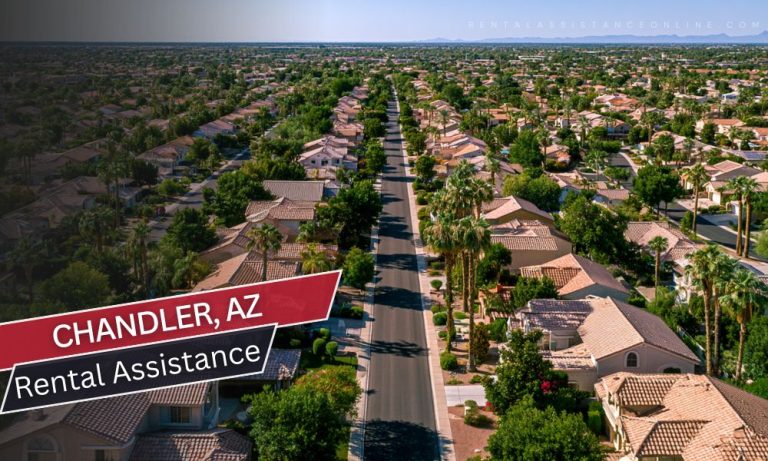
Chandler AZ Emergency Rental Assistance: Programs and How to Apply

0

Last updated: June 26, 2026

Quick Answer

The City of Chandler offers emergency grants to help residents cover rent, mortgage, and utility bills affected by job loss, reduced income, or unexpected hardship. Tenants apply through the Maricopa County pre-screening portal, landlords apply through AZCEND’s Community Action Program, and utility assistance requires a follow-up call to Chandler Utility Services at 480-782-2280. Previous recipients can reapply for additional funds. Spanish-language assistance (Programa de Asistencia de Alquiler de Emergencia) is available.

How to apply for emergency rental assistance programs in Chandler, Arizona
Emergency rental and utility assistance resources for Chandler, AZ residents

About Chandler’s Emergency Rental Assistance Program

The City of Chandler provides emergency grant assistance to families facing financial hardship — whether from job loss, reduced income, or unexpected expenses that have made it difficult to keep up with rent, mortgage, or utility payments. Unlike loans, these are grants that do not need to be repaid. Importantly, households that have previously received assistance can still reapply for additional funds if they continue to face qualifying hardship.

Chandler’s program operates within the broader Maricopa County Emergency Rental Assistance Program framework, which serves residents across the county. Chandler residents who are outside the city limits can also access resources through the county-level program. The Arizona DES Emergency Rental Assistance program provides a statewide layer of support as well, covering eligible households with rent, utility, and energy costs.

Program at a Glance

Utility follow-up: 480-782-2280
Landlord applications: AZCEND Community Action Program
Spanish language: Available

How to Apply for Chandler Rental and Utility Assistance

Rental Assistance (Tenants)

The first step for tenants is completing a pre-screening application through the Maricopa County client portal. This online form determines whether your household meets basic eligibility before advancing to a full application. The portal also provides detailed instructions on the complete application process. Having your income documents, lease agreement, and any eviction or late rent notices ready before you start will help move things faster.

Utility Assistance

  • Complete the same pre-screening form on the Maricopa County portal.
  • After submitting online, call the City of Chandler Utility Services at 480-782-2280 to notify them that you have applied. This step ensures your utility assistance request is properly tracked and flagged for support.

Landlord Rental Assistance

Landlords whose tenants have fallen behind on rent can apply on the tenant’s behalf through AZCEND’s Community Action Program. The process involves two required steps:

  1. Apply through AZCEND and complete a brief pre-screening to determine whether the tenant qualifies for assistance.
  2. Provide your tenant with a copy of the Landlord Application on Tenant Behalf Form. Both parties — landlord and tenant — must sign this form before the application can proceed.

Landlords who actively support their tenants through this process generally see faster approvals and full recovery of past-due rent, since funds are paid directly to the property owner upon approval. Residents in nearby East Valley cities can also find similar landlord-initiated application processes through the Mesa rental assistance program.

Behind on rent or utilities in Chandler? Find out what emergency assistance may be available to you.

Check If You Qualify

Chandler Cares Team: Additional Emergency Support

For families facing broader crisis situations — not just rent, but also job loss, rising bills, food insecurity, or emergency shelter needs — the Chandler Cares Team operates through the City of Chandler’s Neighborhood Resources Department. The team can connect residents to rental support, utility aid, and other emergency services, and serves as a navigation resource for families who aren’t sure which programs they need or where to start.

Residents who live outside Chandler city limits but within Maricopa County are still covered by the county-wide program. The Maricopa County ERAP serves unincorporated parts of the county as well as residents of cities not covered by their own municipal programs. The Chandler Salvation Army also maintains an emergency rental assistance fund that may be accessed independently of county programs.

Pro Tip

If you’ve already received Chandler ERAP assistance in the past, you are still eligible to reapply for additional funds. Don’t assume a previous award makes you ineligible — the program explicitly allows previous recipients to request continued support if they face ongoing or new financial hardship. Review alternatives to eviction alongside your application to understand all options available while funds are being processed.

Other Maricopa County Rental Assistance Resources

If you live in the broader Phoenix metro area, several city-level programs run parallel to Chandler’s that may be relevant depending on your address:

  • Phoenix ERAP — Available to City of Phoenix residents; covers rent and utilities regardless of citizenship or immigration status, with no Social Security number required.
  • Mesa ERAP — Serves Mesa residents with rent and utility assistance; MesaCAN provides in-person application support at 635 E Broadway Rd (Mon–Fri, 8am–4:30pm).
  • Maricopa County ERAP — For residents in unincorporated Maricopa County or cities without their own dedicated programs. Excludes Chandler, Gilbert, Glendale, Mesa, and Phoenix (which each have their own programs).

Frequently Asked Questions About Chandler Rental Assistance

Can I apply for Chandler ERAP if I’ve already received assistance before?

Yes. The City of Chandler’s emergency rental assistance program explicitly allows previous recipients to reapply for additional funds. If you are still experiencing financial hardship — or have encountered a new hardship — you are eligible to submit a new application through the Maricopa County portal.

Is there a Spanish-language application option?

Yes. The Chandler program offers Spanish-language assistance through the Programa de Asistencia de Alquiler de Emergencia. Spanish-speaking residents can access the same pre-screening and application process with Spanish-language support. Contact the Chandler Cares Team or the Maricopa County portal for multilingual navigation help.

What is the Landlord Application on Tenant Behalf Form?

This is a required form that authorizes a landlord to apply for ERAP funds on behalf of a qualifying tenant. Both the landlord and the tenant must sign the form before the application can be submitted through AZCEND. It can be downloaded from the City of Chandler’s website. Without this completed form, a landlord-initiated application cannot move forward.

I live outside Chandler — can I still get rental help in Maricopa County?

Yes. If you live in Maricopa County but outside Chandler, Gilbert, Glendale, Mesa, or Phoenix, the Maricopa County ERAP serves your area. If you live in one of those cities, apply through that city’s dedicated program instead — each runs its own intake process and funding pool. The Salvation Army in Chandler also provides emergency rental assistance independently of city or county programs.

What does the Chandler Cares Team do?

The Chandler Cares Team operates through the City’s Neighborhood Resources Department and serves as a holistic crisis support resource — not just for rent, but for any family facing financial hardship. They can connect you with rental assistance, utility aid, food resources, and emergency shelter. Contact them through the City of Chandler’s resident resources page to start a conversation about what support options fit your situation.

Need Help With Rent or Utilities in Chandler?

Chandler’s emergency grants may cover past-due rent, utilities, and more — and previous recipients can reapply. Connect with an advisor to find out what you qualify for today.

Start Your Application Now

Unlock Immediate Rental Assistance: Your Guide to Support in Waco/McLennan County!

0

Facing eviction or falling behind on rent? Don’t wait! **Help is available now** to secure your housing and peace of mind. Discover the fastest, most effective ways to get the support you need, right here, right now.

Your Quick Wins: Secure Your Housing Today!

  • **Call 2-1-1 immediately** for instant connection to local rental aid programs in Waco/McLennan County.
  • Contact Caritas, Salvation Army, or EOAC directly for financial assistance and case management.
  • If homeless or at risk, engage with Heart to Home (254-297-8929) for coordinated entry to housing support.
  • Gather your essential documents (ID, lease, income proof) to streamline your application process.
  • Facing eviction? Reach out to Lone Star Legal Aid (254-756-7944) for free legal assistance now.

Urgent: Funds Are Limited—Act Now!

Every minute counts. Rental assistance programs often have quickly depleting funds. Don’t miss your chance for support.

**Call for help before it’s too late!** Limited spots remaining.

**DEADLINE APPROACHING!**

Rental Assistance in Waco / McLennan County: Where to Call for Help Now

If you’re behind on rent or facing eviction in Waco or McLennan County, **you’re not alone—and help is out there**. Programs change often and funds can run out fast, so acting quickly matters. This guide walks you through who to call, what to expect, and how to protect yourself from scams while finding **rental assistance in Waco**.

💡 Quick Tip: Be Prepared!

Always have your paperwork ready (ID, lease, income proof) and ask about waitlists when you call. This speeds up the process significantly!

Start Here: Fastest Ways to Match with Rent Help

  • 2-1-1 Texas
    📞 Call: **2-1-1**
    🌐 Website: 211Texas.org
    Say your ZIP code and “rent help.” This hotline connects you to current local programs, including rent and utility assistance.
  • Heart to Home (Coordinated Entry)
    📞 254-297-8929
    💻 Heart of Texas Homeless Coalition
    If you’re homeless or at risk, this is the entry point for regional housing support and emergency housing vouchers.

Local Programs That Often Help With Rent

These agencies have helped in the past. Call ahead—funds run out quickly.

  • Caritas of Waco
    📍 300 S 15th St, Waco 📞 (254) 753-4593
    Rent and utility assistance, plus case management.
  • Salvation Army Waco
    📍 4721 W Waco Dr, Waco 📞 (254) 756-7271
    Emergency rental support and rapid rehousing.
  • EOAC (Community Action)
    📍 1800 N Valley Mills Dr, Waco 📞 (254) 753-0331
    Offers rent/utility aid and family support services.
  • Catholic Charities of Central Texas
    📍 5034 Franklin Ave, Waco 📞 (254) 978-6749
    Rent, mortgage, and utility help. Apply online.

🚫 Important Warning: Watch Out for Scams!

Texas Rent Relief and the Texas Eviction Diversion Program ended in 2023. No new applications are being accepted. If someone asks for payment or promises guaranteed results, don’t trust it. Stick with verified resources listed here.

Long-Term Help: Housing Vouchers & Public Housing

  • Waco Housing Authority & Affiliates
    📍 4400 Cobbs Dr, Waco 📞 (254) 752-0324
    🌐 wacopha.org
    Offers Section 8 Housing Choice Vouchers and public housing options. Check the site for waitlist updates.
  • Emergency Housing Voucher Program
    📞 254-297-8929 (via Heart to Home)
    Referral-only support for those fleeing violence or experiencing homelessness.

Facing Eviction? Get Legal Help Fast

  • Lone Star Legal Aid – Waco Office
    📍 900 Austin Ave, 7th Floor, Waco 📞 (254) 756-7944 or (800) 299-5596
    💻 lonestarlegal.org
    Free legal support for eviction defense and tenant rights.
  • TexasLawHelp.org
    💻 texaslawhelp.org/housing
    Easy-to-understand legal guides for renters across Texas.

📁 Pro Tip: Digital Documents!

Scan or take photos of all your essential documents (ID, lease, income proof, eviction notice) and store them in a folder on your phone for easy access when applying.

What to Bring When You Apply

  • ✅ Photo ID
  • ✅ Copy of your lease
  • ✅ Proof of income or benefits
  • ✅ Landlord rent statement or ledger
  • ✅ Eviction notice or “Notice to Vacate” (if received)
  • ✅ Proof of address and who lives with you

FAQ: Rental Assistance in Waco

  • What is rental assistance in Waco?
    Help paying rent or avoiding eviction through nonprofit and government programs.
  • Who qualifies for rent help in McLennan County?
    Usually low-income renters, those facing eviction, or people without stable housing. Documentation is often required.
  • How do I get Emergency Housing Vouchers in Waco?
    Call 254-297-8929 for Coordinated Entry (Heart to Home) to begin the referral process.
  • Can I still get help if I already got an eviction notice?
    Yes. Call Lone Star Legal Aid right away. Many rental programs may still assist, especially if you bring your notice with you.

Trusted Success: Your Neighbors Found Help!

“I was terrified about being evicted, but 2-1-1 connected me to Caritas and I got the help I needed within a week. Lifesavers!”

– Maria R., Waco Resident

“Lone Star Legal Aid guided me through my eviction court date. I couldn’t have done it without their free support.”

– David P., McLennan County

Join hundreds in Waco/McLennan County who found stability!

Conclusion: Don’t Wait—Start Calling Today

**Rental help in Waco exists—but it goes fast.** Whether you’re behind one month or already in court, the sooner you start calling, the more options you’ll have.

Key Takeaways for Immediate Action

  • ✔️ **Speed is Crucial:** Funds deplete quickly, so contact resources immediately.
  • ✔️ **Multiple Pathways:** Utilize 2-1-1, local charities, and housing authorities.
  • ✔️ **Legal Aid for Eviction:** Don’t face eviction alone; free legal help is available.
  • ✔️ **Prepare Your Documents:** Having paperwork ready expedites the application process.

Objection Crusher: Your Concerns Addressed

  • ❌ **”It’s too late for me.”** NO! Even with an eviction notice, many programs and legal aid can still assist.
  • ❌ **”I won’t qualify.”** Don’t assume! Eligibility varies. Call and ask; you might be surprised.
  • ❌ **”I don’t have all the paperwork.”** Start anyway! Many agencies can guide you on what’s missing and help you gather it.
  • ❌ **”I’ve tried before.”** Programs change! New funds or policies might make you eligible now. Call 2-1-1 for the latest.

Rent-Relief in Hidalgo County, Texas (August 2025): The Complete Guide

0

This guide breaks down the most current rent assistance options in Hidalgo County, TX , as of August 2025—including how to qualify, where to apply, and what to do if funding is tight.


Hidalgo County Assistance Programs

Emergency Solutions Grant (ESG) – Hidalgo County Urban County Program

The ESG program is the main rent-relief resource for Hidalgo County residents living outside McAllen, Mission, and Edinburg city limits. It offers emergency rent support and rapid rehousing for those at risk of eviction or homelessness.

What’s covered:

  • Up to 6 months of rent or arrears
  • Utility payments or deposits
  • Eviction prevention aid
  • Case management & referrals to stabilize housing

Hidalgo County ESG Program

Eligibility:

  • Proof of rental hardship or eviction risk
  • Residency in Hidalgo County (outside specific city limits)
  • Proof of income loss, unemployment, or hardship (like medical bills)

How to Apply:

  1. Call first: Dial (956) 787‑8127 or 1‑866‑613‑5277 for intake screening.
  2. Gather docs: Lease, eviction notice, pay stubs, IDs, SSNs, landlord W-9.
  3. Submit in person:
    2524 N. Closner Blvd, Edinburg, TX 78541 (Mon–Fri, 8 a.m.–5 p.m.)
    No online applications accepted.
  4. Follow up: Keep your phone on—caseworkers often call if info is missing.

Important: ESG-CV (COVID funds) closed in 2023, but the current ESG program remains active—apply early each month before funds run out.


Section 8 Housing Choice Vouchers & Public Housing

If you need long-term rent stability, apply through the Housing Authority of the County of Hidalgo (HACH).

The Section 8 waitlist reopened on March 19, 2025 and accepts applications monthly.

How it works: Vouchers cover a portion of your rent, lowering your out-of-pocket cost.

How to Apply:

  • Pickup forms:
    📍 1800 N. Texas Blvd, Weslaco, TX 78599
  • Submit: In person on the 3rd Wednesday each month (8 a.m.–5 p.m.).
  • Contact: (956) 968‑8669 |
    Section 8 Info

Note: Placement isn’t immediate, but it’s a vital step for affordable housing long-term.


City-Level CDBG Emergency Rental Assistance

If you live inside Edinburg, Pharr, or Donna city limits, you may qualify for separate CDBG-funded rent relief.

  • Up to 6 months of back or future rent
  • Must show COVID-related hardship and income proof
  • Funds are first-come, first-served

Edinburg residents: Call the City’s Community Development Office for office hours and open spots.


Other Local & Statewide Resources

  • Salvation Army – McAllen: Case-by-case emergency rental aid.
  • 211 Texas (HHS): Call 2-1-1 to find rental help, shelters, or utility programs.
  • Legal Aid & Eviction Diversion: Free help from Texas RioGrande Legal Aid (TRLA) and TDHCA’s Housing Stability Services (funded through July 2025).

Step-by-Step Action Plan

Step What to Do Why It’s Important
1️⃣ Gather Documents Lease, eviction notice, income proof, IDs, SSNs Missing paperwork causes delays.
2️⃣ Call ESG Intake (956) 787‑8127 for eligibility screening Reserves your place before funds run out.
3️⃣ Apply In-Person Drop off at Edinburg office No online or walk-in processing.
4️⃣ Join Section 8 Waitlist Apply every 3rd Wednesday Secures long-term rent relief options.
5️⃣ Check City CDBG Funds Call Edinburg/Pharr/Donna if in limits Extra aid may be available locally.
6️⃣ Use Legal Aid Call TRLA via 211 if eviction filed Stops eviction and buys time.


Key Contacts

  • Urban County ESG: (956) 787‑8127 / 1‑866‑613‑5277
  • Hidalgo Section 8: (956) 968‑8669
  • HCCSA General Aid: (956) 383‑6240
  • Salvation Army McAllen: Call 211
  • 211 Texas: Dial 2-1-1 or visit online

FAQs

What is the ESG program?

A federally funded rent aid program covering up to 6 months of rent, utilities, or rehousing support.

Can I apply online?

No. ESG and Section 8 require in-person applications.

Is Texas Rent Relief still open?

No. TRR closed in 2023. ESG and city CDBG programs are your main options now.

What if I have an eviction notice?

Call 211 Texas or TRLA for free legal help. Housing Stability Services can pause eviction filings.


In Summary

Still Active: ESG, CDBG city aid, Section 8 waitlist, legal aid
Closed: Texas Rent Relief (TRR), ESG-CV COVID funds
Act Fast: Funding is monthly and first-come, first-served.
Help Exists: County, city, nonprofits, and legal aid are here to prevent eviction.


Next Steps

  1. 📞 Call ESG Intake: (956‑787‑8127)
  2. 📂 Prepare your documents
  3. 🏢 Drop off your ESG application in Edinburg
  4. 📝 Apply for Section 8 next submission day
  5. 📲 Call 211 for backup resources or legal aid